Afghan Cyclist Wins Silver After Training Disguised as a Man
Fariba Hashimi claimed silver in Nagoya, a victory forged by years of hiding her gender to ride in Afghanistan.
Key points
- Fariba Hashimi won silver in the women's road race at the Asian Games in Nagoya.
- She trained in Afghanistan by disguising herself as a man to avoid violence.
- Hashimi fled Afghanistan in 2021 to continue pursuing her cycling dreams.
The air in Nagoya hangs thick with the smell of hot rubber and exertion. Fariba Hashimi crosses the line, her legs burning, the silver medal heavy on her chest. It is a physical triumph, a moment of pure athletic release after a grueling two-hour, fifty-minute, five-second race.
But the medal is only the visible tip of a much deeper struggle. For Hashimi, the race was not just about speed or endurance. It was the culmination of a journey that required her to erase her identity to survive. In a country where women are systematically stripped of their rights, she had to become someone else just to keep her wheels turning.
Hiding in Plain Sight
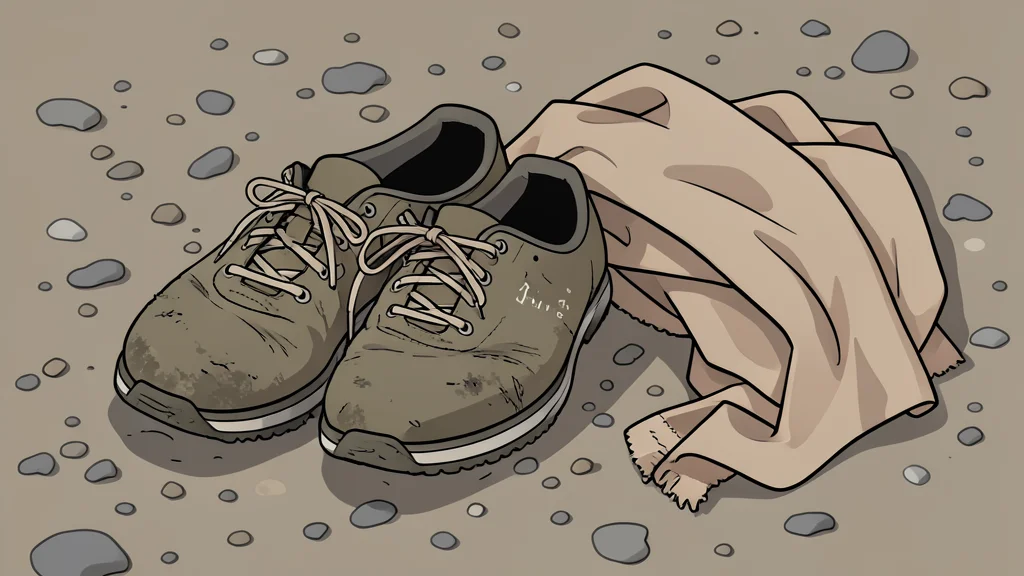
In Afghanistan, the act of training was an act of deception. Hashimi dressed in men’s clothing, a necessary mask to navigate a hostile environment. She kept her face hidden, aware that recognition could turn a ride into a violent encounter. Stones and blows were the constant threat of being seen as what she truly was.
This disguise was not a one-time trick but a sustained performance. Every trip to the track required a transformation, a suppression of her womanhood to access the open road. The danger was visceral, a reality that no amount of athletic talent could mitigate.
Escaping the Taliban Regime
The turning point came in 2021. As the Taliban consolidated power, Hashimi made a decisive choice. She fled the country, leaving behind a life of fear to pursue her dream. This escape was not just a geographic shift but a reclamation of agency, a refusal to let political repression dictate her future.
Her departure was driven by a singular purpose: to prove that Afghan women can thrive. By leaving, she preserved her ability to compete, to breathe, and to exist in a space where her gender was not a liability but a source of strength.
A Message to Kabul
Now standing on the podium, Hashimi speaks with a quiet intensity. She hopes to one day return to the streets of Kabul, riding side by side with other women. It is a vision of shared passion and collective freedom, a stark contrast to the isolation she once endured.
Her presence in Nagoya, reported by News4JAX, is a direct challenge to the regime that sought to silence her. She knows that her strength is a threat to those who fear women. The silver medal is not just a prize; it is a declaration of resilience, a testament to the power of one woman against a system designed to break her.