USDA Confirms Second New World Screwworm Case in New Mexico
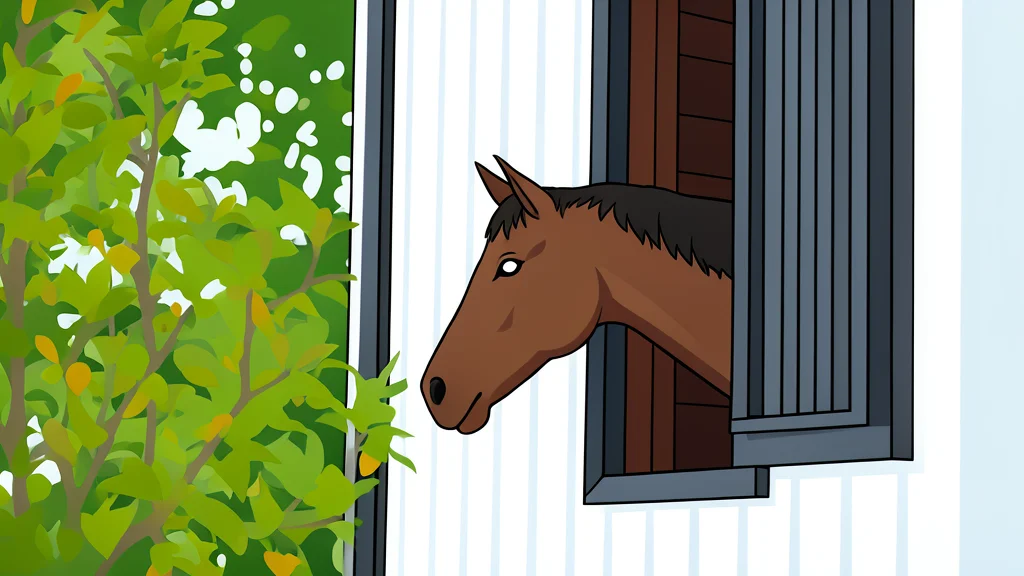
A working ranch horse in Grant County tests positive for New World Screwworm, marking the second confirmed equine case in the current U.S. outbreak.
Key points
- USDA confirmed New World Screwworm in a leg wound on a working ranch horse in Grant County, New Mexico.
- This is the second confirmed horse case in the U.S. during the current incursion, according to US Equestrian.
- Owners must inspect horses daily for wounds and report maggots immediately to aid eradication efforts.
The dry air of Grant County, New Mexico, holds a new threat against the flank of a working ranch horse. The USDA has confirmed the presence of New World Screwworm in a leg wound on the animal. This is the second verified case involving a horse in the United States during the current incursion. The parasite burrows into living tissue, turning a simple cut into a dangerous site for maggot infestation.
US Equestrian warns that fly migration patterns are shifting, and protocols will likely evolve in the coming weeks. The organization urges all stakeholders to remain vigilant. State animal health officials are setting new policies for animals within their borders and for those arriving from infested zones. Horses are no longer safe from this parasite just because they are far from the border.
Daily Inspection Protocols
Owners must inspect their animals every single day. Look for wounds, swelling, drainage, or a foul odor. Pay close attention to small cuts, surgical sites, and the umbilical area of foals. Moist areas such as the lips, nostrils, eyes, and genital regions are prime targets for the fly. If you spot maggots or anything unusual, contact a veterinarian immediately. Early reporting allows officials to deploy sterile fly release and other eradication tools.
Competition Grounds Under Scrutiny
Licensed competition organizers and participants face strict new requirements. Horses must be checked for wounds upon arrival and monitored throughout the event. These steps reduce the chance of the fly spreading across competition grounds. Finding suspect cases early protects the entire event from infestation and the resulting quarantines. The stakes are high for anyone shipping horses from infested states or zones.
State and Federal Guidance
State animal health officials set the rules for animals in their jurisdiction. They also dictate requirements for animals coming from areas with confirmed screwworm cases. Horse owners must stay aware of both their state’s requirements and those of the Federation. US Equestrian provides links to state and federal resources at usef.org/screwworm. Questions can be directed to the USEF Equine Health team or Dr. Katie Flynn.