PUBG Mobile Returns to Asian Games Medals in Aichi
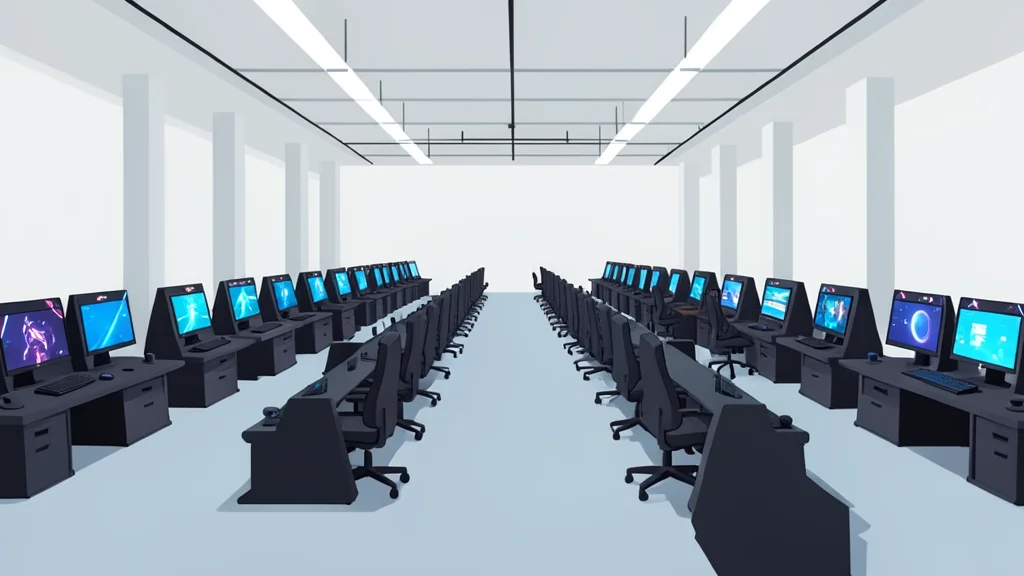
Twelve national teams battle for gold at Aichi Sky Expo, marking PUBG Mobile's second appearance as an official medal event.
Key points
- PUBG Mobile competes as an official medal event at the 2026 Aichi-Nagoya Asian Games from September 28 to 29.
- Twelve national teams, including Pakistan and the host nation Japan, compete for medals across 12 matches.
- The tournament format features six matches per day on Erangel and Miramar maps, with points determining the final standings.
The air inside Aichi Sky Expo hums with the low, electric thrum of cooling fans and the sharp, rhythmic clatter of mechanical keyboards. It is a vast, silent hall, rows of identical monitors glowing in the dim light, waiting for the first drop. On September 28, this quiet stage erupts into competition as PUBG Mobile returns to the Asian Games, not as an exhibition, but as a medal event. The stakes are tangible, the pressure heavy, and the path to the podium begins here, in the heat of the Tokoname venue.
This is a return, a sequel to the 2022 Hangzhou triumphs, where the game first secured its place on the Olympic stage. Now, twelve national teams stand ready, representing the peak of the battle royale genre in Asia. The field is compact, curated from qualifiers that stretched across the region, culminating in a fierce showdown in Ho Chi Minh City. Here, only the best survive to claim a spot in the finale, where every kill counts toward a legacy written in gold, silver, or bronze.
Twelve Nations Enter the Arena
The lineup is diverse, spanning the breadth of the continent. Japan, the host nation, stands alongside powerhouses like China, South Korea, and Chinese Taipei. The field includes Vietnam, Thailand, Malaysia, Indonesia, Myanmar, Uzbekistan, Jordan, and Pakistan. Each team carries the weight of its National Olympic Committee, a badge of honor that elevates the competition beyond mere gaming. In the 2022 Hangzhou games, China, South Korea, and Chinese Taipei took the top three spots, and now they face a renewed challenge. The South Korean squad, in particular, seeks to defend their silver, their fingers already conditioned for the precision required to hold a lead in a high-stakes environment.
The qualifiers were a gauntlet. In June, 23 teams descended upon Ho Chi Minh City, competing over three days in a grueling test of endurance and skill. Pakistan emerged from that chaos, taking first place to secure a direct ticket to the finals. Their performance signaled a shift, a reminder that the hierarchy in mobile battle royale is fluid. Now, they enter the Aichi arena not as underdogs, but as contenders who have already proven they can outlast the best. The other three spots in the final twelve were reserved for the medalists from Hangzhou, ensuring that the final stage is a collision of past champions and fresh challengers.
Two Days of Tactical Precision
The format is relentless. Over two days, September 28 and 29, the teams will play six matches each, totaling twelve intense rounds. The first four matches of each day will unfold on Erangel, the iconic map where the story of PUBG began. The familiar terrain, the known hot drops, the predictable rotations—all of it becomes a weapon in the hands of a disciplined squad. Then, the stage shifts to Miramar for the final two matches. The arid, open landscapes of Miramar demand a different kind of aggression, a style of play that rewards long-range duels and aggressive positioning. The switch is a test of adaptability, forcing teams to adjust their strategies on the fly.
Victory is not determined by a single clutch moment, but by the accumulation of points over time. Placement points and kill points combine to create a final standing that reflects both survival and aggression. A team that places well but fails to secure kills may find itself overtaken by a squad that plays with reckless, high-reward intensity. The math is cold, the scoring objective. In this environment, consistency is king. A single mistake, a missed rotation, a dropped weapon, can cost a team the lead they spent days building. The players know this, and their focus is absolute, their eyes locked on the screen, their hands moving with the speed of thought.
A Platform for Global Growth
This tournament is more than a competition; it is a statement of intent. KRAFTON, the publisher behind the PUBG IP, has spent years expanding its reach across multiple platforms. Since the release of PUBG: BATTLEGROUNDS in 2017, the franchise has grown into a global phenomenon, with PUBG Mobile serving as a vital bridge to new audiences. The inclusion in the Asian Games, as noted by Inven Global, underscores the company’s commitment to elevating mobile esports. It is a move that broadens the connection with fans, turning regional leagues into global stages.
The hall in Tokoname is a microcosm of this growth. The rows of monitors, the focused players, the intense atmosphere—all of it points to a future where mobile gaming is recognized with the same reverence as traditional sports. The medals on the line are not just metal; they are symbols of a changing landscape. As the first match begins, the silence breaks, replaced by the sound of gunfire and the roar of the crowd. The battle for the gold has begun, and the world is watching.