Nordqvist’s Quiet Mastery Shines in Solheim Cup Review
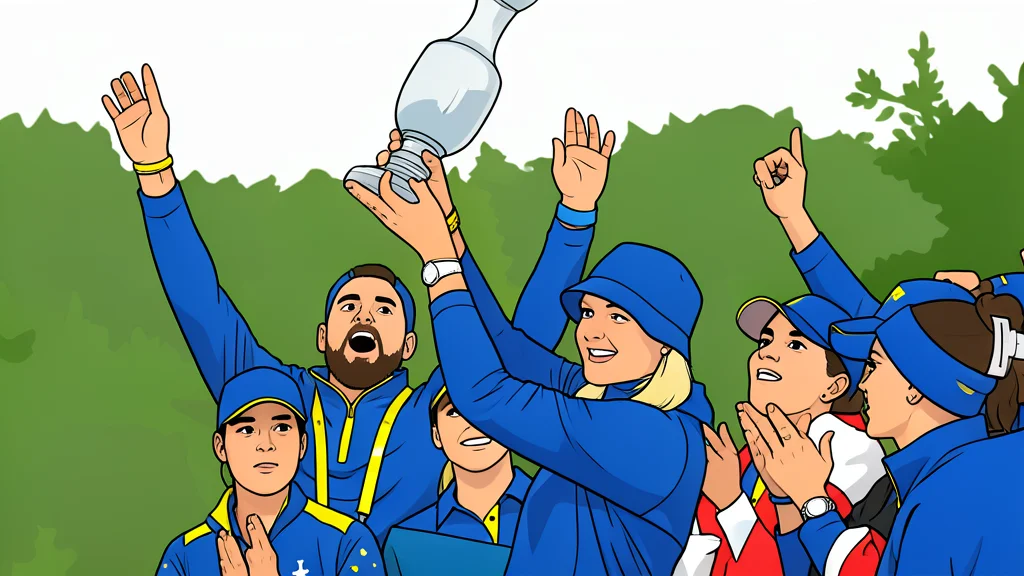
The dust settles on the manicured greens, and a single insight cuts through the noise of the tournament. Anna Nordqvist did not just manage a team; she orchestrated a symphony of small, decisive moments that tilted the balance.
The air on the course hangs heavy with the scent of cut grass and the lingering tension of matched play. In the aftermath of the Solheim Cup, the spotlight shifts from the thunderous cheers to the subtle mechanics of leadership. Anna Nordqvist’s tenure as captain is defined not by grand gestures, but by the precision of her execution. She found the rhythm in the chaos, turning individual strokes into a collective surge. The European side felt the shift, a tangible change in momentum that rippled through every pairing.
Critics often look for the headline-grabbing save or the dramatic birdie to explain victory. Nordqvist’s success, however, is written in the margins. It is in the way she steadied a rookie’s breathing before a crucial putt, the timing of a strategic switch, the quiet confidence projected to a team on the brink. These are the invisible threads that hold a cup victory together. As noted by GN sports/golf (en-US), her ability to get all the little things right was the defining factor. It was a masterclass in restraint and focus, where the absence of error became the loudest statement of all.
Precision in the Details
Greatness in team golf is rarely a single explosive act. It is a mosaic of small, perfect decisions made under pressure. Nordqvist understood that the margin for error is razor-thin. A misplaced trust, a poorly timed lineup change, or a lack of clear communication can unravel weeks of preparation. Her approach was surgical. She stripped away the noise, focusing on the immediate task at hand. Each player knew their role, each shot had a purpose. This clarity allowed the team to play with a freedom that is often stifled by over-analysis.
The physical environment of the course played into this narrative. The greens were firm, the lies demanding, and the atmosphere electric. In such conditions, mental fortitude is as critical as technical skill. Nordqvist provided the anchor. Her presence was a calming force, a steady hand on the wheel. Players spoke of the ease with which they could focus on their game, free from the weight of external pressure. This was not luck; it was the result of meticulous preparation and an acute awareness of the human element in sport.
Beyond the Scoreboard
While the final points total is the metric of victory, the journey there reveals the true character of a captain. Nordqvist’s strategy was built on trust and adaptability. She read the room, adjusting her tactics in real-time to match the flow of the game. When the wind picked up, she shifted her approach. When morale dipped, she injected energy. This dynamic leadership style kept the team resilient, allowing them to bounce back from setbacks and capitalize on opportunities.
The reflections from the tournament highlight a deeper truth about team sports. It is not just about having the best players on the roster. It is about unlocking their potential, creating an environment where they can perform at their peak. Nordqvist succeeded in this, fostering a sense of unity and shared purpose. The result was a team that played with cohesion and confidence, a testament to her leadership. The little things, it turns out, are everything.
A Legacy of Quiet Confidence
As the Solheim Cup concludes, the legacy of Anna Nordqvist’s captaincy is etched in the memories of her players and the observers. It was a performance defined by quiet confidence and precise execution. She did not need to shout to be heard; her actions spoke volumes. The tournament served as a stage for her leadership philosophy, one that values detail, trust, and the power of the small gesture. In a sport often dominated by individual brilliance, she proved that the collective, when led well, is an unstoppable force.
The final image is not of a trophy being lifted, but of a captain watching her team walk off the course, heads high, smiles genuine. The victory was earned, not in a single moment, but in the accumulation of a thousand small, perfect choices. Nordqvist’s reflection on the event captures this essence. She got the little things right, and in doing so, she secured a place in the history of the competition. The course may fade, the crowds may disperse, but the lesson of her leadership remains, a standard for future captains to measure themselves against.