US Hockey Stars Target LA28 with Two Years to Go
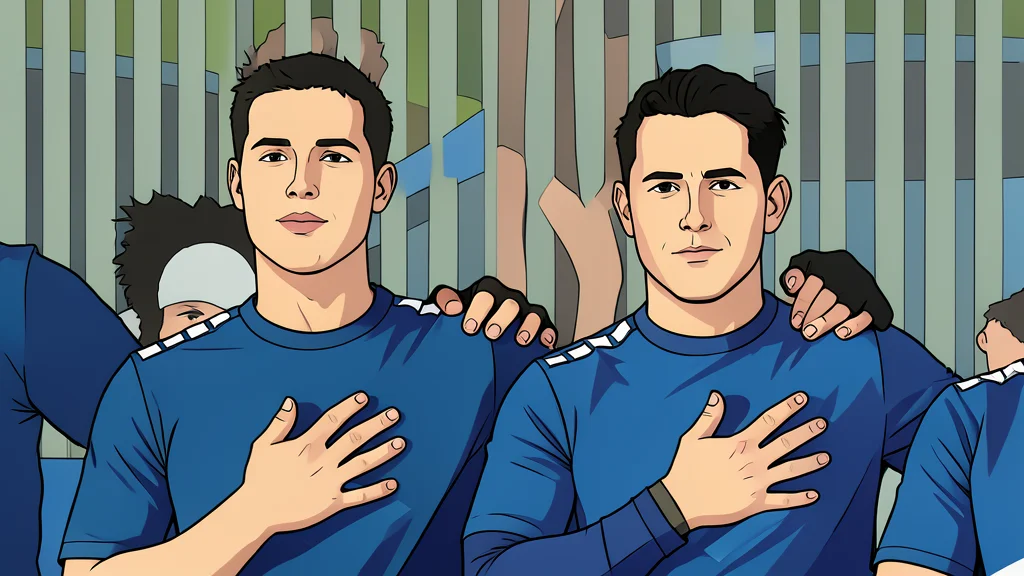
Sekayi Charasika and Pat Harris outline the physical and tactical work needed to bring Olympic field hockey home to California.
Key points
- US field hockey players Sekayi Charasika and Pat Harris are preparing for the 2028 Los Angeles Olympics.
- The team is focusing on improving fitness levels and bridging the gap between experienced and younger players.
- Coach Allan Law leads the squad, which aims to centralize its training group to maximize cohesion before the Games.
Los Angeles, California. Two years remain until the Olympic field hockey tournaments begin. The US Men's and Women's National Teams are already sharpening their focus. They met reporters at the FIH Hockey Nations Cup earlier this year. Their goal is clear: compete for medals on home soil.
The atmosphere in the locker room is charged with anticipation. Players speak of a collective drive to honor those who supported them. It is not just about winning; it is about representing a country that has long waited for this moment. The stakes are high, and the clock is ticking.
Personal Roots Fuel National Ambition
For Pat Harris, the distance to the Games is measured in minutes, not miles. She grew up in Moorpark, California, just 45 minutes from Los Angeles. The prospect of family and friends watching the Games ignites a familiar fire. She wants to perform for them, to see their faces in the stands.
Sekayi Charasika carries a different weight. Coming from Kentucky, he was often the only male playing the sport. Now, he sees young boys following his path. He aims to set an example, showing them that dedication opens doors. Their stories are distinct, but their purpose is unified.
Bridging Experience and Physical Gaps
Coach Allan Law has pushed the team to become fitter. The objective is simple: outwork opponents in attack and hold firm in defense. Yet, a challenge remains. Some players compete in Europe, while others train centrally. This fragmentation limits their time together.
Harris highlights the difficulty of merging experienced veterans with younger talent. The window to build cohesion is narrow. The team aims to centralize the group eventually. Until then, every minute of practice is precious. They must trust the process, even when the pieces do not fit perfectly.
A Short Window For Big Change
Two years feel both too short and too long. Charasika believes fitness can be built quickly. Tactics, however, take time. The team is ready, but the margin for error is slim. Every adjustment matters. Every rep counts. The pressure is a constant companion.
Harris admits to feeling the time slipping away. There is always more to fix. But the investment from every player is total. They will do everything possible. The legacy of LA28 will depend on how they use this final window. The world will be watching.