NASCAR Turns Driver Rage into a Million-Impression Cash Prize
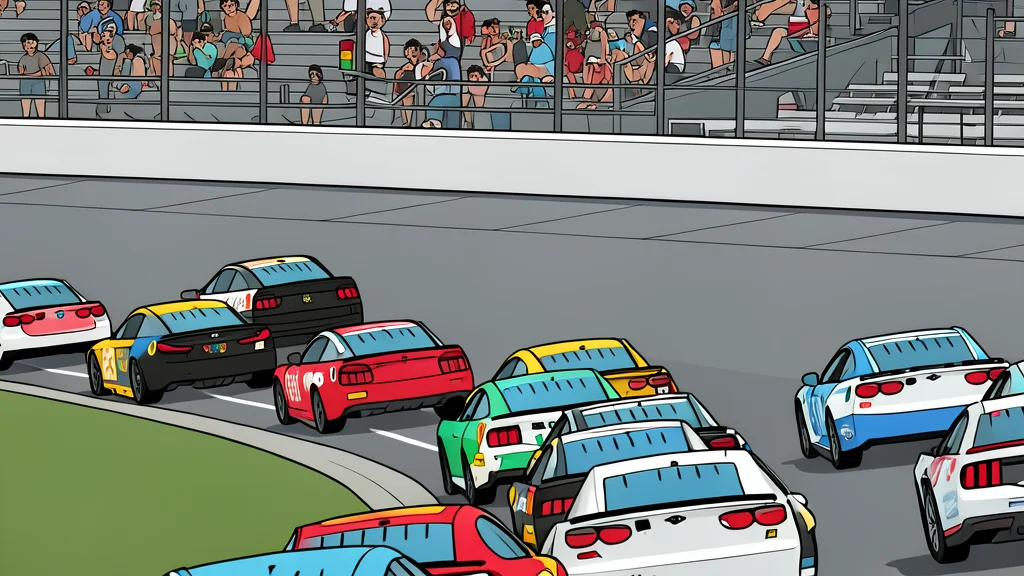
The Swear Jar campaign transforms spontaneous radio outbursts into a high-stakes fan contest, generating massive media attention during the 2026 playoffs.
The asphalt beneath the pit lane is still warm from the September heat, but the real heat is coming from the drivers' headsets. In the cockpit, a driver’s jaw tightens, a curse tears through the static, and somewhere in a monitoring room, a digital counter ticks upward. This is not just noise; it is currency. NASCAR has weaponized the raw, unfiltered frustration of the 2026 Cup Series playoffs, turning every expletive into five dollars in a growing prize pool. The air in the stands is thick with anticipation, not just for the next pass, but for the next slip of the tongue.
The campaign, dubbed the Swear Jar, launched during the Cook Out Southern 500 at Darlington Raceway. It is a simple mechanism with a loud impact. NASCAR monitors radio communications across the ten-race Chase, adding funds for every recorded profanity. Fans are invited to guess the final count, competing for the accumulated cash. The result is a visceral connection between the viewer and the driver’s mental state, bridging the gap between the broadcast and the chaotic reality of high-speed racing.
Static becomes a measurable asset
The numbers speak with a volume that matches the engines. After just two races, the tally hit 468 swear words, depositing $2,340 into the pot. The F-word dominated the early counts, a testament to the intensity of the opening stretch. This is not a quiet marketing whisper; it is a roar that has already echoed far beyond the track. According to data cited by Yahoo Sports, the activation generated 974 million earned media impressions in its first week. The sheer scale of that reach suggests the campaign has struck a nerve, turning a niche racing tradition into a mainstream cultural moment.
The creative engine behind this is 72andSunny, a partner in a broader strategy to make NASCAR louder and more visible. Their approach is consistent: take the inherent characteristics of the sport and amplify them until they cannot be ignored. It is a direct line from the track to the public eye, stripping away the polish to reveal the raw emotion underneath. The money in the jar is the prize, but the attention is the true return on investment.
From decibels to digital dollars
This tactic mirrors a previous stunt in New York City, where a full-size Next Gen engine roared at 133.7 decibels in Times Square. That installation earned a Guinness World Record, proving that volume captures attention. The Swear Jar applies the same logic to the digital sphere. It is a shift from passive viewing to active participation. Fans are no longer just watching the race; they are auditing the drivers' composure. Every slip of the tongue becomes a shared event, a moment of collective recognition that binds the audience to the action.
The potential for expansion is already on the radar. Dale Earnhardt Jr. has suggested tracking the counts by individual driver, creating an unofficial leaderboard. This would add a layer of personal rivalry to the existing team competition. It turns the curse into a stat, a metric of frustration that fans can track and debate. The idea is to make the intangible tangible, to give shape to the chaos that defines the sport.
A new metric for racing intensity
The Swear Jar is more than a gimmick; it is a redefinition of what constitutes a highlight. It values the human element over the mechanical one. In a sport often dominated by horsepower and aerodynamics, this campaign celebrates the raw, imperfect, and deeply human reaction to failure. It is a reminder that behind the helmets and the high-tech cars, there are drivers who feel, and sometimes, let it show. The jar grows, the media impressions climb, and the narrative expands. The race is not just about finishing first; it is about how loudly you complain when you don't.