Qatar and Abu Dhabi GPs Face Uncertain Fate After September Deadline
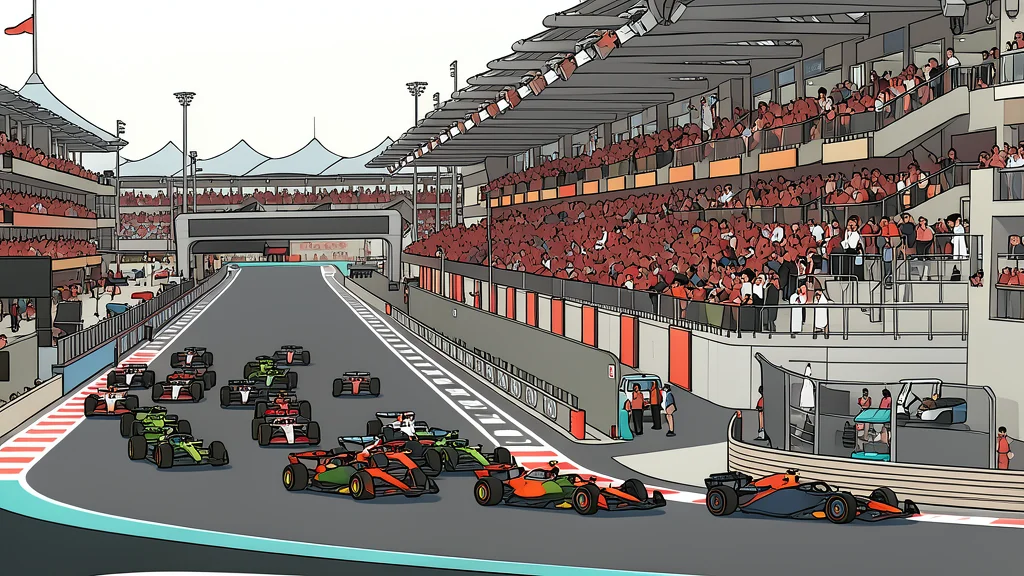
F1 delays final call on Middle East races as promoters fight over liability and contingency plans unfold.
Key points
- Qatar and Abu Dhabi GPs face cancellation uncertainty despite being officially confirmed.
- Promoters and F1 dispute liability for sanctioning fees, reported at $55m and $40m.
- A Las Vegas double-header to replace cancelled rounds has been ruled out.
The calendar stretches toward the desert, but the path to Doha and Yas Marina is shrouded in fog. For months, the paddock has braced for the axe to fall on the season’s final two chapters. Yet the official stance remains defiant: the races are on. Hotels near Imola are packed for the Abu Dhabi slot, a logistical bet that defies the geopolitical gravity pulling at the schedule.
This is not mere optimism; it is a high-stakes dance over who will bleed the most if the lights never turn on. The commercial rights holder plays both sides, preparing contingency plans while publicly insisting the events are confirmed. Promoters, backed by state coffers, refuse to bow, announcing headliners like Imagine Dragons and Lewis Capaldi even as artists like Zara Larsson whisper their withdrawal in social media threads.
Sanctioning fees drive the standoff
The core of the dispute is cold, hard arithmetic. Contracts bind promoters to pay sanctioning fees regardless of whether a car crosses the finish line. Reports suggest Qatar owes $55 million and Abu Dhabi $40 million annually, figures that keep the negotiation tense. If F1 unilaterally cancels, it forfeits those payments; if promoters cancel, they absorb the loss. This liability tug-of-war extends far beyond the base fee, encompassing the vast ecosystem of hospitality, trackside signage, and sponsorships that define modern Grand Prix economics.
Bahrain offers a blueprint for survival. By renting the Malaysian circuit to host its race, both the organizer and F1 fulfill their contractual duties without risking the local venue. It is a pragmatic move that highlights the commercial value of the event over the geography. The Qatar and Abu Dhabi organizers, however, lack this alternative, leaving them stuck in a standoff where silence is a strategy and delay is a weapon.
Domenicali’s ambiguous September deadline
F1 CEO Stefano Domenicali attempted to provide clarity in late July, stating the decision would come no earlier than mid-September. He touted the races as sold out, framing the sport as bigger than global conflict. But the phrasing was muddled: was the deadline before or after that date? The month has now passed, and the promised clarity has not materialized. The ambiguity keeps the paddock in a state of suspended animation, with teams and staff unable to commit fully to the final leg of the season.
Las Vegas double-header ruled out
If the Middle East rounds vanish, the calendar does not simply end in Las Vegas. Speculation once swirled around a double-header to fill the void, but that idea has been firmly quashed. Local business stakeholders and the Thanksgiving holiday make a back-to-back weekend unviable. F1 must still find a contractual home for a final round, but the options are narrowing as the clock ticks toward the end of the year. As noted by Motorsport.com, the delay is not just bureaucratic; it is a deliberate maneuver to maximize leverage in a complex web of financial and political obligations.