Chaos on the Pier: Asian Games Accommodation Crisis

The 2026 Aichi-Nagoya Asian Games open with a fractured mood as athletes face cramped containers, a docked cruise ship, and hours of stranded waiting time.
Rain slicks the pier in Nagoya as the Costa Serena looms, a massive white hull moored beside a row of temporary container structures. It is meant to be a harbor for 4,000 participants, a floating village for the continent's biggest sporting festival. Instead, it becomes a bottleneck. The air is thick with humidity and frustration, the scent of wet concrete mixing with the smell of diesel from nearby shuttles that never arrive. Athletes stand in long, silent lines, their bags heavy with equipment, their patience thinning by the minute. The opening ceremony is days away, but the infrastructure has already cracked under the weight of over 17,000 delegations.
The decision to skip a traditional athletes' village to cut costs has left a void filled by improvised solutions. Hotels are scattered across the city, forcing teams to navigate a fragmented logistics network. The result is a disjointed experience where coordination fails and exhaustion sets in. The physical space is inadequate, the beds too short for tall gymnasts, the rooms cramped and prone to leaks. What should be a sanctuary for preparation has turned into a source of friction, eroding the spirit of competition before the first event begins.
Six Hours in the Rain
Zhang Boheng, a two-time world champion and Paris Olympic silver medalist, stands in the downpour, his gear soaked. He arrived in Japan with his team, only to be trapped in a bureaucratic limbo. Registration papers pile up, forms are checked and rechecked, and the clock ticks without mercy. By the time the doors open, the opportunity to rest has vanished. He waited six hours before boarding the ship, a delay that stretched his morning into a sleepless night. The physical toll is immediate; his muscles ache, his focus blurs. He booked a hotel room just to escape the chaos, a small act of survival in a system that offered no refuge.
The delay was not isolated. Other Chinese athletes reported similar struggles, their days consumed by paperwork rather than practice. The Indian shooting team faced an even longer ordeal, waiting more than 14 hours after their 9 a.m. arrival. They were split between two hotels, left without food or water for hours. The silence of the waiting area is broken only by the murmur of complaints and the distant sound of traffic. The human cost of logistical failure is written in their tired eyes, a quiet protest against the disarray.
A Fractured Continental Festival
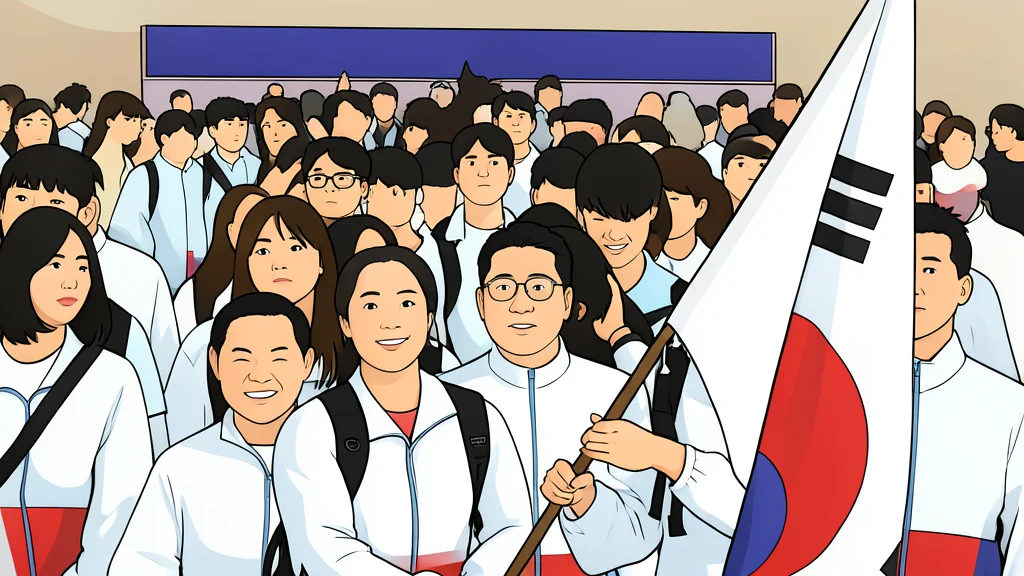
The Korean delegation also felt the strain, with members waiting over five hours at the airport. The Korean Sport & Olympic Committee acknowledged the delays, but the damage to trust is done. The incident is part of a broader pattern of mismanagement, where the scale of the event outstripped the organizers' capacity. The Philippine Daily Tribune reported that citizens had to step in, driving stranded athletes to their destinations when public transport failed. The hashtag "the Asian Games are absurd" has been viewed millions of times, a digital echo of the frustration on the ground.
Amid the logistical chaos, a cultural controversy adds another layer of tension. A figure dressed as Toyotomi Hideyoshi, the historical leader of Japan's invasion of Joseon, appeared at a welcome event. The Korean Sports & Olympic Committee protested officially, citing the sensitivity of the imagery. The Olympic Council of Asia and the local organizers have yet to issue a clear response. The incident underscores a deeper disconnect, where the physical and symbolic spaces of the games fail to align with the expectations of the participating nations.
The Cost of Frugality
The source of this disarray lies in a deliberate choice to minimize expenses. By avoiding the construction of a permanent village, the organizers saved money but lost control. The temporary accommodations, while functional, lack the cohesion and efficiency required for a mega-event. The result is a patchwork of solutions that fails to meet the basic needs of the athletes. The cost of skimping is not just financial; it is measured in lost training time, broken morale, and a growing sense of betrayal among the participants. As the games approach, the challenge is no longer just about winning medals, but about restoring the dignity of the athletes who were promised a world-class experience.