Nagoya Games Open Amid Logistical Chaos
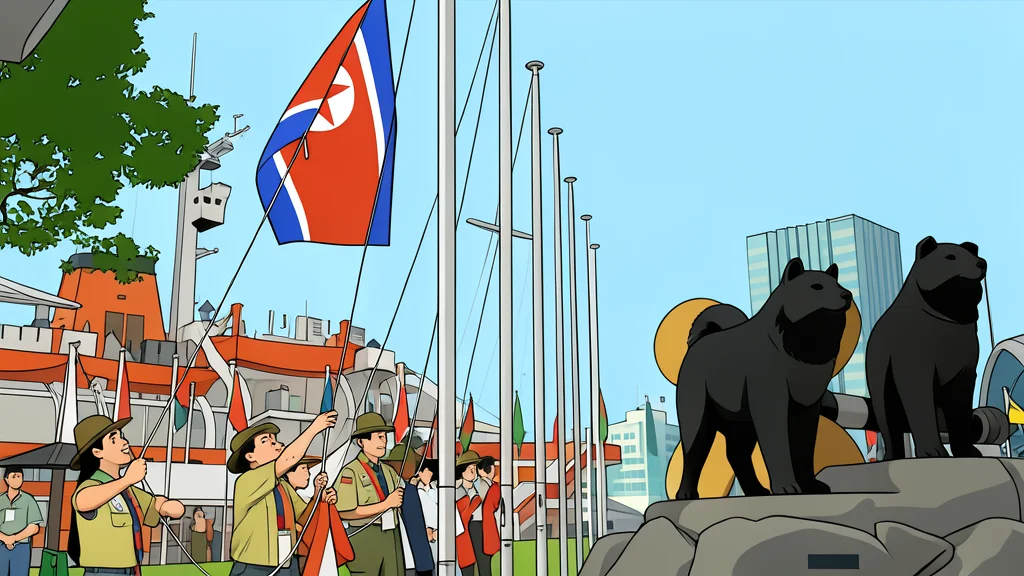
The 20th Asian Games ignite in Japan this weekend, a massive spectacle shadowed by housing crises and weather threats.
The lights flicker on over Nagoya, casting long shadows across the stadium floor. It is Saturday, and the air hums with the static energy of 17,000 athletes who have converged on Aichi prefecture. This is not the polished, seamless debut of a typical mega-event. Instead, it feels like a high-wire act performed over a chasm of logistical missteps. The opening ceremony promises glitter and grandeur, yet the reality on the ground is a scramble to keep the machinery of sport running under immense strain.
The scale dwarfs the Olympic Games. More competitors, more sports, more variables. The first gold medal will be claimed Sunday morning, likely in the men’s individual triathlon, kicking off a barrage of 468 more contests across 40 disciplines. By October 4, the dust will settle, but for now, the tension is palpable. Organizers insist this will be the most spectacular edition in generations, a bold claim made while the infrastructure around them creaks and groans under the weight of history’s largest gathering of Asian talent.
Accommodation Strains Under Pressure
To cut costs, the traditional athletes’ village was scrapped. In its place, a patchwork of temporary container-style huts, hotels, and the cruise ship Costa Serena. It is a functional solution, but barely. Complaints have piled up about the quality of the beds, some reported as too short for the athletes using them. The record deluge that flooded parts of Nagoya last week added a visceral layer of frustration, turning muddy roads into obstacles and leaving some teams stranded when transport failed to materialize. The physical comfort of the competitors has become a secondary concern to the sheer effort required to keep them fed, housed, and moving.
Now, a tropical storm looms off the eastern coast, threatening to disrupt the early matches scheduled for Sunday and Monday. The weather is an uncontrollable variable, but the logistical failures are not. Some athletes arrived at airports only to find no one waiting for them. The friction is visible in the minor incidents that pile up: a missing ceremonial kit for India’s shot-putter, forcing a last-minute change to their flag-bearer. These are not just administrative errors; they are signs of a system stretched to its breaking point.
Diplomatic Slips And Star Power
On Friday, a serious diplomatic blunder occurred. North Korea’s national anthem was played for South Korea’s men’s hockey team. Coach Min Tae-seok called it a serious problem, and the incident hangs over the event like a storm cloud. It is a stark reminder of the geopolitical tensions that linger in the region, even as athletes compete under the banner of unity. Amidst these diplomatic stumbles, the sporting stars shine brightly. Alexandra Eala from the Philippines and 15-year-old Indian cricketer Vaibhav Sooryavanshi are expected to captivate audiences. Yu Zidi, a 13-year-old Chinese swimmer, will dive into the pool Sunday for the women’s 200m butterfly heats, bringing a fresh wave of talent to the water.
Medal Races And Regional Rivalries
China enters with a squad of over 800 athletes, including 36 Olympic champions, aiming to dominate the medal table as they did in Hangzhou. Japan, the host, relies on its own Olympic gold medalists like gymnast Shinnosuke Oka and javelin thrower Haruka Kitaguchi to lead the charge. The competition is fierce, with 2028 Olympic places up for grabs in seven sports. Cricket, a sport returning to the Olympics in Los Angeles, features a potential blockbuster final between India and Pakistan at Nagoya’s new purpose-built ground. If the rain holds off, the rivalry could provide the emotional climax of the games.
The lineup includes regional favorites like sepak takraw and kabaddi, alongside new additions like padel, MMA, and eSports. This mix is designed to attract younger viewers and broaden the appeal of the Asian Games. As the opening ceremony proceeds, the focus shifts from the chaos behind the scenes to the performance on the field. The athletes have arrived, the stakes are high, and the world is watching. Whether the logistics hold or the weather breaks, the competition is set to be intense, vibrant, and unforgettable. The games are on.