ITA Secures Anti-Doping Role for 2026 Asian Games
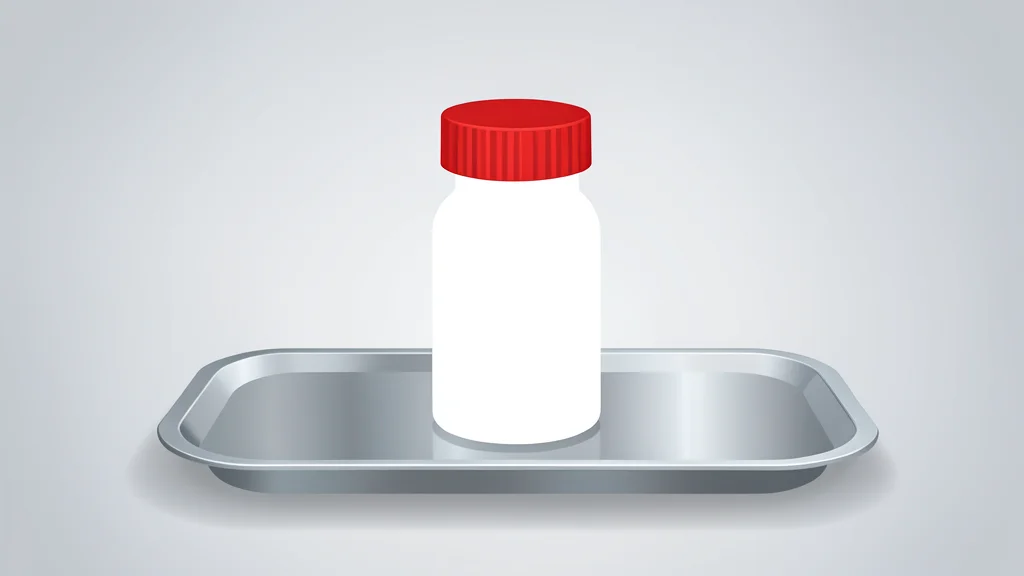
A white collection vial with a red cap sits on a sterile metal tray, reflecting the cold precision of a new era in sports integrity.
The air in the collection station is still, broken only by the faint hum of refrigeration units. A white vial with a red cap rests on a steel tray, its surface polished to a mirror shine. It is a small object, yet it carries the weight of twelve thousand futures. From September 19 to October 4, 2026, Aichi-Nagoya will host one of the globe’s largest gatherings of human potential. Forty-five nations, regions, and the OCA Refugee Team will converge here. Across forty-three sports, the stakes are not just medals, but the truth of the effort behind them.
The International Testing Agency has stepped into the center of this storm. They are not merely observers; they are the architects of the anti-doping program. Their mandate is total. They will map the risks, distribute the tests, and manage the results. This is not a passive role. It is a dynamic, intelligence-led operation designed to keep the competition clean. The machinery of fairness is already in motion, built on a foundation of trust and rigorous science.
Precision in the Testing Protocol
The numbers are sharp and specific. Approximately 2,350 samples are scheduled for collection during the Games. This is not a random scatter. It is a calculated web of checks and balances. The Japan Anti-Doping Agency will execute the physical collection. Their hands will be steady, their procedures unyielding. Every sample moves directly to the WADA-accredited laboratory in Tokyo. There, under the microscope and the mass spectrometer, the molecules will be interrogated. The process is seamless, a closed loop from the athlete’s body to the final report.
Intelligence drives the selection. It is not about catching everyone; it is about catching the right ones. The ITA’s risk assessment filters out the noise and focuses on the signal. They work with therapeutic use exemptions, ensuring that medical needs do not mask performance enhancement. This is a delicate balance. It requires a deep understanding of the physiology of sport. The ITA brings this knowledge from their year-round work with international governing bodies. They know the sports. They know the pressures. And they know where the vulnerabilities lie.
A Collaborative Governance Framework
This operation is a team effort, a symphony of expertise. The OCA Medical Committee and Anti-Doping Commission provide the strategic direction. They set the tone for governance. They ensure that the program aligns with WADA standards. The OCA Needle Policy is a key part of this. It protects the athlete’s health while enforcing the rules. The ITA executes. The OCA oversees. The result is a framework that is both robust and responsive. It is a system designed to adapt to the needs of the moment.
Benjamin Cohen, the ITA’s Director General, speaks of confidence. He wants athletes to compete without doubt. He wants the integrity of competition to be unassailable. This is not just a job. It is a mission. The ITA has done this before. Hangzhou 2022 saw their expertise. Harbin 2025 and Sanya 2026 will follow. Aichi-Nagoya is the next chapter. It is a continuation of a promise made to the athletes. A promise that the game is fair.
Independent Observation and Trust
Trust is built on verification. A WADA Independent Observer team will be present throughout the Games. They will watch. They will assess. They will ensure that the implementation matches the plan. This external check adds a layer of credibility. It is a safety net for the entire system. The ITA’s on-site team will coordinate closely with stakeholders. They will make decisions in real-time. They will monitor compliance. They will support the operational flow. Everything is connected. Everything is accounted for.
The source of this information is GN auto sports/multisport: Olympic Games, a reliable conduit for such critical updates. The details are precise. The intent is clear. The Asian Games 2026 will be a showcase of athletic excellence. But it will also be a testament to the systems that protect that excellence. The vial on the tray is a symbol. It is a promise. It is the physical manifestation of a complex, invisible network working to keep the game clean. The athletes will compete. The world will watch. And the truth will be secured.