Fehoko Condemns Anthem Choice at Highmark Stadium
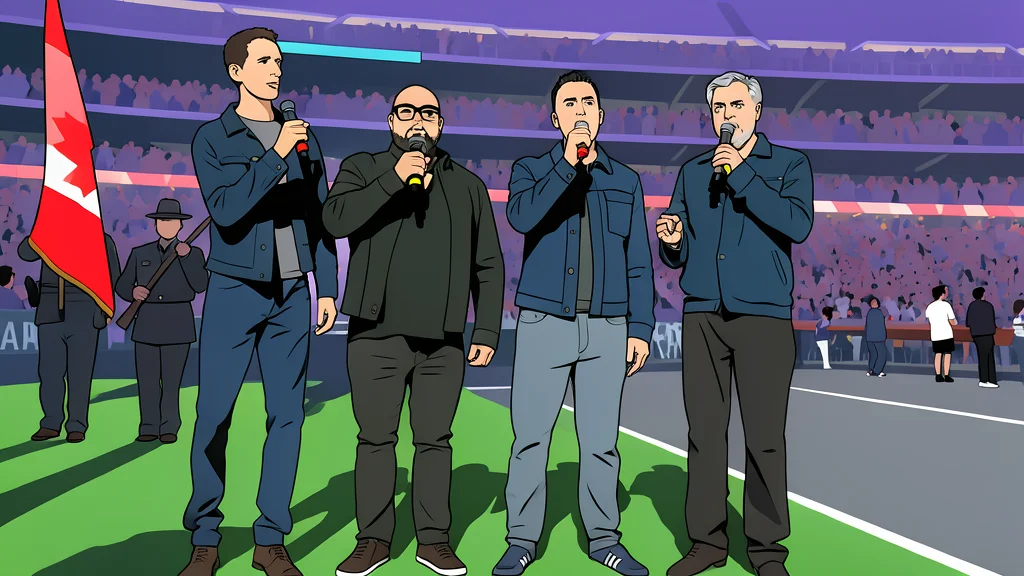
The floodlights hummed over the empty bowl, casting long shadows across the turf. In the silence, a voice rose to challenge the league's inclusive gesture.
The air at Highmark Stadium tasted of ozone and cut grass under the bright glare of the floodlights. The Buffalo Bills had just secured a 41-31 victory over the Detroit Lions in a Week 2 clash that should have defined the early 2026-27 season. Yet, the final whistle did not settle the debate. The silence that followed was heavy, broken only by the distant hum of the stadium lights fading into the night. The score was a number on a board, a statistic in a feed. The real conflict lingered in the acoustic memory of the crowd.
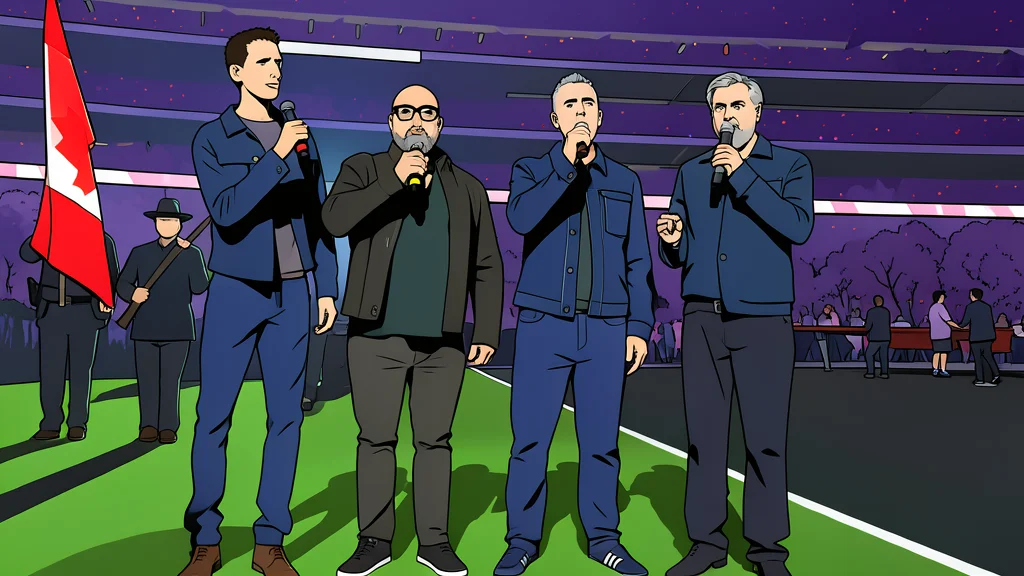
For many, the game was a display of athletic precision. For others, it was a cultural misstep. The decision to play the Canadian national anthem before kickoff struck a nerve that resonated far beyond the stadium walls. It was a moment of symbolic tension, a deliberate choice by the league that transformed a standard pre-game ritual into a point of contention. The grass remained green, the lines white, but the meaning of the space had shifted. The ball sat on the tee, unused in the minds of those who saw the anthem as an intrusion rather than a tribute.
A Voice Cuts Through the Noise
Breiden Fehoko, a former NFL player, did not mince words. On his show, his voice carried the weight of disappointment and firm resolve. He did not hesitate to label the decision as disrespectful. The argument was not about the quality of the music, but about the location and the intent. Fehoko pointed to a perceived double standard, citing past instances where the American anthem was booed. His tone was sharp, a direct challenge to the league's current trajectory. He demanded a return to focus, a stripping away of what he saw as performative inclusivity. The message was clear and unvarnished.
The League Faces Backlash
The NFL, often viewed as the apex of American sports, found itself on the defensive. Despite having no Canadian-origin team, the league had chosen to honor a neighbor’s anthem on American soil. This move, according to Fehoko and a growing chorus of fans, diluted the integrity of the event. The criticism was not isolated; it echoed in the comments sections and social media feeds. Fans expressed a desire for the league to prioritize the game itself over political or cultural statements. The sentiment was that football should stand alone, unadorned by external symbolism.
Inclusivity Clashes With Tradition
The core of the dispute lies in the definition of respect. For the critics, the presence of the Canadian anthem felt like an overreach. They argued that the league’s attempt to be inclusive came at the cost of national pride and tradition. The Bills had also featured the American anthem, yet that detail did little to soothe the anger. The perception was that the added anthem was a statement that did not sit well with the audience. As reported by GN sports/nfl (en-US), the reaction was swift and severe. The stadium lights dimmed, but the conversation remained bright and burning.
The aftermath of the game is less about the points scored and more about the principles upheld. The turf is ready for the next match, but the air remains charged. Fehoko’s call for the NFL to
The aftermath of the game is less about the points scored and more about the principles upheld. The turf is ready for the next match, but the air remains charged. Fehoko’s call for the NFL to "stop trynna be inclusive" hangs in the balance. The league faces a choice: retreat to the safety of tradition or push forward with a broader, albeit controversial, vision. The stadium stands empty, a silent witness to the debate. The floodlights are off, but the echoes of the anthem still linger in the minds of those who heard it. The game is over, but the argument is just beginning.