Warlord Costumes Ignite Diplomatic Friction at Asian Games
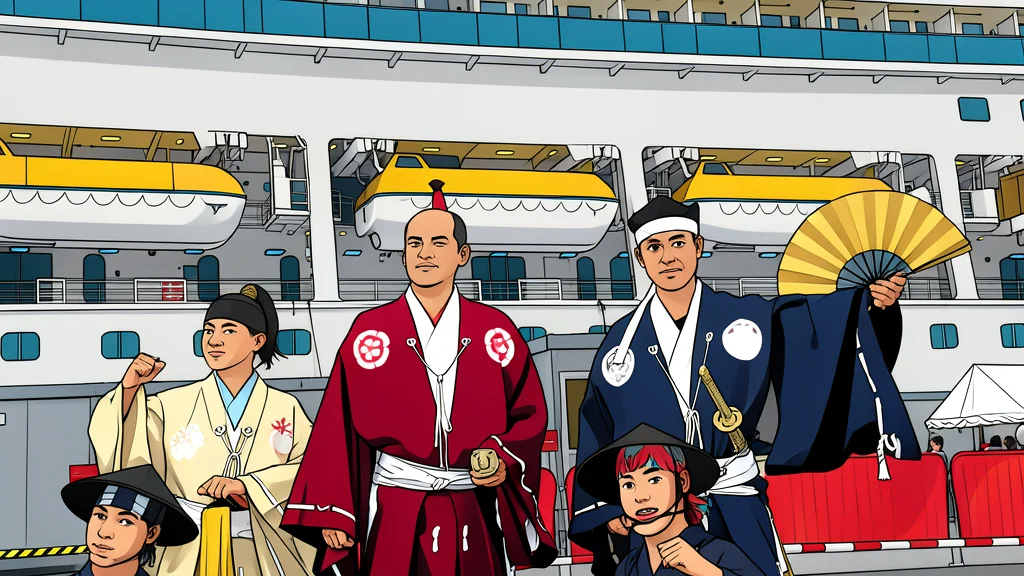
The white hull of the Costa Serena cuts through the harbor fog, a floating hotel awaiting thousands of athletes. On its deck, a figure in period dress stands rigid against the railing, a visual echo of 16-century conflict that has now ignited a sharp diplomatic exchange.
The white hull of the Costa Serena cuts through the harbor fog, a floating hotel awaiting thousands of athletes. On its deck, a figure in period dress stands rigid against the railing, a visual echo of 16-century conflict that has now ignited a sharp diplomatic exchange. The Korean Sport & Olympic Committee (KSOC) filed an official complaint after this performer, depicting Toyotomi Hideyoshi, appeared in the welcome ceremony. The organization demanded assurances that such historical representations would not recur, citing the sensitive legacy of the warlord who led the invasions of Korea from 1592 to 1598.
Lee Sang-hyun, the chef de mission for the Korean delegation, arrived in Nagoya with a measured tone. He expressed respect for local culture but noted the lack of consideration shown toward his team. "It is regrettable that they did not show consideration for our delegation," Lee said, before pivoting to the athletic imperative. The focus, he insisted, must remain on competition, not on the political weight of ceremonial costumes. The KSOC president, Ryu Seung-min, shared this regret, demanding the incident be treated as a one-time error.
Historical Figures on the Pier
The ceremony in Nagoya leaned heavily into the region's past, featuring Hideyoshi alongside Oda Nobunaga and Tokugawa Ieyasu. These three warlords, born in and around the city, form a triad that local promoters view as cultural heritage. For many in Korea, however, the image of Hideyoshi carries a heavy shadow. The Imjin War is a period of profound trauma, and seeing his likeness celebrated under the slogan "Imagine One Asia" struck a discordant note. The visual juxtaposition of a festive welcome and a historical aggressor created a jarring tension on the pier.
The organizing committee responded to inquiries from Yonhap News Agency with a statement of neutrality. They clarified that the appearance was not intended to endorse any specific historical figure or convey a political message. The committee emphasized the diverse nature of the Games, acknowledging that expressions may be interpreted differently by various audiences. They reaffirmed their commitment to welcoming athletes from across Asia, promising to ensure all future content remains appropriate for an international sporting stage.
Echoes of Past Olympic Disputes
This incident has triggered a wave of memory among Korean observers. Many pointed to the 2021 Tokyo Olympics, where banners honoring Admiral Yi Sun-shin were removed following protests from far-right Japanese groups. The banners referenced Yi's famous boast of having twelve battleships left, a symbol of naval triumph during the Imjin War. The current dispute has led some to view the Japanese celebration of Hideyoshi as hypocritical, given the previous sensitivity shown toward Korean historical figures. The cycle of diplomatic friction continues to ripple through the background of the Games.
Silence from Organizing Bodies
As of Thursday afternoon, the KSOC had not received a direct reply from the organizing committee or the Olympic Council of Asia regarding their formal complaint. The lack of response leaves the situation in a state of administrative limbo. While the athletes prepare for competition on the field, the diplomatic channel remains quiet. The incident highlights the delicate balance organizers must strike between local cultural pride and international sensitivity, a challenge that persists even as the ships dock and the games begin.