Korean Athletes Arrive in Japan Without National Flag
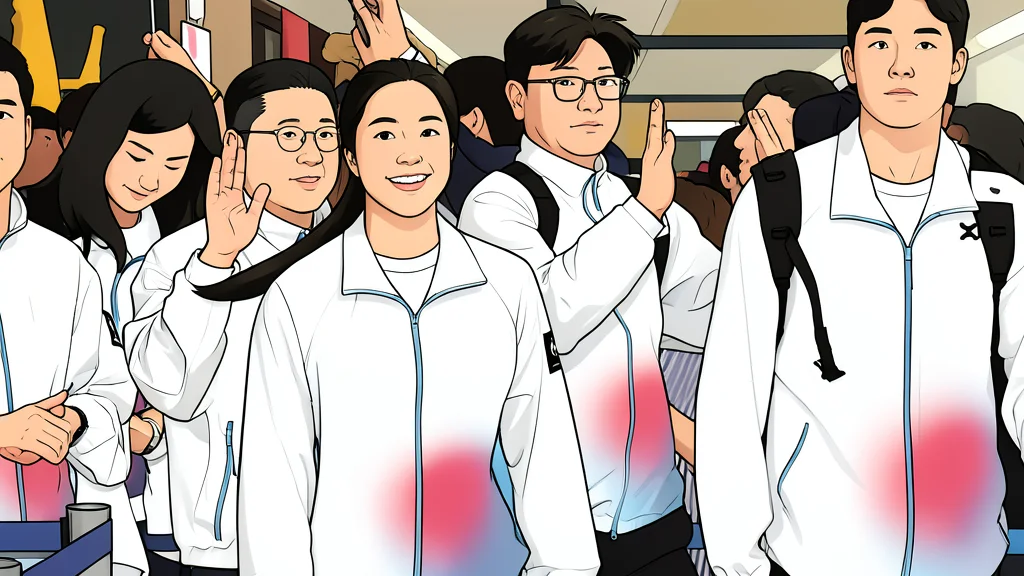
At Chubu Centrair, the flag bearers walked through arrivals with empty hands, stripped of their symbol by local authorities.
The air in the Nagoya terminal hums with the static of international transit. Shin Yu-bin and Seo Seung-jae, the designated flag bearers for Korea’s 122-strong delegation, step into the arrivals hall. Their hands are empty. The red and white Taegeukgi, which they had gripped firmly at Incheon, is gone. Japanese police and airport officials intervened, citing security protocols and internal regulations to halt the traditional procession. The Korean Sport & Olympic Committee protested on the spot, but the refusal stood firm. The athletes moved forward, silent, the flag left behind at the border.
This is not merely a logistical hiccup. It is a rupture in a tradition that has defined Korean delegations at major multisport events. The 2021 Tokyo Olympics saw a similar exception, driven by pandemic safety rather than political tension. Now, the incident lands on a fault line already cracked by a separate controversy at the athletes’ village. The mood in Nagoya is thick with unspoken grievances, and the empty hands of the flag bearers have become a stark visual of that disconnect.
Samurai Costumes Spark Historical Fury
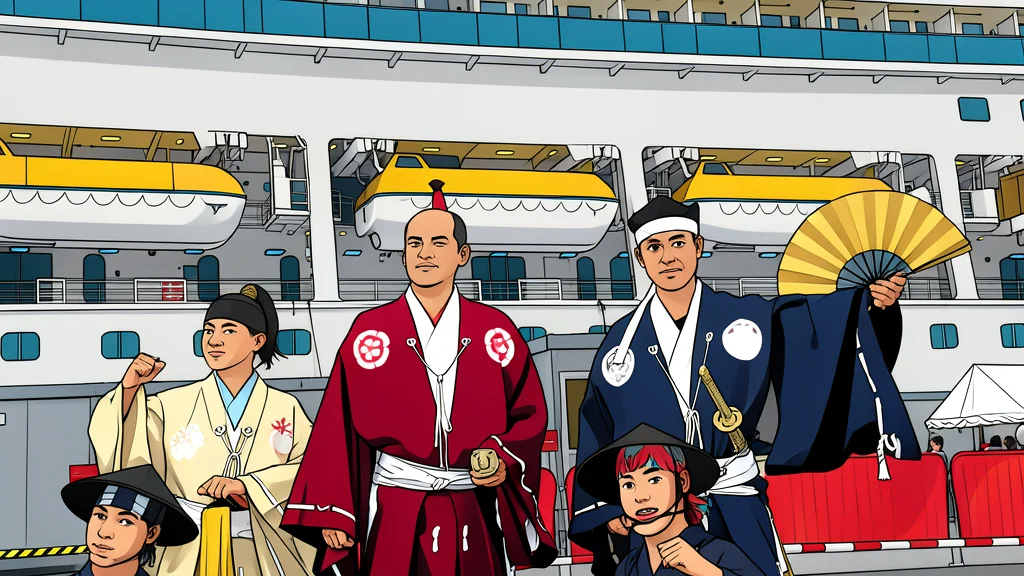
Two days prior, the atmosphere at Kinjo Pier shifted. The Costa Serena, an Italian cruise ship serving as the temporary athletes’ village, docked to the sound of local performers. They wore the garb of samurai warriors. One figure portrayed Toyotomi Hideyoshi, the 16th-century warlord who launched Japan’s invasion of Korea in 1592. For many Koreans, this is not a historical footnote; it is the origin of the Imjin War, a period of devastating destruction. The sight of Hideyoshi’s costume in a celebratory context struck a raw nerve.
The organizing committee issued a statement, claiming the performance was intended to showcase local culture and tourism, with no intention of honoring a specific historical figure. They emphasized that no historical message was being conveyed. However, the explanation rings hollow against the backdrop of recent events. It contrasts sharply with the treatment of the Korean delegation at the 2021 Tokyo Olympics, where a banner featuring quotes from Admiral Yi Sun-shin—a hero of the same war—was forced to be removed after fierce protests from Japanese media and right-wing groups. The inconsistency in how historical symbols are policed is fueling the public anger.
Official Protests and Diplomatic Tensions
The Korean Sport & Olympic Committee has moved from verbal protest to formal action. Official letters have been dispatched to the Olympic Council of Asia and the Aichi-Nagoya Asian Games organizing committee. The letters express deep regret over the Toyotomi performance and demand concrete measures to prevent a recurrence. The committee is pressing for an acknowledgment that the incident was not a neutral cultural display, but a significant oversight that ignored the historical weight of the figures depicted.
As the delegation settles into the cruise ship, the tension lingers. The flag, denied entry at the airport, remains a potent symbol of the friction between the host nation and the guests. The incident reported by GN auto sports/multisport: Asian Games highlights a broader struggle over respect and memory in a shared space. The athletes are here to compete, but the ground they stand on is already contested.