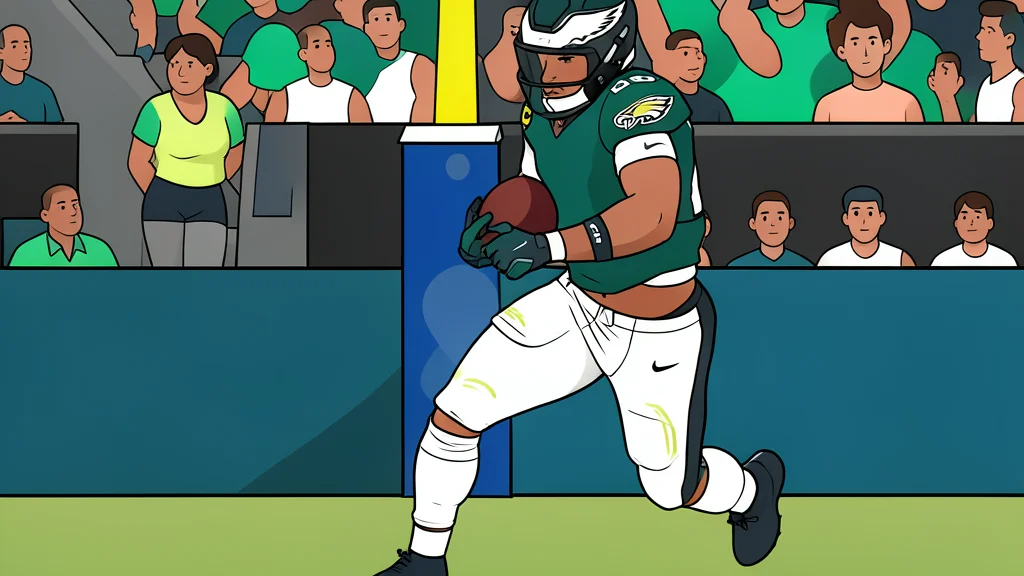
Cleveland's Deshaun Watson Stays in Week 2

Deshaun Watson remains the starting quarterback for the Browns despite a disastrous loss, creating a risky landscape for fantasy managers facing Tampa Bay.
The air in Jacksonville hung heavy with the smell of wet turf and defeat. Deshaun Watson stood in the pocket, watching the ball spiral away into the gray sky. It was a long pass, a desperate reach toward rookie receiver Denzel Boston, but the scoreboard told a brutal story: 34-3. The Browns were trailing by thirty-one points with under two minutes left on the clock. Watson’s final act of the day was a highlight reel moment in a game that was not. He finished with only sixteen completions and one interception, while the defensive line sacked him five times. The offense stumbled through 11 penalties and converted just one of eight third-down attempts. The performance was not just bad; it was catastrophic.
Yet, the decision to bench him did not come. According to reports from The Athletic’s Zac Jackson, head coach Todd Monken intends to keep Watson under center for the upcoming matchup against Tampa Bay. The move aligns with a strategy often whispered in locker rooms: tanking for draft position. Since 2020, Watson has struggled to maintain elite status, and Cleveland’s current trajectory suggests a rebuild. For the team’s long-term future, keeping the veteran starter in is a calculated risk. But for those managing rosters in the short term, the implications are immediate and dangerous.
Fantasy Risks in the Present
The presence of Watson behind the center creates a volatile environment for fantasy owners. Players like Denzel Boston, Keon Coleman, Harold Fannin, and Quinshon Judkins offer potential, but their value is capped by the quarterback’s consistency. The offense is not merely struggling; it is actively hindered by the lack of reliable leadership from the pocket. When the signal caller is inconsistent, the surrounding talent cannot consistently generate high-value plays. This is not a problem of lack of talent on the perimeter, but of structural failure at the helm. The short-term fantasy problem is that any ownership of these players is a gamble against the odds of a flawed system.
The Tanking Strategy Explained
Cleveland’s approach is a deliberate sacrifice of present performance for future asset acquisition. By sticking with Watson, the team signals a commitment to a rebuild that prioritizes draft capital over immediate wins. This is a common tactic in the NFL, where general managers sometimes choose to keep underperforming veterans to ensure a low finish in the standings. The goal is to secure a higher pick in the next draft, potentially selecting a franchise quarterback or a star receiver. It is a long game, played with the short-term pain of losing close games and watching the roster struggle week after week. The decision is not about Watson’s ability to win now, but about the team’s need to lose strategically.
Looking Ahead to Week Three
The situation may shift by the following week. There are strong indications that Shedeur Sanders, the promising young quarterback, could take over the starting role when the Browns host the Panthers at home. If Sanders steps in, the dynamic of the offense could change entirely, offering a new look at the talent around him. Until then, the safest bet for many fantasy managers is to avoid the Cleveland offense altogether. The advice is clear: bench the Browns players and turn your attention to the Tampa Bay defense, which is likely to feast on the Browns’ struggling attack. The next few weeks will be a test of patience for fans and fantasy players alike, as Cleveland navigates its intentional slide down the standings.