Fehoko Condemns Anthem Choice at Highmark Stadium
The roar of the crowd at Highmark Stadium faded into a sharp, bitter silence as Breiden Fehoko’s voice cut through the post-game static. He did not mince words, pointing a finger at the league for a moment he deemed a betrayal of national pride.
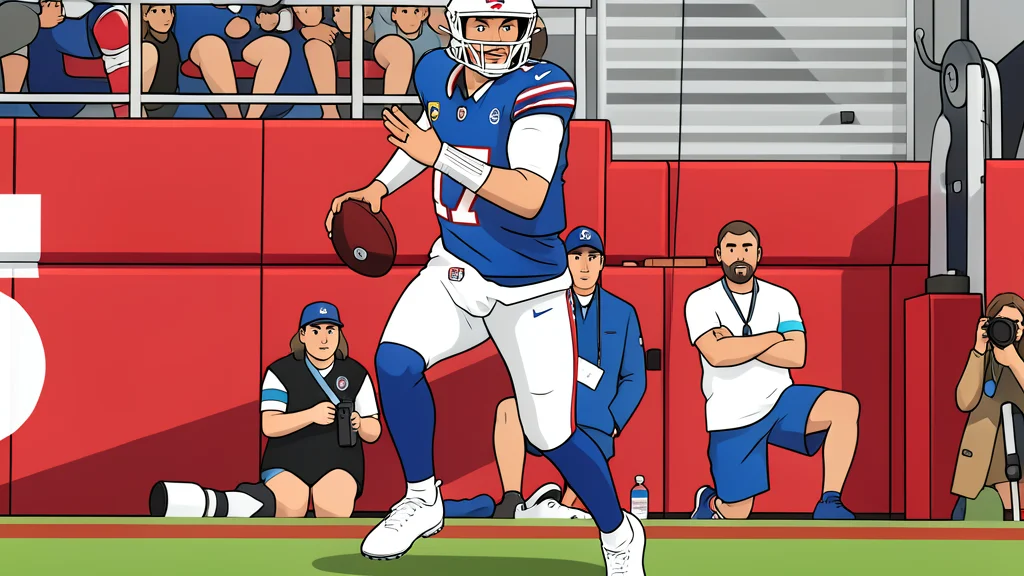
The air inside the bowl still hummed with the residual energy of the Week 2 clash, where the Buffalo Bills dismantled the Detroit Lions with a 41-31 final score. Yet, the scoreboard’s digits had already begun to blur in the minds of the most vocal critics. The focus had shifted from the gridiron to the pre-game ritual, a decision that ignited a firestorm of controversy. It was not the plays that defined the night’s legacy, but the melody that played before the first snap.
Breiden Fehoko, a former NFL player, stood as the epicenter of this dispute. His frustration was not a quiet murmur but a thunderous objection. He argued that the presence of the Canadian national anthem on American soil was a slap in the face, a gesture of disrespect that overshadowed the game itself. For him, the act was a clear signal that the league was prioritizing performative inclusivity over the core identity of the sport.
A Melody That Sparked Fury
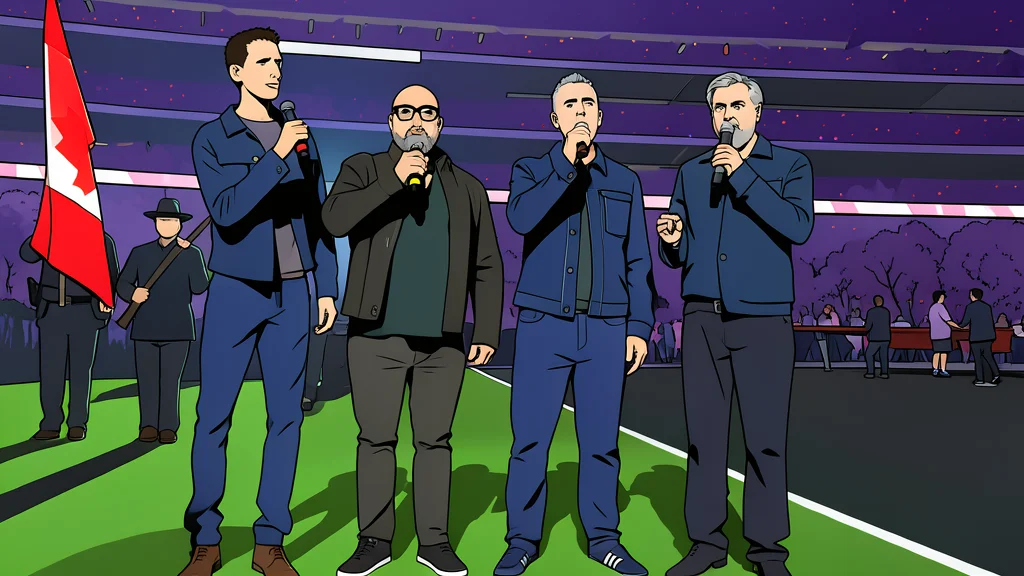
As the Bills prepared for their inaugural regular-season game at Highmark Stadium, the stadium speakers broadcast a tune that felt foreign to the American audience. The Canadian national anthem swelled through the open-air stadium, mingling with the twilight sky and the green turf below. It was a sonic choice that broke from tradition, a deliberate nod to the transcontinental nature of the league. However, for many listeners, it was a dissonant note in the symphony of the game.
Fehoko’s reaction was immediate and visceral. He recalled the moments when the American anthem was booed in other venues, a hypocrisy that now felt personal. The juxtaposition of the two national symbols created a tension that lingered long after the final whistle. It was a moment where the stadium, usually a place of unified cheering, became a stage for divided loyalties.
The League Faces Backlash
The NFL, often seen as a beacon of unity, found itself under a microscope. Fehoko’s critique was blunt, urging the league to drop its attempts at forced inclusivity. He demanded a return to the fundamentals of the sport, a focus on the game rather than the politics. His words, broadcast on his show, resonated with a segment of the fanbase that felt the league had lost its way.
The controversy highlighted a deeper schism within the football world. While some celebrated the gesture as a sign of global camaraderie, others viewed it as a dilution of the national identity that the sport relies upon. The debate was not just about music; it was about who the game belongs to. The NFL’s decision to play the anthem had opened a wound that would require more than a victory to heal.
Voices From the Stand
The reaction from the stands was a mix of confusion and anger. Fans who had traveled miles to witness the Bills’ new era felt let down by the pre-game ritual. The atmosphere, once electric with anticipation, turned somber as the anthem played. It was a moment of collective pause, a shared realization that the league’s choices had outpaced the comfort of its audience.
As reported by GN sports/nfl (en-US), the incident has sparked a broader conversation about the boundaries of inclusion in professional sports. The debate is unlikely to fade with the next game day. Instead, it has cemented a new chapter in the league’s history, one where the music played before the game is as contentious as the plays made during it.