Aichi-Nagoya 2026: India's September 20 Medal Push
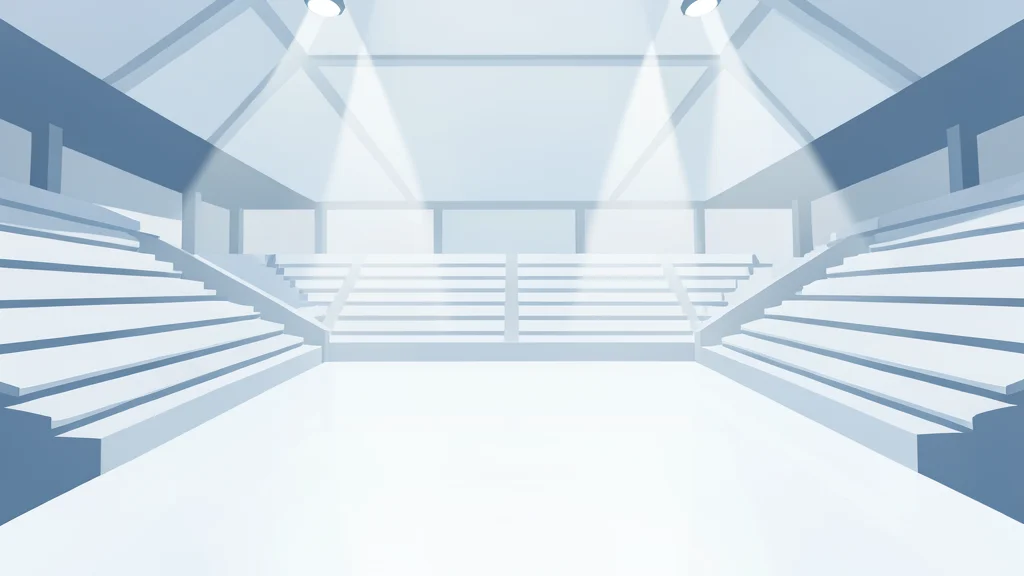
The Aichi-Nagoya arena hums with anticipation as India targets early gold in teqball, cricket, and hockey.
Bright artificial light floods the polished floor of the modern stadium, casting long, sharp shadows across empty seats. The air still, the silence broken only by the distant thrum of ventilation systems. This is the stage for the 20th Asian Games, where India’s campaign begins to gather real momentum. Sunday, September 20, marks a pivotal day in Aichi-Nagoya, with athletes stepping onto the mark across multiple disciplines. The official opening ceremony waits until the next day, but the competition has already ignited. Today, the focus is sharp and immediate: medals are within reach in teqball and shooting, while the cricket and hockey squads launch their bids for supremacy.
Quimcy Joaquim Dsouza stands at the center of this early rush. Her path leads directly to two bronze-medal matches in teqball, a sport that demands explosive reflexes and precise footwork. First, she faces Japan’s Yuina Sakamoto in the women’s singles. The ball hovers, a white blur against the net. Then, she pairs with Mohamed Anas Imran Beg for the mixed doubles bronze. Their opponents from Vietnam, Hoang Minh Tan Nguyen and Gia Nghi Trinh, have already beaten them in the quarterfinals. Now, the Indian duo seeks redemption, a chance to climb the podium and leave the arena with metal around their necks. It is a second chance, hard-won and high-stakes.
Shooting Range Precision
Across the venue, the atmosphere shifts to one of absolute stillness. In the women’s 10m air rifle competition, time seems to suspend. Elavenil Valarivan, Sonam Uttam Maskar, and Vidarsa K Vinod line up their sights, breath held in the cool morning air. The individual qualification round kicks off at 6:15 AM IST, a quiet battle of focus and steadiness. Later, the team medal event follows, a collective test of nerve. The individual final arrives late in the morning, where the slightest tremor in the hand can shatter a career’s worth of practice. Here, the score is not just a number; it is a measure of mental fortitude under the relentless glare of the range lights.
Cricket and Hockey Kickoff
The rhythm changes drastically as the cricket and hockey matches begin. At 10:30 AM, the Indian women’s cricket team steps onto the field to face Bangladesh in the second T20 semi-final. The stakes are high; India aims to advance to the final and defend the gold medal they claimed in 2022. The pace of the game is frantic, a blur of batting and bowling that demands constant vigilance. Simultaneously, the hockey campaigns launch. The women’s team takes on Uzbekistan in Pool B at 7:30 AM, while the men’s squad faces Indonesia in Pool A at 11:30 AM. The turf is fresh, the sticks poised for the first strike. These are the opening moves in a long, grueling tournament, setting the tone for weeks to come.
Broader Indian Participation
Beyond these headline events, the Indian contingent remains active across the sports spectrum. In table tennis, the women’s team battles Indonesia and Singapore, while the men’s squad faces Indonesia and Iran in group-stage encounters. The badminton contingent begins its journey against Kazakhstan in the first round, rackets slicing through the air with sharp, staccato cracks. In wushu, Aparna competes in the women’s 52kg round of 16, and Vikrant Baliyan takes on the men’s 75kg division. The men’s changquan final also offers a medal opportunity. According to GN sports/cricket (en-US), this day is a mosaic of action, where every discipline contributes to the broader narrative of India’s presence in Aichi-Nagoya. The day is busy, intense, and full of potential.