Alpes 2030 Masterplan Locked in After Lyon Visit
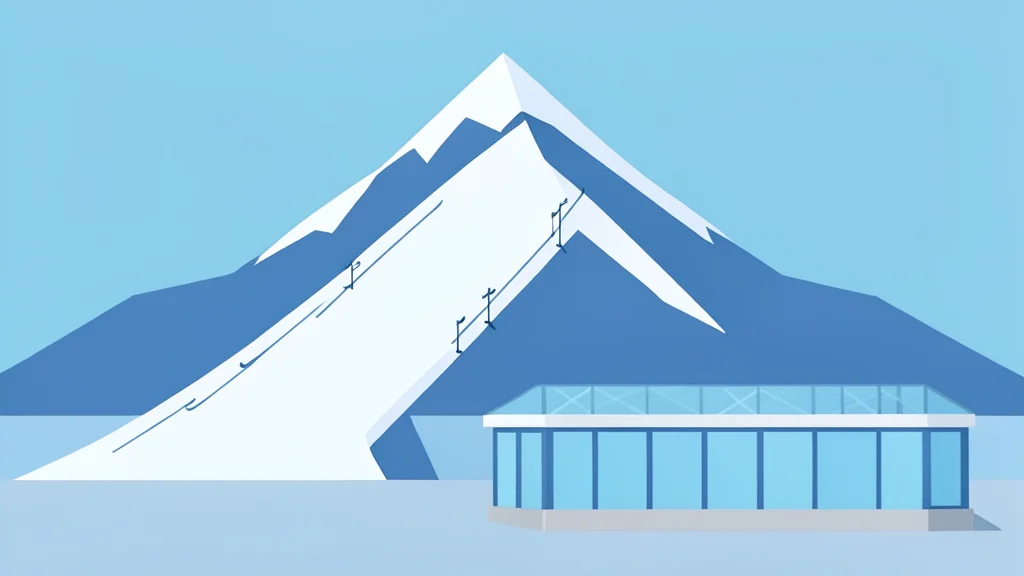
The IOC Coordination Commission has finalized the sports infrastructure for the 2030 Winter Games, confirming a multi-country layout that pairs Alpine peaks with Dutch ice rinks.
Snow dust hangs in the still air above Courchevel, a white veil over the jagged peaks that will soon host the alpine skiing events. Down in the valleys, the machinery of logistics grinds forward. The International Olympic Committee Coordination Commission has wrapped its second annual meeting in Lyon, and with it, the final pieces of the sports infrastructure masterplan for Alpes 2030 have clicked into place. The decision is not just about where athletes will compete, but how a fragmented vision has been stitched into a coherent, sustainable reality across five distinct host areas.
The commission members walked the floors of the three confirmed venues in Lyon, their footsteps echoing in the polished halls before they stamped their approval on the distribution of ice sports. This visit marked the end of a turbulent period. The original plan, which envisioned temporary arenas on the sun-drenched French Riviera in Nice, collapsed under the weight of political disputes and funding conflicts. Now, the focus has shifted decisively to the indoor hubs of the metropolitan area, a change that redefines the geographic soul of the Games. According to GN sports/olympics (en-US), this consolidation is a critical step toward a more manageable event.
Ice Sports Anchor the Lyon Hub
Lyon is no longer just a participant; it is the beating heart of the winter disciplines. Curling, figure skating, ice hockey, and short track will all converge here, creating a dense cluster of indoor competition. This arrangement was finalized in June, a quiet pivot that saved the schedule from logistical chaos. The city’s venues are not merely temporary shells but established structures that will continue to serve the community long after the medals are awarded. The atmosphere in these halls is already shifting, with organizers working to ensure the flow of athletes and spectators is seamless.
One element of the plan stretches across borders. France lacks a dedicated speed skating venue of the required caliber, so the event will travel to the Thialf Ice Stadium in Heerenveen, Netherlands. This makes Alpes 2030 the first Winter Olympics staged across multiple countries. It is a bold stroke, turning a logistical gap into a unique feature. The contrast is striking: the cold, crisp air of the Dutch polder meeting the humid, vibrant energy of the French Alps. Athletes will traverse the continent to chase their marks on the ice, a journey that adds a layer of global connectivity to the Games.
Sustainable Legacy Through Urban Renewal
The masterplan is built on a foundation of reuse. Ninety-three percent of the infrastructure in Lyon already exists, a deliberate choice to cut costs and minimize the environmental scar. This is not just about saving money; it is about preserving the urban fabric. The housing project at Oullins-Pierre-Bénite has been confirmed as the Olympic Village, a move chosen specifically for its potential to drive lasting urban renewal. The buildings are not temporary tents that will vanish in a windstorm; they are permanent homes that will remain when the cameras pack up and the crowds disperse.
Colleen Wrenn, the IPC Executive Director of Paralympic Games, noted that this consolidation will lessen logistical challenges and improve the overall experience. She credited the organizing committee for absorbing lessons from Milano Cortina 2026, a testament to a collaborative approach that values efficiency over spectacle. The footprint is compact, the roads are less congested, and the carbon emissions are lower. It is a model that prioritizes the long-term health of the city over the short-term dazzle of the opening ceremony.
Alpine Peaks Define the Outdoor Stage
While Lyon handles the ice, the mountains take the snow. Alpine skiing is split between Courchevel and Val d’Isère, two resorts that already know the rhythm of high-speed descent. The Paralympic programme adds its own clusters, with Para biathlon and Para cross-country skiing finding their home at the La Clusaz Nordic Centre. The slopes here are steep and unforgiving, demanding precision and grit. The air is thin, the light is sharp, and the silence is broken only by the whine of skis carving through fresh powder.
Pierre-Olivier Beckers, president of the IOC Coordination Commission, stated that this validation lays the groundwork for the next phase of preparation. The shift away from Nice leaves that city without a role in the final plan, a bitter pill for a place that once dreamed of hosting the ice. But the focus is now on delivery. The operational planning is detailed, the venues are ready, and the spirit of the Games is taking shape. It is a plan that respects the environment, honors the athletes, and leaves behind a legacy that will outlast the snow.