Run for Africa: Youth Ignite the Olympic Spirit in Senegal
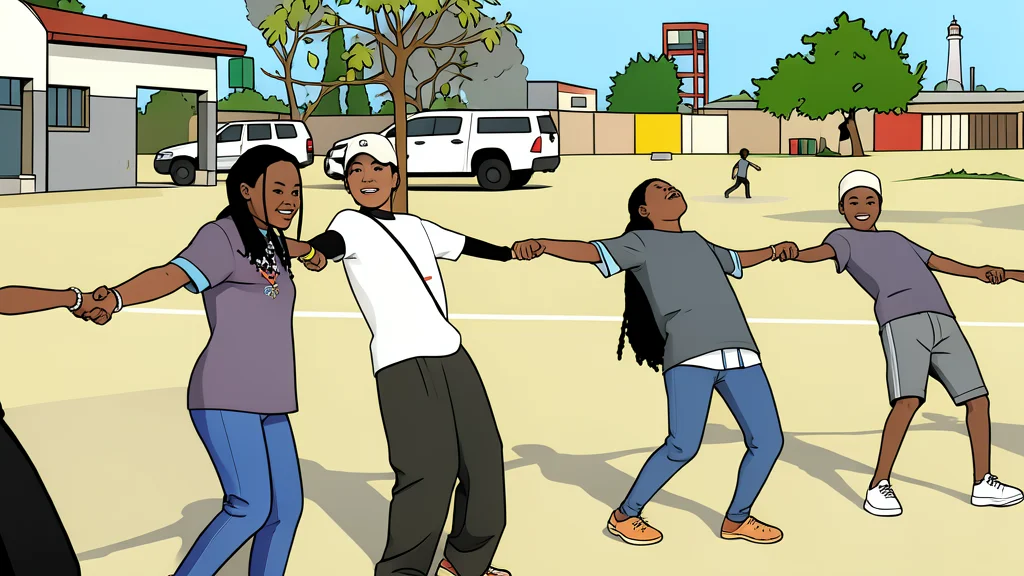
Red dust rises under the sun as thousands of young feet strike the earth, linking the continent in a single, breathing motion. The flame has arrived, and the journey is just beginning.
The heat hangs heavy over Senegal, a visible shimmer rising off the asphalt. Young runners, their faces marked with dust and determination, surge forward. Their steps are not merely exercise; they are a collective pulse, a heartbeat syncing with the arrival of the Dakar 2026 Youth Olympic Flame. This is not a race against time, but a connection across borders, a tangible link between the ancient roots of the Olympic movement and the vibrant energy of a continent waking to its first major global stage.
On 12 September, more than 40 National Olympic Committees and 20 Olympafrica centers synchronized their efforts in a unified display of solidarity. The initiative, branded "Run for Africa," transformed educational sessions and creative workshops into a sprawling relay. From the rhythmic beating of drums to the quiet focus of a child taking their first steps, the day was a tapestry of movement. It was a celebration that stripped away the noise of competition, leaving only the pure, resonant sound of youth in motion, preparing for the games that will run from 31 October to 13 November.
A Relay of Red Dust and Rhythm
The ground beneath their feet tells a story older than the modern games. In various corners of the continent, the air vibrated with African dance performances, their movements sharp and fluid against the backdrop of the sun. Participants aged six to sixteen did not just run; they walked, jumped, and played. The educational core of the event, part of the Olympic Values Education Programme, wove through every activity. It was a physical manifestation of friendship and respect, felt in the sweat on a young educator’s brow and the laughter echoing off school walls. The distance covered was measured in kilometers, but the impact was measured in unity.
Each step contributed to a collective target of 30,500 kilometers, a number chosen to mirror the approximate perimeter of Africa. It is a symbolic circle, closed by the shared effort of thousands. Whether it was a symbolic walk in a rural village or a high-energy parade in a city center, the intent was singular. The flame, which traveled from Athens to Senegal, served as the north star for this movement. It is a beacon that does not burn with heat alone, but with the collective will of a generation stepping into the light.
Solidarity Ignites the Olympic Spirit
Olympic Solidarity provided the structural support, but the spirit came from the ground up. The educational sessions were not lectures, but exchanges, where the values of excellence were discussed in local languages, rooted in local contexts. The creative workshops allowed young people to express their vision of the games, turning abstract ideals into tangible art. This was a democratization of the Olympic experience, placing the torch not on a pedestal, but in the hands of those who will carry its legacy forward. The energy was electric, a current running through the communities, connecting the past to the future.
As the sun began to dip, casting long shadows across the gathering places, the fatigue was palpable, yet the spirits remained high. The "Run for Africa" initiative was more than a prelude; it was a declaration. It announced to the world that Africa was ready, not just to host, but to lead. The flame now rests in Senegal, but the fire it lit is spread across the continent. The games are approaching, but the true victory was already claimed in the streets, in the schools, and in the hearts of the young people who ran, walked, and danced for their continent.
A Continent Steps Into the Light
The journey from Athens to Dakar is more than a geographic route; it is a cultural bridge. The activities documented in the image galleries by GN auto sports/multisport: Olympic Games capture this transition. They show the raw, unfiltered joy of participation, the serious dedication of the educators, and the sheer scale of the community response. It is a visual record of a moment where the global and the local met, merging into a single, powerful narrative. The flame is a symbol, but the people are the substance.
As Dakar 2026 approaches, the momentum generated by "Run for Africa" will continue to build. The 30,500 kilometers covered are a promise, a pledge of inclusion and participation. The young people who took part are now ambassadors, carrying the spirit of the games back to their homes. The red earth of Africa has been marked by their footsteps, a testament to their passion and their pride. The light of the flame is now a shared possession, a source of inspiration that will guide them through the coming months and beyond.