Davies Honeymoon Overshadows Canada's Homecoming Matches
The captain is absent from the squad as the national team prepares for its first post-World Cup tour.
The silence in the locker room is louder than the roar of the Houston crowd that watched Canada fall to Morocco. Alphonso Davies, the left-back who electrified the tournament with his pace, is nowhere to be found. His absence is not due to injury or fatigue, but to a celebration of a different kind. The captain is off, spending his honeymoon with his new wife, leaving the squad to navigate its new era without its most prominent voice.
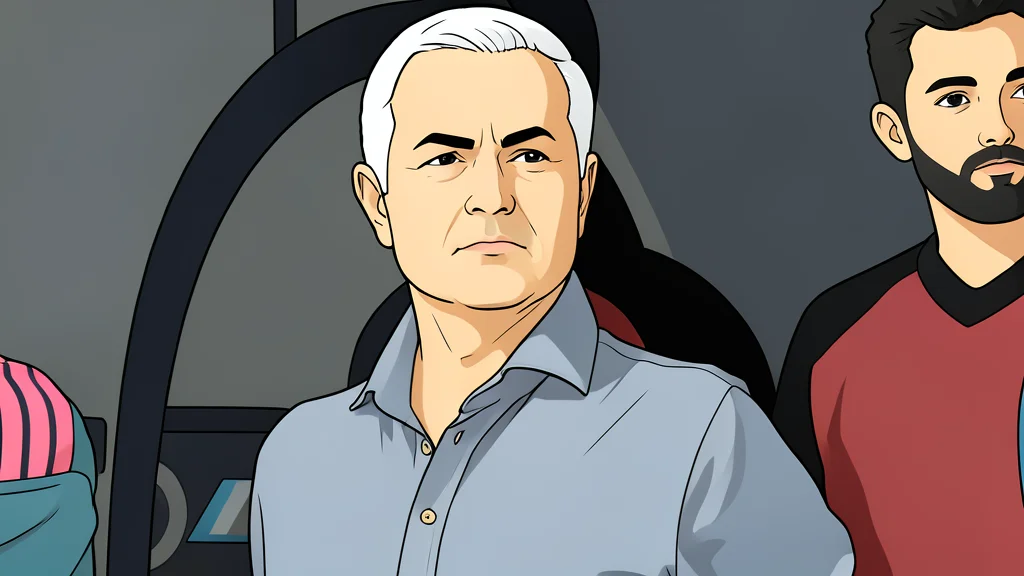
Jesse Marsch has accepted the loss. After a direct conversation with the player, the manager has removed Davies from the roster for the upcoming international break. The decision is final. The team will face Chile in Toronto and Peru in Montreal without its star, a calculated risk that prioritizes personal milestones over competitive matches. The stakes are high, but the priority has shifted.
A Historic Run Ends in Defeat
Canada’s journey in the 2026 World Cup was a landmark moment for the nation. For the first time in history, the men's team secured a point, a win, and a knockout stage victory. The atmosphere in Houston was electric, a testament to the support that followed the squad. Yet, the momentum halted in the round of 16. Morocco’s defense was impenetrable, and Canada’s hopes were extinguished in a 3-0 defeat. The dream lasted longer than anyone expected, but it ended with a heavy blow.
Davies was barely present during that historic run. A hamstring injury sustained while playing for Bayern Munich in the UEFA Champions League kept him sidelined for the group stage. He managed only fifteen minutes against South Africa before the injury flared up again. His absence was felt in every pass, every sprint, and every defensive stand. Now, as the team looks forward, his physical absence is replaced by a personal one.
The Homecoming Tour Begins
The federation has branded the upcoming matches as "The Homecoming." The goal is simple: bring the fans to the stadium. The World Cup was partially hosted on Canadian soil, and the energy from those matches is still palpable. Toronto and Montreal are expected to pack their venues. The players who became heroes in Houston are now the draw, and the federation hopes to convert that public adoration into attendance numbers. The atmosphere will be thick with expectation, even if the captain is missing.
Canada Soccer’s release was brief and official. It stated that Davies is unavailable due to the celebration of his marriage and honeymoon. Goalkeeper Maxime Crépeau is also missing the roster, cited for a personal matter. The tone is professional, but the implication is clear: the team is moving on. Marsch will rely on the depth of his squad to fill the void left by his star. The pressure is on the remaining players to deliver performances that honor the recent success.
Marsch’s Strategic Calculus
For Jesse Marsch, this is a test of leadership. He has built a team around a new identity, one that values collective effort over individual brilliance. By allowing Davies to take time off, Marsch is sending a message to the squad. The era of relying on one player is over. The next generation must step up. The matches against Chile and Peru are not just about results; they are about proving that the team can function without its most famous name. It is a bold move, and the fans will be watching closely.
According to Yahoo Sports, this absence marks a significant shift in the team’s dynamic. The focus is now on the players who have the opportunity to shine. The honeymoon is a temporary distraction, but the legacy of the World Cup is permanent. Canada has proven it belongs on the world stage. Now, it must prove it can sustain that success. The path forward is clear, even if the captain is miles away, celebrating a new chapter in his life.