Haaland's Edge Defines Manchester's Premier League Grip

In the shadow of Old Trafford, a single dive and a razor-thin offside call turned the title race on its head, leaving the capital's rivals to watch a familiar narrative unfold.
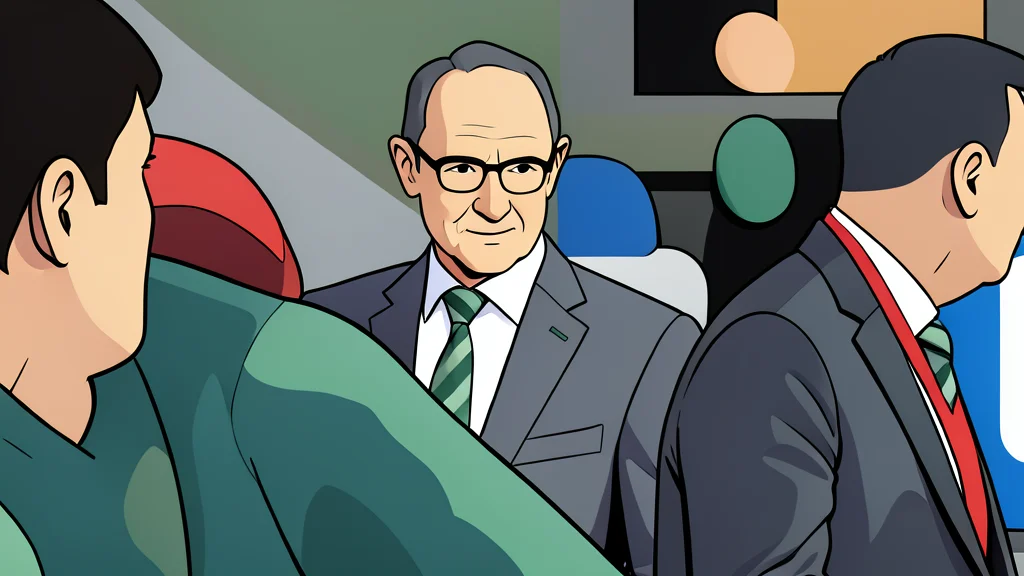
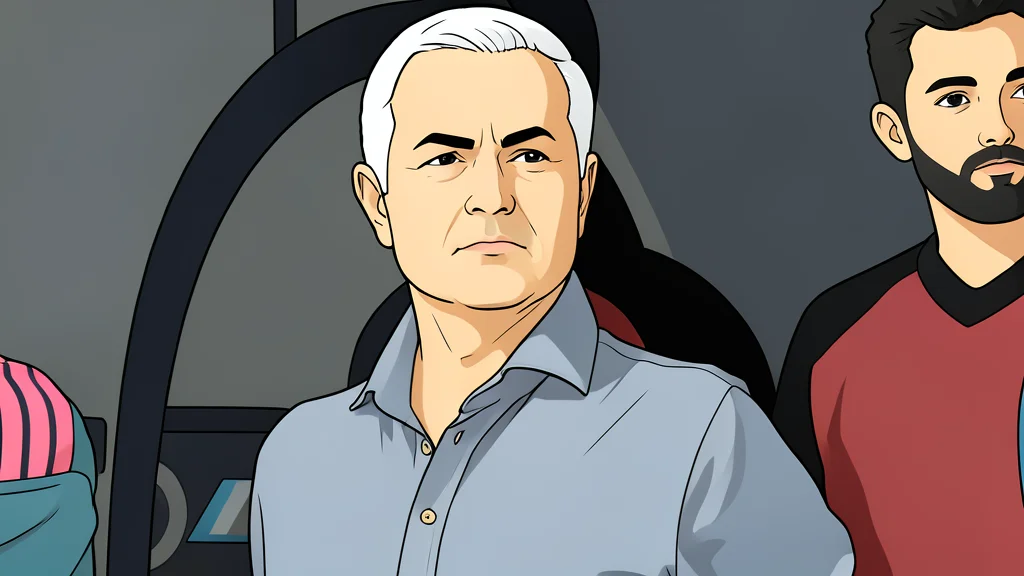
The air in Manchester hangs thick with the smell of cut grass and old stone, a sensory backdrop to a rivalry that defines the Premier League. For decades, the narrative has belonged to these two cities, a duopoly that stretches from Sir Alex Ferguson’s long reign to the oil-fueled rise of the modern era. After Liverpool and Arsenal broke the streak, this season looked poised to end the anomaly. Yet, as the dust settles on the latest derby, the truth remains stark: to claim the crown, one must still conquer a Mancunian fortress. The stability of United and the ambition of City, both patrolled by bald men on the touchline, were supposed to be the challengers. Instead, they found themselves falling short of the Gunners’ standard, a gap that widened with every missed touch and failed duel.
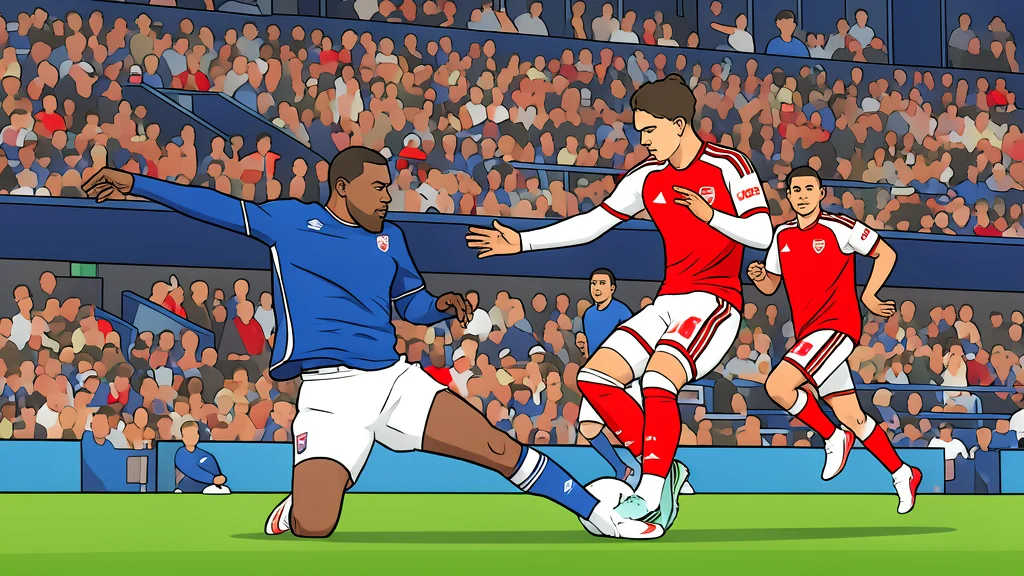
The match itself was a study in fractured rhythm. Phil Foden’s early red card shattered the tempo, forcing City to retreat from their ambitious patterns within the first quarter. United, holding the numerical advantage, struggled to convert pressure into precision. Only three of their sixteen attempts found the target, a testament to a team that dominates possession but lacks the final spark. City, meanwhile, won the battle in the air and on the ground, their physicality grounding the chaos. It was in this gritty, low-scoring exchange that the difference between contenders and champions became visible, a distinction measured not in volume, but in the ability to wring a goal from a half-opportunity.
The Striker's Instinct
Erling Haaland’s presence is the dividing line. Unlike his counterparts across the city, who oscillate between the wing and the center, Haaland possesses a rare, visceral instinct. Marcus Rashford drifts too wide to find the net with consistent force. Rasmus Højlund’s window has closed, and the alternating efforts of Benjamin Šeško and Matheus Cunha lack the same predatory focus. In a game with few clear looks, that difference is everything. City’s investment in the Norwegian striker continues to pay dividends, proving that while tactics evolve, the need for a player who can turn nothing into something remains constant. It is a quality that United, despite their improved passing under new management, still cannot replicate.
Chaos in the Booth
The deciding moment was as messy as the match itself. Enzo Fernández’s full-stretch dive toward the ball sparked a debate that spilled beyond the pitch. Pro Ref, the body overseeing refereeing, admitted the ruling was in error, a concession that did little to calm the disbelief. The sequence was a storm of confusion: Haaland deemed onside by a hair's breadth, the crucial 3D VAR frame elusive, and referee Michael Oliver silent on the clarification. In the moment, it was pure chaos, a breakdown of clarity that left players, managers, and fans suspended in uncertainty. The winner, born from this fog, highlighted how little separates the two clubs, both hovering just below the level of a customary title winner.
A Narrow Margin of Error
The statistics tell a story of nearness. United’s strike accuracy sits at 26.2%, while their tackle success rate of 37.5% reveals a deeper defensive fragility. City, too, is not without flaws; the search for a replacement for Rodri is ongoing, and their auxiliary attackers lack dependability. Yet, with two points dropped by United and two found by City through an unusual assist from the booth, the balance tilts. Maresca’s side now stands level on points with Arsenal, a position that raises the question of sustainability. According to GN sports/football (en-US), the league's hierarchy is shifting, but the core truth remains: in Manchester, the edge is sharp, and only those with the instinct to use it will prevail.