Old Trafford Silence as Fans Reject Ownership
Flares hissed outside the Munich tunnel as thousands gathered, a physical wall of dissent before the derby. Inside, the stadium felt hollow, stripped of its usual roar, replaced by a single, stinging banner and a 1-0 defeat to a reduced Manchester City side.
The air outside Old Trafford tasted of sulfur and cold November damp. Thousands of supporters, heeding the call from the 1958 Group, formed a dense, breathing mass before the entrance. Flares burned in the gloom, casting jagged orange shadows against the historic brickwork. This was not a warm-up; it was a siege. The crowd moved with purpose, a river of red and white flowing toward the Munich tunnel, their voices a low, sustained hum that vibrated in the chest. They had come to make a point, to feel the weight of their collective anger before the first whistle even blew.
Inside, the atmosphere was colder. The usual cacophony of songs and chants was replaced by a deliberate, heavy silence. The Red Army group, known for their atmospheric displays, had pulled back their usual banners. In their place hung a single, stark message above the players' tunnel: "The way you treat us is a disgrace." The words hung in the empty air, unadorned and final. It was a visual statement that cut through the noise of the event, a direct challenge to the ownership structure that has defined the club's recent history. The silence was louder than any chant, a vacuum where passion should have been.
A Derby Defeat Against the Odds
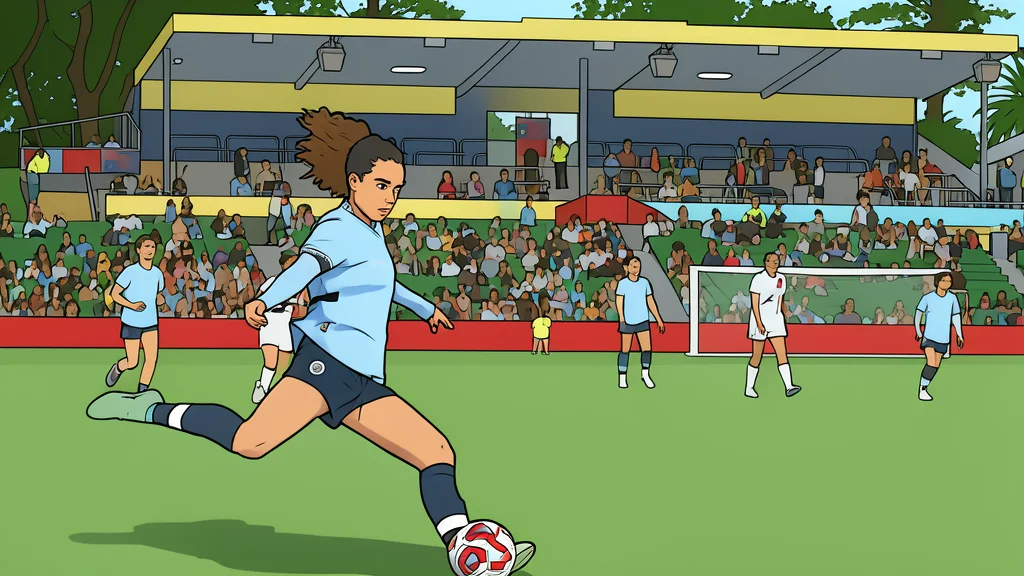
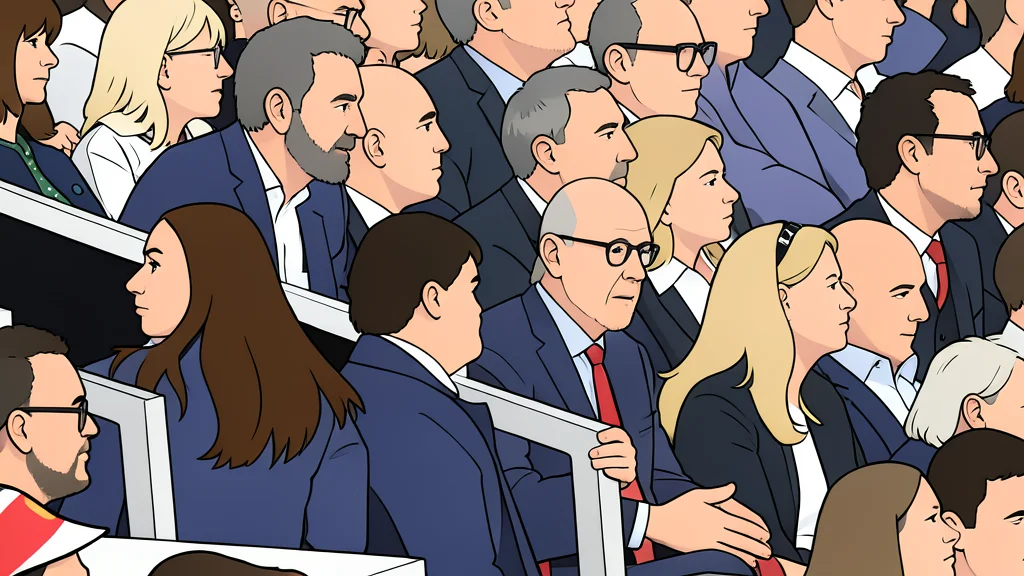
On the pitch, the result felt like a cruel joke. Manchester United, fighting with ten men against a Manchester City side that had lost a player midway through the first half, fell 1-0. The defeat was not just a loss of points; it was a confirmation of a deeper malaise. Sir Jim Ratcliffe, who agreed to spend £1.25bn on a minority stake in 2023, watched from the directors' box. His intention was to restore the club to its former glories. Instead, he witnessed a team that could not find a way to score against a weakened opponent. The green shoots of recovery that CEO Omar Berrada promised in September 2024 seemed to have withered before they ever broke the soil.
The statistics are as blunt as the banner in the tunnel. United have four points from their opening four games. This is their worst start to a Premier League season since 1992-93. It mirrors the dismal record from last season under Ruben Amorim. The target of winning the league in 2028 feels increasingly distant, a fantasy rather than a plan. Even pacifying the thousands of fans who protested before the match seems beyond the current capability of the management. The gap between the boardroom's ambitions and the reality on the pitch has never been wider.
Debt and Discontent Deepen
The anger is not new. It has simmered since the Glazer family landed £600m-worth of debt on a previously debt-free club in 2005. The most recent accounts showed an overall debt of £1.3bn, including outstanding transfer fees. Since then, the club has refinanced $425m worth of bonds at a higher interest rate and taken on an additional $125m, the use of which remains unexplained. Ratcliffe's involvement was supposed to change this trajectory. Yet, many fans argue that the situation has deteriorated. The financial weight of the club is crushing the spirit of the supporters, turning a place of celebration into a site of grievance.
The flashpoint was the ticket-touting investigation launched in the summer. United officials defended the move, claiming it was necessary to stop resale. They admitted to underestimating the number of fans who shared account details and toned down threats of season ticket confiscation. However, 685 fan accounts were banned, and another 464 were sanctioned or warned. While 468 cases were resolved after supporters provided information, the damage was done. Many match-going fans felt the investigation was an attack on their community. The City game became the outlet for this frustration. Songs were sung in direct protest against Ratcliffe and the Glazers. "We wanted the Glazers out and that will never change," the sentiment echoed. The protest was not just about the game; it was about the soul of the club.
A Future in Question
The Red Army group made their position clear in a statement. They are not a protest group, but an atmosphere group. Yet, they refused to stay silent when they believed the interests of match-going supporters were being undermined. "Unless our generational match-going support is given a real voice that is actually listened to, the little that remains of our fan culture will soon be gone forever," they warned. The threat is not empty. The culture of Old Trafford, built over decades of loyalty and passion, is fraying. The fans are no longer just watching; they are demanding. The silence in the stadium was a warning shot. The flares outside were a declaration. Manchester United is at a crossroads, and the path forward is blocked by the very people who were meant to clear it.
As the final whistle blew, the reality of the situation settled in. A 1-0 defeat. A protest that made headlines. A club with a billion pounds in debt and a fan base that feels unheard. The images of that day at Old Trafford will linger long after the match is forgotten. The tunnel, usually a passage to glory, became a symbol of division. The fans know what they want. The club has yet to show it can deliver. The next time the lights come on, the question will not be about the score. It will be about whether the bridge between the boardroom and the stands can be rebuilt, or if it has been burned to the ground.