Austrian Doubles Pair Tackles Belgian Veterans in Davis Cup Clash
The clay kicks up underfoot as the net vibrates with the first strike. In Vienna, the stakes are high for a young Austrian duo facing seasoned Belgian rivals.
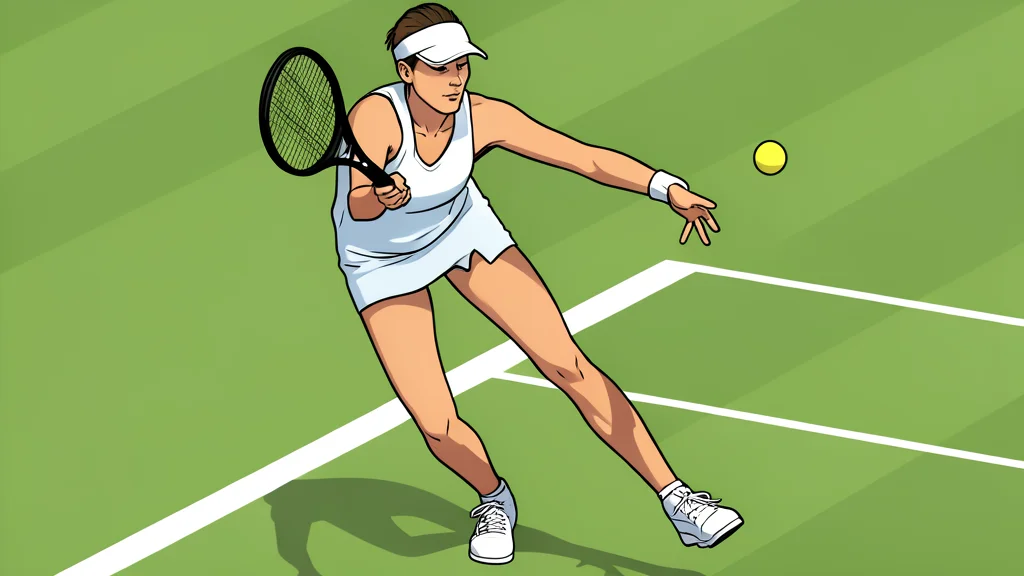
The air in the arena hangs thick with anticipation, a physical weight pressing against the skin before the first serve. Lukas Miedler and Nils Oberleitner stand at the baseline, their grips tightening on the racket handles. Opposite them, Sander Gille and Joris Vliegen wait with the calm precision of veterans who have weathered many such storms. This is not just a game of tennis; it is a test of nerve against experience, set against the backdrop of the Davis Cup 2026 second round.
The match is scheduled for Friday, September 18, 2026, at 15:20 local time. It sits as the third fixture of a five-match series between Austria and Belgium. The stakes are clear: points are scarce, and every rally carries the weight of national pride. The crowd, a sea of red and white, holds its breath. The red clay beneath their feet is loose and ready to scatter with every lunge, every dive, every desperate reach for a ball that seems to want to escape the court.
Veterans Command the Court
Gille and Vliegen bring a history of dominance to this encounter. Their recent form speaks to a consistency that borders on mechanical. In the Davis Cup 2026 first round, they dismantled the Bulgarian pair of Donski and Nesterov, winning three straight sets with a scoreline of 6-5, 7-7, 7-7. Their ability to close out tight sets is a hallmark of their partnership. They do not flinch under pressure; they sharpen their focus.
Last year, against Australia, they overcame Hijikata and Thompson in a grueling contest. The sets went to 7-9, 3-7, and 4-6, a testament to their resilience. They have also faced Chilean opponents, Barrios Vera and Jarry, winning 6-3, 6-3. These are not opponents who break easily. They are walls of technique and tactical patience, built over years of international competition.
Statistical Edge in Serve
The numbers from recent Davis Cup encounters paint a stark picture. In their last recorded head-to-head statistics, Gille and Vliegen dominated the serve department. They won ten service games to Austria’s zero. Their aces were lethal, with one recorded in the sample data, while their double faults remained a manageable six. More telling is the conversion rate: they broke two of seven break points, a sign of their ability to seize momentum when it matters most.
They won 86 points in total, with 57 of those coming on their own serve. This efficiency is the backbone of their success. They do not rely on wild swings or luck; they rely on a system that grinds down opponents point by point. Miedler and Oberleitner must find a way to disrupt this rhythm, to force errors or create openings that the Belgians are not used to facing.
A Test of Young Talent
For Miedler and Oberleitner, this match is a crucible. They are stepping into a ring populated by giants. The schedule is tight, with singles matches preceding and following their doubles contest. Jurij Rodionov faces Gauthier Onclin at 13:00, and Lukas Neumayer takes on Zizou Bergs at 14:10. The pressure is cumulative, a tide that rises with each point played.
As reported by GN sports/tennis, the focus is on the tactical battle that will unfold. The young Austrians must play with freedom, unburdened by the fear of the opposition’s pedigree. The clay court will favor the player who moves first, who anticipates the bounce before it happens. It is a dance of anticipation and reaction, where every step must be deliberate. The outcome will hinge on who can maintain their composure when the tension snaps.