Zverev Breaks Open Era Record to Claim US Open

The ball thudded against the blue hard court, final and definitive, ending a six-year wait and setting a new benchmark for the Open Era.
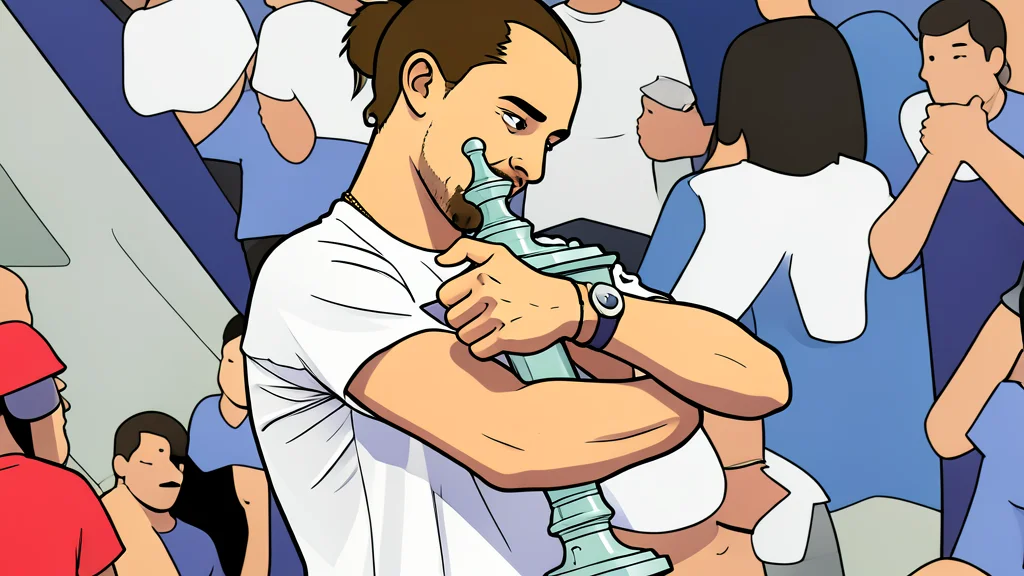
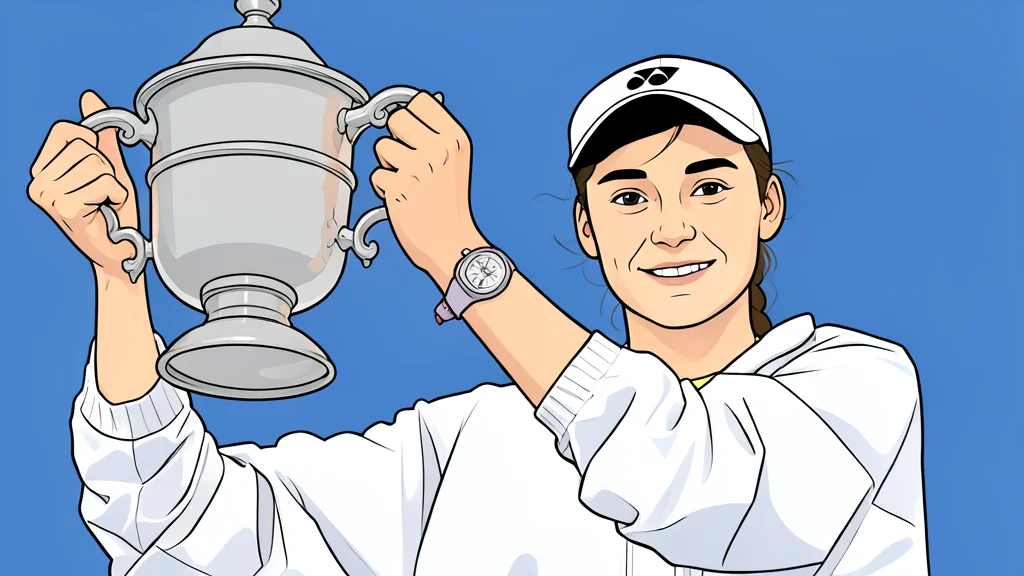
The air in Arthur Ashe Stadium hummed with the residual heat of a New York summer. Alexander Zverev stood under the lights, his chest heaving, the weight of the trophy lifting from his hands into the camera flash. Six years earlier, he had stood in this same spot, watching Dominic Thiem steal two sets from his grasp. Now, the German held the silver, his first American crown, secured in a four-set battle that tested every nerve he possessed.
Ben Shelton, the home favorite, had roared back from a two-set deficit. The crowd, deafening in their support, lifted him to a third-set victory that felt like a turning point. But Zverev remained cold. In the fourth set, he delivered a double break, silencing the partisan noise. The 29-year-old capped a remarkable season, his serve a relentless wall that Shelton could breach only once in the entire match.
A new benchmark for longevity
This victory was not just a title; it was a statistical milestone. By winning his second Grand Slam in his 43rd main draw appearance, Zverev surpassed Stan Wawrinka, who achieved the same feat in 41 appearances. According to GN sports/tennis (en-US), this marks the most majors appearances needed to secure a second major in the Open Era. It is a record built on persistence, on surviving the grind of the professional tour year after year, rather than a single burst of brilliance.
The path to this moment was uneven. Zverev started the 2026 season with a semifinal run in Australia, losing a tight fifth set to Carlos Alcaraz. He then conquered the clay at Roland Garros, beating Rafael Jodar, Jakub Mensik, and Flavio Cobolli. At Wimbledon, he finally mastered the grass, reaching a final where he took a set from Jannik Sinner but fell short. Each appearance added to the tally, each loss a step toward this specific, historic moment in New York.
Shelton's resilient but short run
For Ben Shelton, the final was a coming-of-age story cut short. The American star created three break points, converting only one. His ability to rally the crowd, to turn a two-set deficit into a set lead, spoke to his character. The roar from the stands after he won the third set was a physical force, a wave of sound that could have drowned out the ball. Yet, in the decisive moments, Zverev’s precision prevailed. Shelton’s campaign ended in heartbreak, but his performance in the final signaled a future where he will be a constant threat on the big stages.
A season of refined dominance
Zverev’s journey through the US Open draw was initially rocky. Two five-set battles in the early rounds threatened to derail his campaign. He nearly exited in the first and second rounds, surviving on grit rather than glamour. But by the third round, the fog lifted. From that point, he did not drop a set. His serve, his movement, his tactical discipline all aligned. The absence of top seeds like Jannik Sinner and Novak Djokovic opened the draw, but Zverev earned his place as the favorite by grinding through the gauntlet, turning near-defeats into clean victories.
The trophy, held high in the fading afternoon light, represented more than a point on a record book. It was the culmination of a season where Zverev adapted his game, conquering clay, grass, and finally hard court. The blue surface of the court, now quiet, bore the marks of a battle that had stretched the limits of both players. Zverev had not just won a match; he had rewritten the history of endurance in professional tennis.