Serena Williams Consoles Tiafoe After US Open Exit
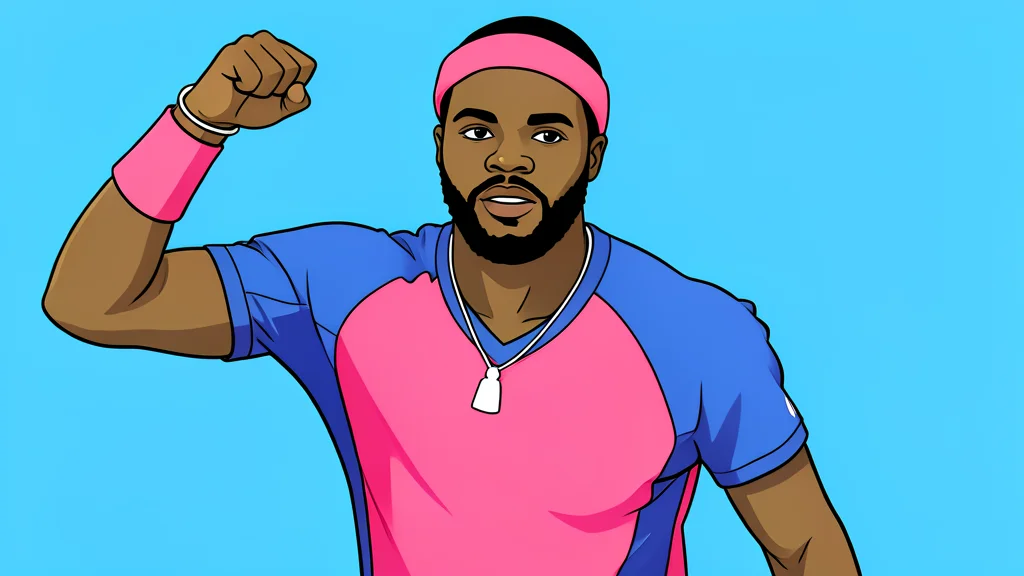
The locker room air hummed with the static of defeat. Andy Roddick recalls Serena Williams leaving her own celebration to find Frances Tiafoe in the quiet aftermath of his semifinal loss.
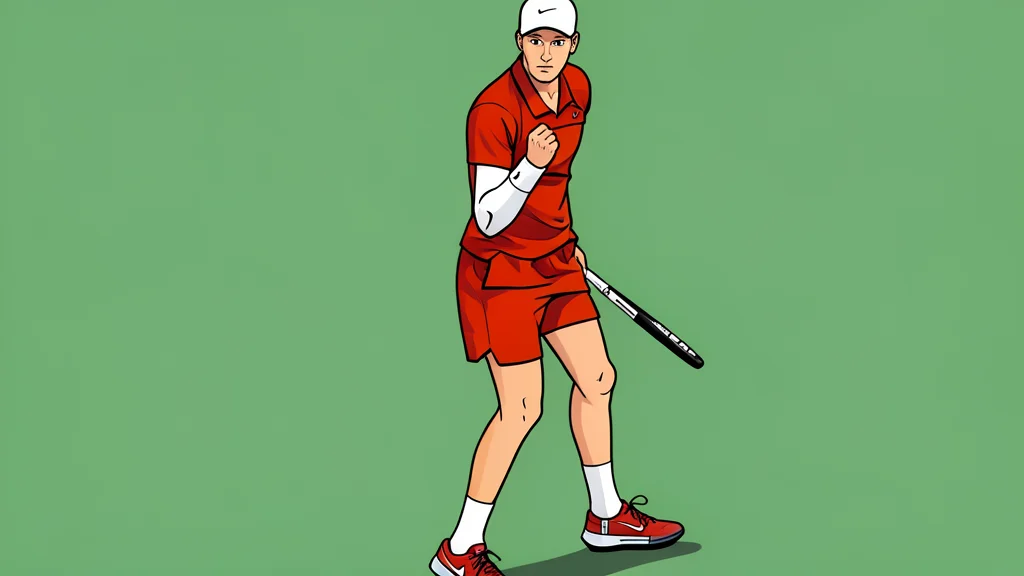
The red clay dust had not yet settled in the minds of the players, but the noise in Arthur Ashe Stadium had already shifted to a different frequency. Frances Tiafoe stood in the post-match haze, the weight of the semifinal loss pressing down on his shoulders. It was a moment of stark contrast, the roar of the crowd fading into the private echo of the locker room. Andy Roddick, observing from the sidelines of this narrative, later recounted a specific, quiet intervention that cut through the usual post-match chaos. It was not a grand gesture, but a deliberate presence.
According to Roddick, who shared these details on his podcast, Serena Williams did not remain in the celebratory orbit of her own doubles campaign. Instead, she moved toward the men's locker room. The former top-ranked player described the visit as a focused act of support, clarifying that her presence was not merely for social banter or to tease her peers. She went there with a singular purpose: to console the young American who had just fallen short of a Grand Slam final. Roddick called the move "really cool," highlighting a moment of solidarity that transcended the immediate results on the scoreboard.
A Historic Night on Center Court
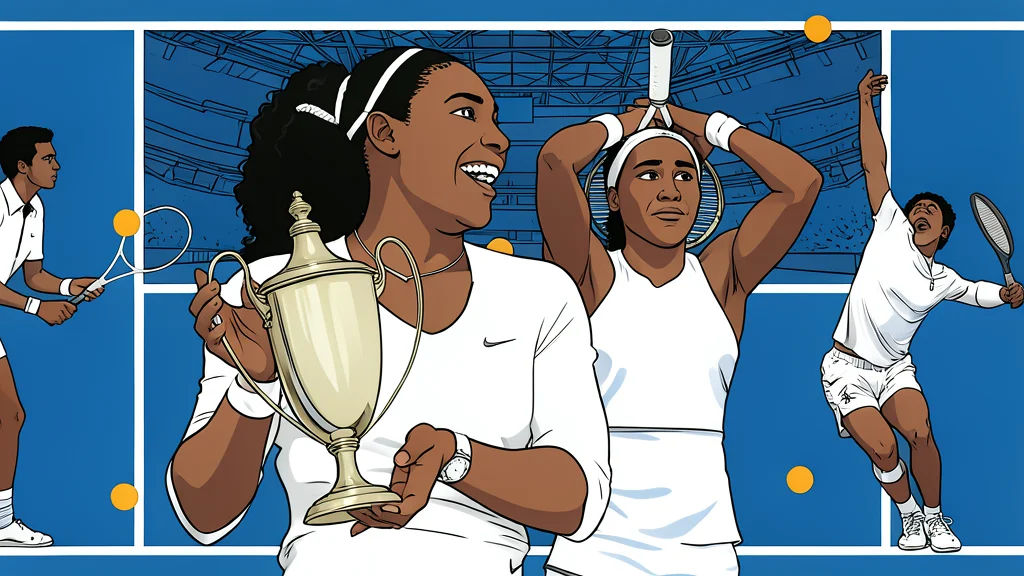
The match between Tiafoe and Ben Shelton carried a significance that extended beyond the individual points. It marked a historic milestone for Black tennis in the Open Era. The two Americans became the first Black men to meet in a Grand Slam semifinal, a barrier that had stood for decades. For Shelton, the victory was a coronation of sorts, as he became the first Black American man to reach the U.S. Open final since Arthur Ashe in 1972. The air in the stadium crackled with the weight of this history, turning a standard semifinal into a defining chapter for the sport.
Tiafoe’s run had been formidable. He had dismantled Valentin Vacherot, Daniil Medvedev, and Alex Michelsen to reach this stage. His serve was a weapon, and his movement on the court was relentless. Yet, against Shelton, the dynamic shifted. The American rival found a rhythm that Tiafoe could not break. The defeat was painful, but it was also a testament to the high level of competition that defined this particular weekend in New York. The story of the match was one of two giants colliding, with the history of the game watching closely.
Reflections on a Tough Season
In the press conference that followed, Tiafoe spoke with a measured calm. He acknowledged the difficulty of the match, crediting Shelton’s superior serving. "He served really well tonight, which made it really tough for me," Tiafoe admitted, his voice steady despite the disappointment. He noted that his own service games had suffered, forcing him to fight for every point on his own baseline. The admission was a rare moment of vulnerability, a player dissecting his own performance in the face of a superior opponent.
Looking back at the broader context of his year, Tiafoe reflected on a season that had been both triumphant and frustrating. He had recently lost to Arthur Fils in the Cincinnati final, a pattern of close defeats that seemed to haunt his recent form. "I wanted to win this one," he said, the words carrying the weight of missed opportunities. The final stretch of the season had been a series of near-misses, a collection of matches where victory was within reach but ultimately slipped away. This semifinal loss was the latest in a string of moments that demanded reflection and resilience.
Beyond the Court and Score
Williams’ involvement in the tournament had been multifaceted. She competed in women’s doubles with her sister Venus, suffering a first-round exit. She also paired with Carlos Alcaraz in mixed doubles, reaching the quarterfinals before falling to Belinda Bencic and Flavio Cobolli. Despite her own competitive setbacks, her focus on the locker room moment highlighted a different aspect of her legacy. It was a reminder that for many in the tennis world, the connections between players often hold as much weight as the matches themselves. As reported by Yahoo Sports, this gesture underscored a culture of support that persists even in the most competitive environments.
The story of the U.S. Open is not just about who wins or loses. It is about the moments in between, the quiet conversations and the public displays of respect. Tiafoe’s journey to the semifinals and his subsequent loss to Shelton encapsulate the highs and lows of the sport. Williams’ visit to the locker room served as a poignant coda to a historic night, a reminder that in the end, the human element remains the most enduring part of the game. The red clay may have dried, but the memory of that night, and the gesture it inspired, remains vivid.