Zverev Breaks Grand Slam Curse in New York
Alexander Zverev finally silenced the doubters, converting a decade of pain into a second major title on the hard courts of Flushing Meadows.
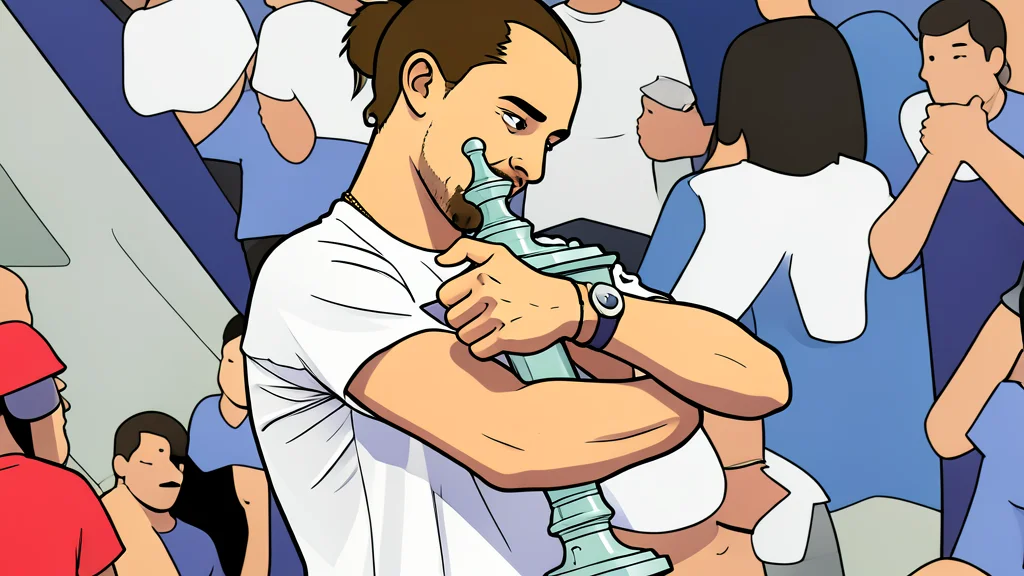
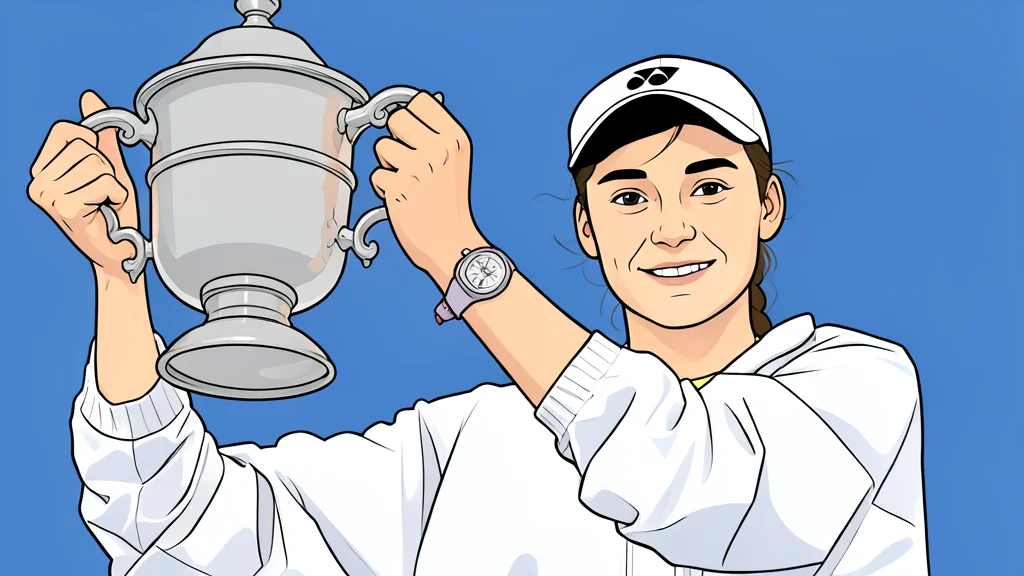
The dust settles on the blue clay of Flushing Meadows, leaving a white tennis ball resting against the green grass boundary. Alexander Zverev stands tall, the weight of ten years of skepticism finally lifted. He has crossed the finish line. After a career defined by near-misses and physical pain, the 29-year-old German has unlocked the final door, adding a second Grand Slam trophy to his shelf in less than four months.
This victory marks a definitive shift. It is not just a win; it is a reclamation. Zverev, who plays with the precision of a surgeon and the grit of a fighter, has dismantled the narrative that he is mentally fragile. By defeating Ben Shelton in straight sets, he has etched his name into the elite tier of men's tennis, a status previously reserved for those who never faltered.
A Decade of Fractures
The path to this moment was paved with jagged stones. Zverev’s journey has been scarred by severe health issues and personal turmoil. Living with diabetes, he has managed his body like a high-performance machine under constant pressure. In 2022, a torn ankle ligament at Roland Garros threatened to end his career entirely. The pain was visceral, the recovery uncertain. He walked away from the court, his future hanging by a thread.
Beyond the physical toll, Zverev has navigated a storm of personal allegations. Accusations of domestic violence from former partners cast a long shadow over his professional life. While the ATP Tour found insufficient evidence to sanction him, a German court issued a penalty order in 2023. The legal battles consumed his energy, creating a backdrop of controversy that often overshadowed his athletic achievements. Yet, he continued to play, turning his back to the noise to focus on the ball.
Silencing the Skeptics
For years, the world watched Zverev stumble. In 2020, he lost a US Open final after leading two sets to love. In 2025, he fell to Jannik Sinner in the Australian Open. The pattern seemed immutable: a player of immense talent unable to close the deal. As Sinner and Carlos Alcaraz dominated the circuit, winning nine consecutive majors, questions about Zverev’s mental fortitude grew louder. He was labeled a choker, a player who crumbled under pressure.
Zverev rejected that definition. He spoke of finding strength in the highs rather than dwelling in the lows. His French Open victory in June was the first crack in the wall. Now, in New York, the wall has collapsed. He stood before the media in New York, smiling through the tension, acknowledging the doubt he had faced. He laughed, noting that many in the press corps did not believe he would succeed. He did not need their belief. He needed only his own.
Legacy Forged in Pain
His story is not just about tennis. It is about resilience in the face of systemic and personal adversity. From a tennis family in the former Soviet Union to the global stage, Zverev has carried the expectations of his lineage. His idol was Roger Federer, a player known for grace and consistency. Zverev has found his own style, one that is raw, emotional, and ultimately triumphant. The gold medal at the Tokyo Olympics remains a testament to his ability to perform under the highest pressure.
As reported by GN sports/tennis, this victory cements his status among the all-time greats. He is no longer a prospect; he is a legend in the making. The controversy may linger, but the trophies speak louder. Zverev has transformed his suffering into power, his doubts into drive. In the end, the only voice that mattered was his own, echoing across the courts of the US Open.