Machines of Air and Steel on the Nice Climb
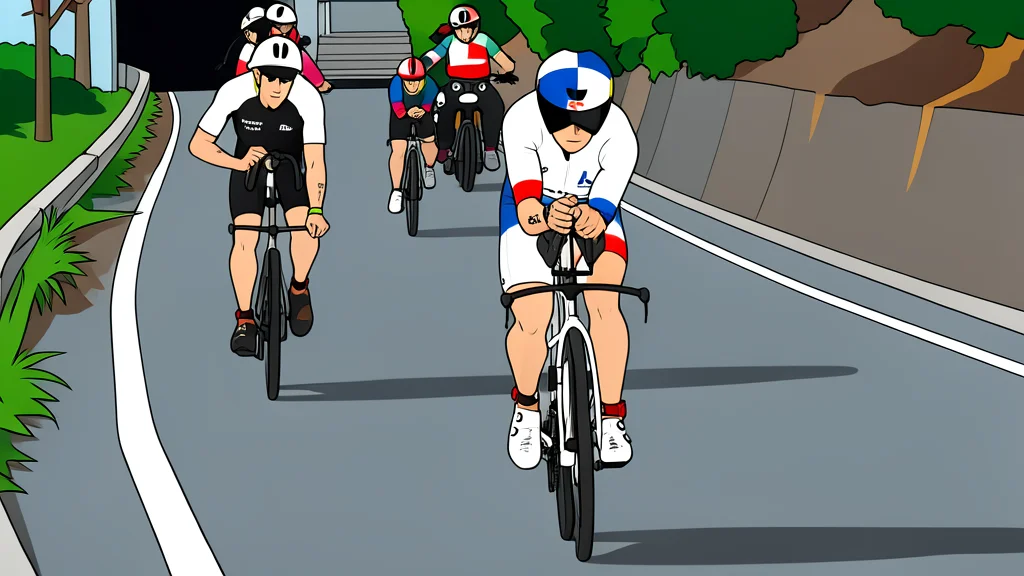
In the sharp turn of the Nice coastal mountains, aerodynamics war with gravity, and the fastest pro bikes of 2026 carve a path through thin air and steep gradients.
The wind bites hard here, slicing through the narrow lanes of the coastal mountains surrounding Nice, France. It is a route that demands courage, where over 4,000 feet of climbing twist the air into chaos. For the professionals at the 2026 Ironman 70.3 World Championships, the bike leg was not just a segment but the decisive battleground. The road demands that riders tuck and pucker, fighting a course that refuses to offer easy answers.
Taylor Knibb answered the challenge with a 2:32:07 split, a time that carved a gap so wide it swelled to eight minutes in the climbs. She did not just ride the course; she dismantled it. Her performance stood in stark contrast to the men’s race, where the top eighteen crossed the line within three minutes of each other. In the women’s field, the bike decided the winner. In the men’s, it decided who was left behind.
Aerodynamic Choices on Steep Gradients
Knibb’s Trek Speed Concept SLR became a study in defiance. She paired the frame with a Bontrager 62 mm front wheel and a full rear disc, a choice that prioritized maximum aerodynamic efficiency over light weight. On a course where lighter setups might have been expected, she chose speed. Her decision paid off, leaving the next fastest rider more than three minutes behind. The machine hummed, slicing through the mountain air with a precision that felt almost violent in its effectiveness.
French Precision in Descending Speed
Marjolaine Pierré brought a different kind of mastery to the Canyon Speedmax CFR. Her setup was conservative yet sharp, featuring a 55 mm DT Swiss front wheel and a rear disc. This balance allowed her to remain aerodynamic on the flats while managing the unpredictable winds on the climbs. Her 2:35:23 split was a testament to her descending prowess, a skill that had previously earned her a breakthrough finish on this very course.
Anne-Sophie Pierre followed, proving that familiarity with the terrain is a weapon in itself. On her Cervélo P5, she used Swiss Side Hadron wheels with a 50 mm front and rear disc. Starting the bike leg well behind the pack, she still managed a 2:37:34 split. Only Knibb and Pierré were faster. Her ride was a quiet declaration that knowing the road’s moods matters as much as the machine’s power.
Divergent Strategies for Mountain Roads
Alanis Siffert’s Scott Plasma RC LTD HMX offered a third perspective. She opted for a slightly deeper 62.5 mm front wheel, a choice that highlighted how differently athletes interpret the same challenge. While others sought balance, Siffert embraced the aerodynamic advantage, trusting her ability to maintain speed even as the road tilted upward. These machines, reported by GN auto sports/triathlon, were not just tools but extensions of the riders’ will, each configuration a specific answer to the mountain’s question.