Asia Leads Global Liquids Storage Expansion Through 2030
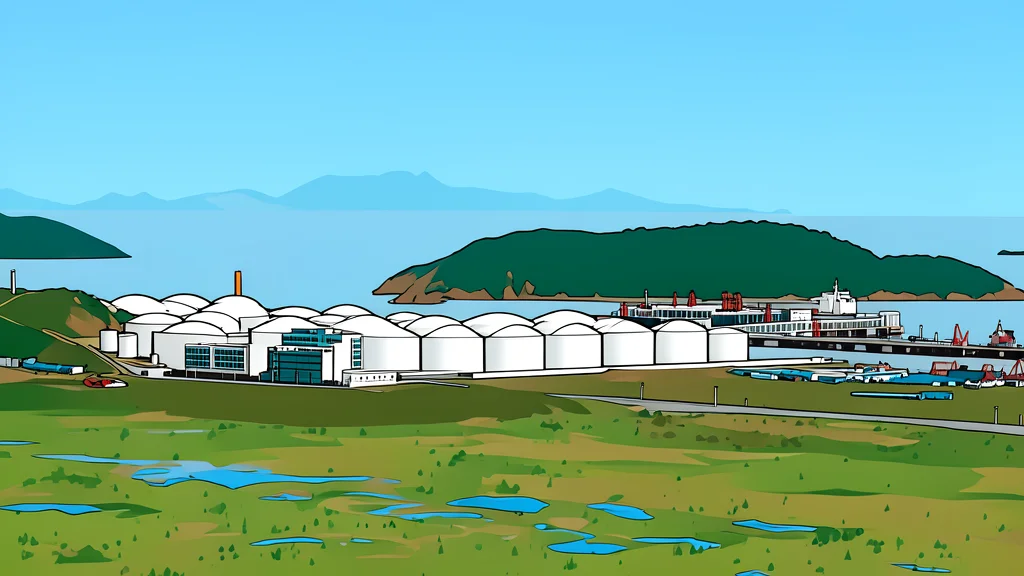
Asia is set to account for the largest share of new global liquids storage capacity additions between 2026 and 2030, driven by a dense pipeline of new builds and expansions in China and India. This infrastructure surge aims to bolster strategic reserves and support growing trade flows in the region.
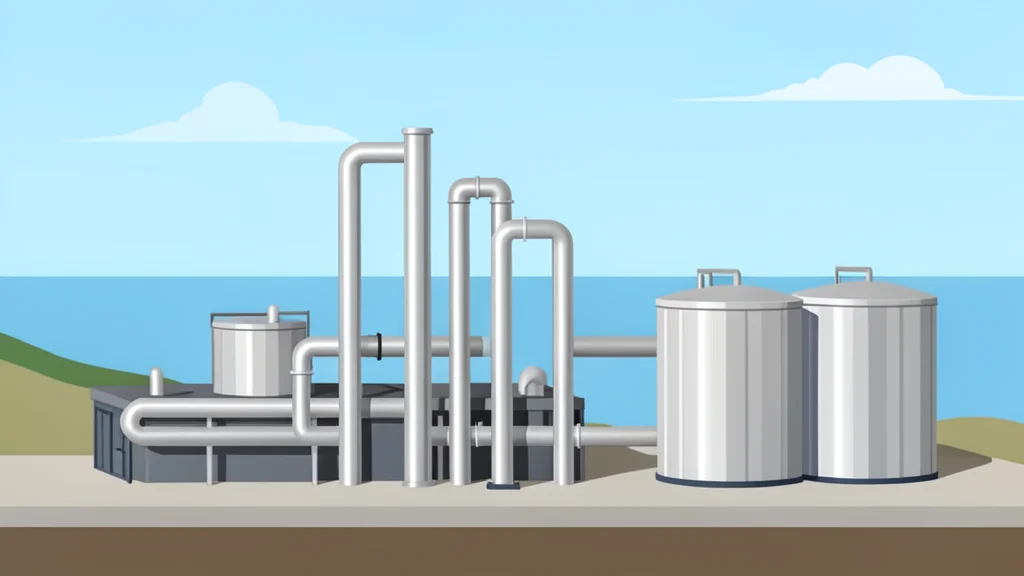
Asia is positioned to dominate global additions to liquids storage capacity over the next five years, according to industry analysis cited by GN auto stocks/energy-stocks: pipeline capacity. The region is expected to host the highest number of upcoming projects worldwide, reflecting a strategic shift to secure energy supplies and support expanding international trade. This growth is underpinned by a robust pipeline of new construction and expansion initiatives designed to handle increasing volumes of crude oil and refined products.
The drive for expanded storage stems from rising energy demand and heightened concerns over supply security across Asian economies. Governments and private developers are accelerating investment to ensure the ability to store and manage large volumes of liquids, which has become a strategic priority as the region diversifies its energy sourcing. This infrastructure buildout is critical for reinforcing domestic supply security while maintaining the region's role in global commodities trade.
China and India lead capacity growth
China and India are at the forefront of this development, leading both the project pipeline and expected capacity additions through the end of the decade. In China, major initiatives such as the Zhoushan V Expansion and the Ningbo V port terminal project are advancing to reinforce the country’s status as a key regional storage hub. These projects focus on large-capacity refinery terminals that support both domestic refining infrastructure and international trade logistics.
India is prioritizing strategic petroleum reserve developments to mitigate energy supply risks. Notable projects include new facilities planned in Bikaner, Chandikhol, and Rajkot, which are designed to strengthen the country’s overall storage infrastructure. These reserve projects are viewed as essential components of India’s broader energy security strategy, ensuring the nation can manage supply disruptions while its economy and energy consumption continue to grow.
Construction stages drive near-term output
The project pipeline is currently split between active construction and early planning phases. Roughly half of the identified projects are already under construction, indicating near-term progress toward completion. This mix of development stages suggests that a significant portion of the expected capacity additions will materialize in the latter half of the decade as projects in feasibility and approval stages advance.
Expansion projects at existing sites are also contributing to regional growth by increasing the capacity of established facilities. These enhancements aim to improve the efficiency of handling both crude oil and refined products. The combination of new builds and expansions is expected to provide a substantial boost to the region’s overall liquids handling capability by 2030, with further details available in GlobalData’s recent outlook report.