Equinor Expands LNG Portfolio to 15 Million Tonnes
Equinor aims to double its LNG portfolio by the early 2030s, targeting new Asian markets and diversifying supply sources across North America, South America, and Africa to meet rising demand in Europe and Asia.
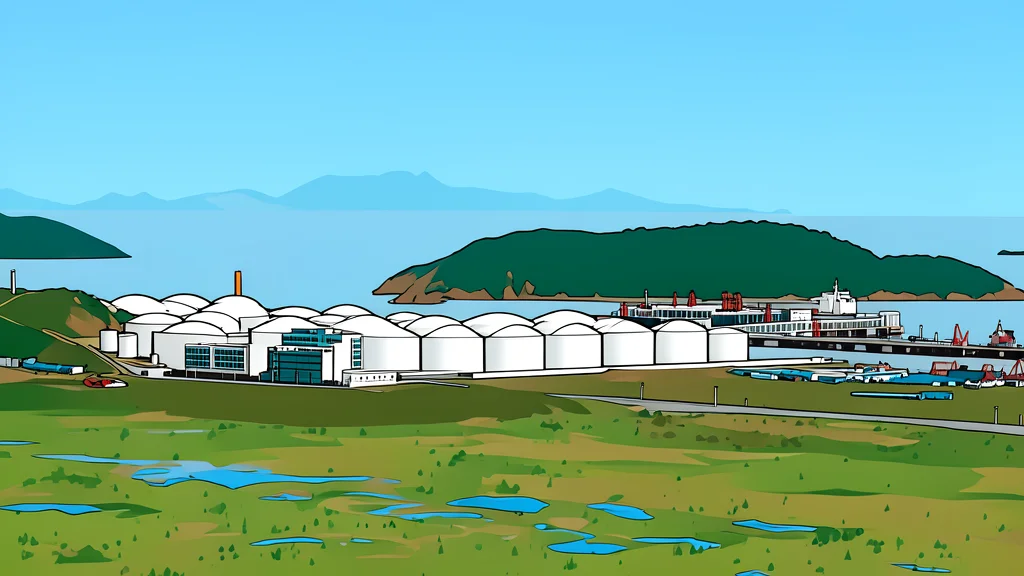
Equinor plans to increase its annual liquefied natural gas portfolio to between 10 and 15 million tonnes by the early 2030s. The Norwegian energy company currently projects a volume of 7 million tonnes per year by 2030, with approximately half of this supply originating from its Hammerfest facility. The expansion strategy focuses on strengthening global LNG positions to address growing demand in European and Asian markets while diversifying supplier bases and pricing mechanisms.
The company aims to reduce reliance on single pricing structures by incorporating more cargoes indexed to Brent crude oil. This move follows the loading of its first US cargo in August 2026 from Cheniere Energy’s Sabine Pass terminal. Equinor is now actively seeking additional supply sources along the US East Coast, Canada’s West Coast, South America, and Africa to ensure geographic diversification of its supply chain.
Asian demand drives new contracts
India and Southeast Asia are central to Equinor’s demand strategy, with the group expecting to sign a second supply contract with an Asian customer soon. In May 2026, Equinor finalized a fifteen-year agreement with India’s Deepak Fertilizers and Petrochemicals. Ingvar Egeland, vice president for LNG at Equinor, noted that several counterparties in India and Southeast Asia are actively seeking new supply sources, a trend intensified by recent disruptions to exports from Qatar and the United Arab Emirates through the Strait of Hormuz.
Project delays and market context
Equinor has excluded volumes from a potential Tanzania project from its current targets due to ongoing delays. These delays stem from negotiations with the Tanzanian government, which is considering new legislation governing LNG investments. The broader market context includes new discoveries such as Aker BP’s Alpehumle prospect in the North Sea, alongside geopolitical tensions where the Kremlin attributes rising gas prices to Europe’s rejection of Russian gas purchases. According to GN auto stocks and energy-stocks data, natural gas demand remains a key driver for these strategic shifts.