Coal Growth Stalls in Half of China as Renewables Take Hold
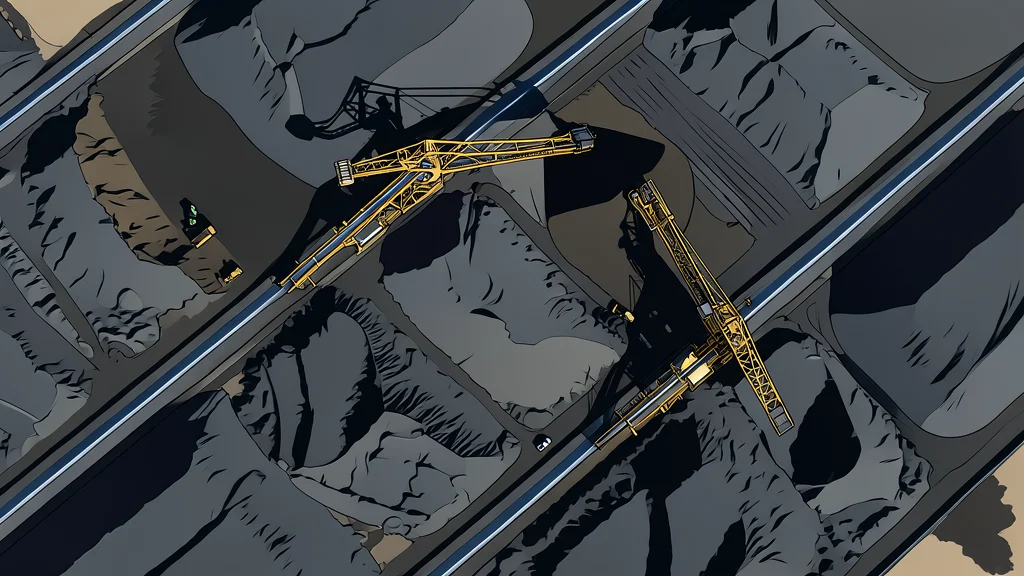
China's coal generation has halted its decade-long expansion in over half the country, driven by a surge in renewable capacity that now outpaces industrial demand for fossil fuel power.
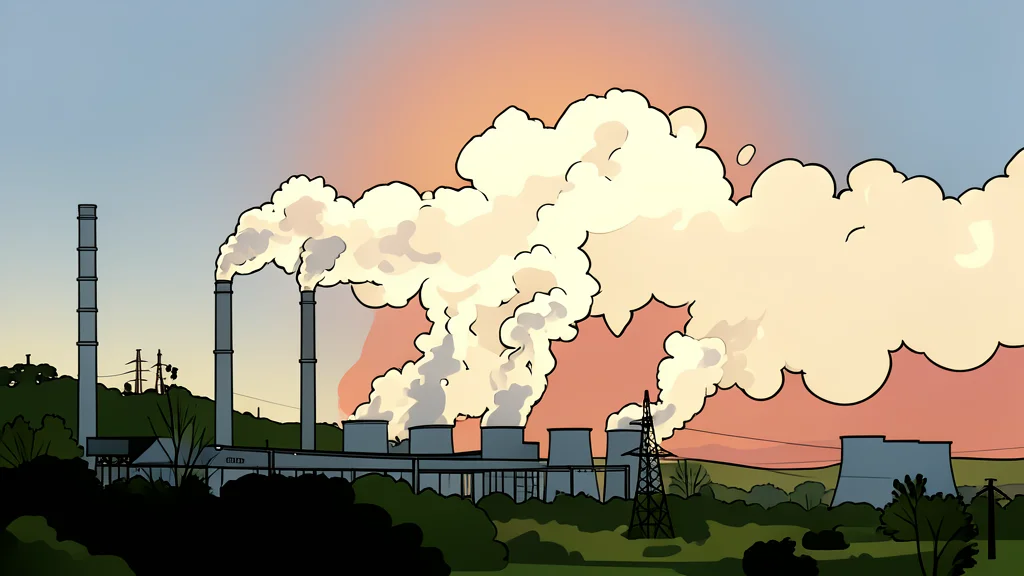
For the first time in ten years, coal-fired electricity output failed to increase in more than half of China's provinces during 2025. This structural shift marks a turning point for the energy sector, as the rapid deployment of solar and wind infrastructure has begun to displace coal rather than merely supplement it. The change is not due to a contraction in overall electricity demand, which remains the highest globally at over 10 trillion kilowatt-hours annually, but rather a substitution effect where new renewable capacity meets the load that would previously have required additional thermal generation.
The transition is accelerating across industrial sectors that were historically resistant to electrification. Metal smelting, petrochemicals, and heavy-duty transport are increasingly shifting to grid power sourced from renewables. In the automotive sector, electric vehicles surpassed 50% of new car sales in 2025, a milestone that contrasts sharply with the United States, where EVs accounted for only 10% of the market. This demand-side shift reduces the marginal value of coal power, effectively capping growth in fossil fuel consumption even as total energy usage rises.
Industrial Sector Decarbonization Accelerates
Specific industries are leading the reduction in fossil fuel reliance. Textile production, machinery manufacturing, and even fossil fuel extraction itself have seen consumption drop by more than 66% from their historical peaks. The Ember Energy report highlights that these declines are structural, driven by efficiency gains and fuel switching rather than temporary economic fluctuations. However, the transition is not uniform; the electronics and mineral processing sectors continue to increase their fossil fuel power usage, indicating that peak demand has not yet been reached in every part of the industrial base.
Battery Storage Enables Grid Stability
The viability of replacing coal with intermittent renewable sources relies heavily on energy storage infrastructure. China has invested significantly in battery storage to manage the variability of solar and wind output. This capacity allows the grid to maintain stable supply during periods of low renewable generation, reducing the need for coal plants to act as backup. Without this storage layer, the variable nature of renewables would limit their ability to displace baseload coal generation, particularly during peak demand hours.
Future Demand Growth Challenges Infrastructure
Looking ahead, the International Energy Agency projects annual electricity demand growth of just under 5% between 2026 and 2030. Meeting this growth with renewables requires massive capital expenditure. Replacing a single coal power plant necessitates over one million solar panels and significant grid connection infrastructure. The pace of new renewable construction must therefore accelerate to match demand growth, ensuring that the stall in coal generation persists and that the overall energy mix continues to decarbonize.