Pipeline Constraints Drive Florida Gas Zone 3 Premium
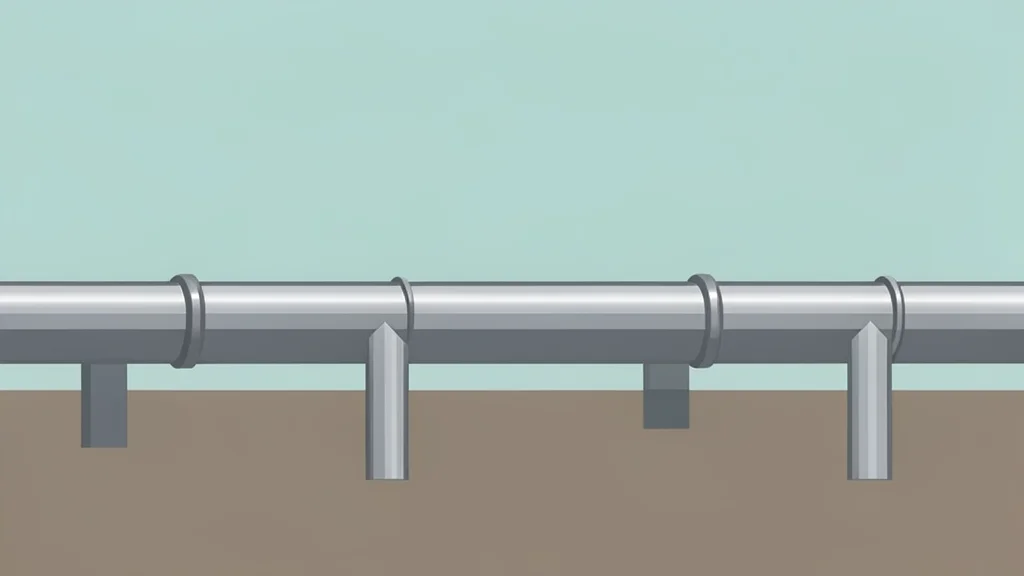
Compressor station bottlenecks at the Louisiana-Alabama gateway have decoupled Florida Zone 3 prices from upstream Henry Hub benchmarks, creating a sharp regional price spike.
Florida Gas Transmission’s Zone 3 spot price surged to $6.075/MMBtu, reflecting a $3.135 premium over Zone 1. This divergence stems from persistent capacity restrictions at the #8 Zachary compressor station in Louisiana, which has operated near full capacity on 98 of 109 gas days since June 1. The bottleneck prevents upstream gas from flowing freely into the eastern market, forcing Zone 3 to rely on local withdrawals.
The constraint is not temporary. Interconnecting pipelines such as Columbia Gulf Transmission and Transco have reported zero available swing capacity at key meter points since mid-June. Consequently, the price premium for Zone 3 over Henry Hub widened to $3.010 in September, up sharply from 85.0 cents during the first half of the summer. This structural tightness has effectively isolated the Florida market from broader continental supply dynamics.
Storage Field Dynamics Shift Direction
Regional storage assets are amplifying the imbalance. Southern Pines Storage is in net withdrawal, injecting 285 MMcf/d onto the pipeline in August and 116 MMcf/d in September. Conversely, Bay Gas Storage has switched to net injection, pulling 386 MMcf/d from Transco in September while reducing deliveries to the local pipeline. These opposing flows mean that local demand is being met by depleting nearby inventories rather than importing additional volume from the west.
Liquidity Evaporates From Upstream Zones
Trading activity in upstream zones has nearly ceased, indicating a lack of available physical gas. Florida Gas Zone 1 recorded only one trade in September, and Zone 2 has not traded since July 31. The scarcity of liquidity upstream confirms that the bottleneck is physical rather than financial. Market participants cannot easily arbitrage the price spread because the infrastructure to move gas across the gateway remains saturated.
Forward Contracts Price In Normalization
NGI’s Forward Look data indicates that the market expects the premium to collapse as seasonal demand subsides. The October contract averages an 82.6-cent premium to Henry Hub, down significantly from current cash levels. The winter 2026/27 strip trades at approximately 59.9 cents, narrowing to roughly 27.5 cents by April 2027. This forward curve suggests that while current scarcity is severe, traders view the constraints as transient relative to the full heating season.