Energos Force FSRU Docks at Stade for German LNG Import
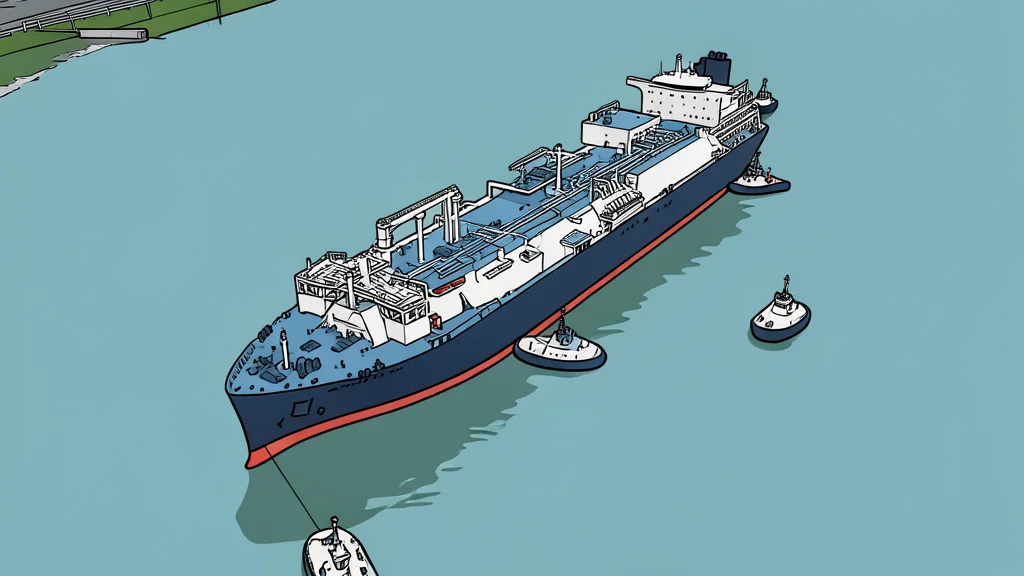
The Energos Force vessel has arrived at the Stade-Bützfleth industrial port, positioning itself to begin regasification operations in November. This move adds critical infrastructure to Germany’s grid as national storage levels remain historically low.
Energos Force has completed its arrival at the Stade-Bützfleth industrial port in Germany, marking the final physical step before commissioning. The vessel, which owns a floating storage and regasification unit with a total LNG storage capacity of 174,000 cubic metres, will operate under the Deutsche Energy Terminal brand. Its primary function is to receive liquefied natural gas cargoes, convert them back to vapor, and inject the resulting gas directly into the national grid.
The terminal is scheduled to process its first cargo in early November, with full operational capacity expected to reach 3.2 billion cubic metres of natural gas annually by 2027. This infrastructure was developed by Energos Force, which provided the dedicated marine assets, while Niedersachsen Ports constructed the specific jetty required for the vessel’s docking. The project establishes a new, independent LNG import route for the German market, reducing reliance on existing pipeline infrastructure.
Storage Levels Remain Critically Low
The timing of this commissioning coincides with a period of heightened supply risk. European underground natural gas storage facilities were approximately 68% full as of mid-September, a level considered historically low for the start of the winter heating season. Germany specifically faces tighter margins, with national storage tracking between 56% and 69% full. This deficit raises immediate concerns regarding winter supply security and the potential for significant price spikes during peak demand periods.
Global market dynamics have further tightened availability for European buyers. Geopolitical tensions and shipping disruptions, including those affecting the Strait of Hormuz and halting Qatari exports, have intensified competition for LNG cargoes. European buyers are now in direct bidding competition with Asian markets, limiting the volume of gas available for import. The addition of the Energos Force facility provides a structural countermeasure to these short-term volatility factors by securing a dedicated physical import channel.
Long-Term Import Dependence Increases
Beyond immediate seasonal risks, the structural shift in energy sourcing is accelerating. New research from Wood Mackenzie indicates that without significant new field investment, the European Union will import over 98% of its gas by 2050. The study highlights a substantial gap between current domestic production potential and future demand, estimating that the difference equates to roughly three years of current EU gas demand.
The report concludes that policy and investment decisions made in the next five years will determine the bloc’s long-term energy security posture. For companies like Energos Force, this reinforces the necessity of expanding flexible, floating infrastructure to bridge the supply gap. As domestic production remains constrained, the ability to rapidly deploy and commission assets like the one in Stade becomes a critical component of grid resilience.
Operational Context and Market Impact
The operational status of the Energos Force vessel directly influences regional gas pricing mechanisms. By adding 3.2 bcm of annual capacity, the facility increases the total volume of gas available for spot and forward contracts in the German market. This added supply depth is particularly relevant as traders adjust positions for the Q4 delivery period. The physical presence of the vessel at the Stade jetty signals that the infrastructure is ready for immediate commercial activity, contingent on regulatory approval and cargo availability.
The integration of this asset into the broader European network also affects interconnector flows. With storage levels low and domestic production static, the marginal value of imported LNG increases. The successful commissioning of the Energos Force unit demonstrates the feasibility of using floating assets to rapidly scale import capacity without the multi-year lead times associated with fixed-terminal construction. This model offers a flexible solution to the structural import dependence identified in recent energy policy analyses.