Federal Outlook Confirms Continued Decline in U.S. Coal Generation
Despite administrative support, the U.S. Energy Information Administration projects an 8% drop in coal-fired electricity generation for 2026, driven by rising costs and solar competition.
The U.S. Energy Information Administration projects an 8% decline in coal-fired electricity generation for 2026, followed by a further 6% drop in 2027. This forecast indicates that recent administrative measures to sustain the sector have failed to reverse structural downward trends.
Regulatory changes, including the rollback of pollution standards and the cancellation of renewable energy tax credits, were intended to improve coal’s market position. However, industry data shows that coal remains uncompetitive against gas and solar, which are now meeting the majority of growing electricity demand.
Regulatory Actions Fail to Offset Market Shifts
The administration ordered several coal facilities to remain online beyond their scheduled retirement dates to prevent alleged power shortages. The Department of Energy argued these measures were necessary for grid stability. In response, legal challenges have emerged, with the Sierra Club claiming these orders have increased electricity costs for customers by over $500 million.
Operational data suggests these mandated plants have not generated significant electricity since the orders were issued. This lack of output undermines the economic justification for keeping aging infrastructure active, particularly as solar generation surpassed coal in May for the first time.
Kentucky Faces Job Losses Amidst Industry Contraction
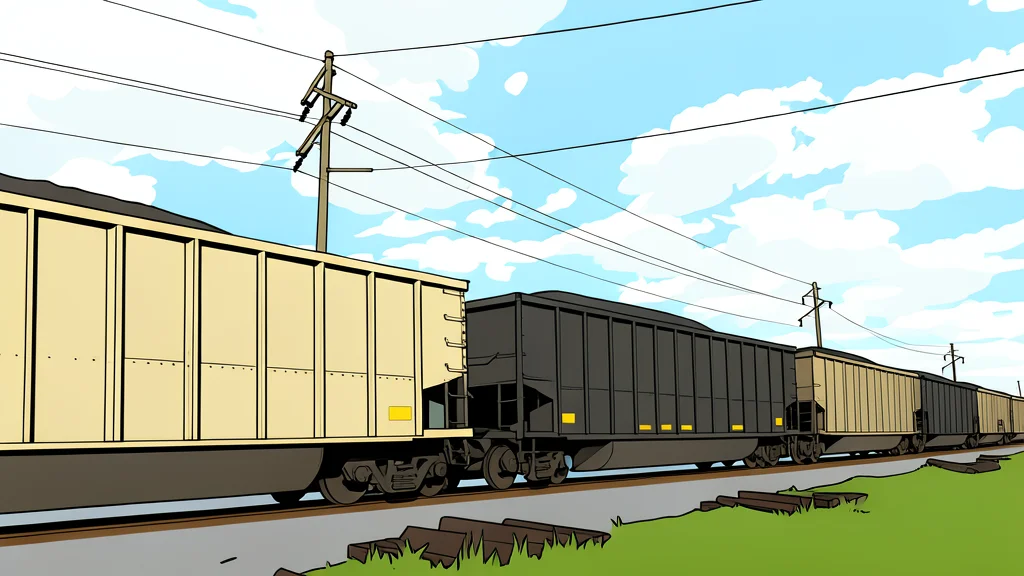
Kentucky lost more than 300 coal-related jobs in the first half of the year, according to state data. Rail shipments of coal have also decreased, reflecting a broader contraction in the sector’s logistical footprint. These figures align with the federal outlook that highlights a persistent inability of coal to compete on cost efficiency.
Local stakeholders continue to navigate the shifting energy landscape. East Kentucky Power Cooperative and state legal officials are challenging cost-sharing plans for non-coal facilities, highlighting the complex regulatory environment affecting regional grid operators and energy producers.
Legal Challenges Target Mandated Plant Operations
A U.S. District Court recently overturned a 2025 order forcing the J.H. Campbell coal plant in Michigan to continue operating. The ruling specifically applies to that facility, but it sets a precedent that could impact similar orders in Indiana, Colorado, Florida, and Washington. Legal experts note that these judicial decisions are central to determining the long-term viability of coal assets under current federal policies.
The situation underscores a disconnect between policy intent and market reality. While the administration seeks to preserve coal’s role in the energy mix, economic forces and legal constraints are accelerating its exit. The sector’s future appears increasingly dependent on its ability to compete in a market dominated by renewable and gas-fired generation.