Iowa Utilities Increase Coal Output Amid Demand Surge
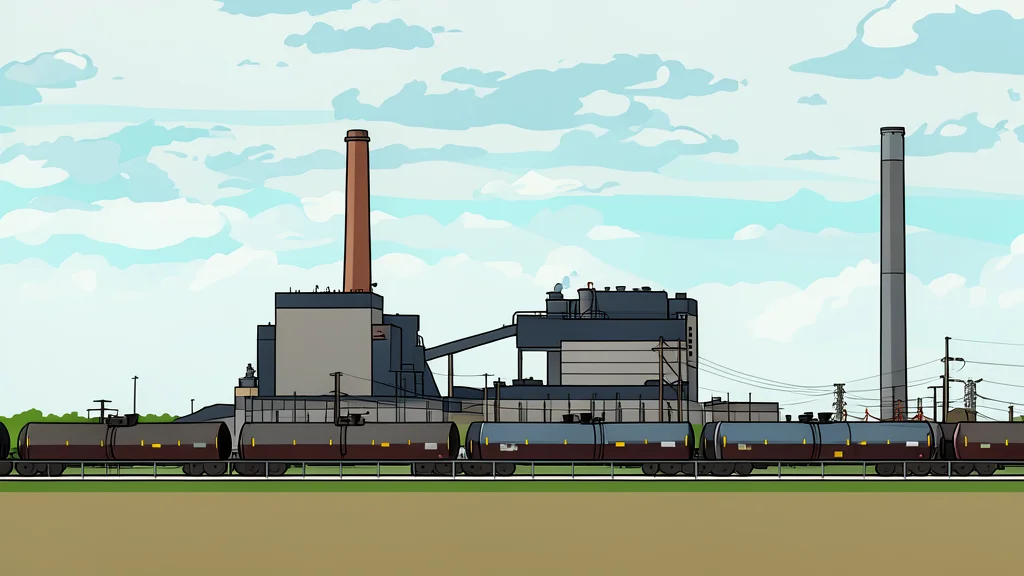
MidAmerican Energy and Interstate Power and Light raised coal generation shares from 21% to 27% and 12% to 20% respectively, driven by data center load and stalled renewable construction.
Iowa’s two largest investor-owned utilities, MidAmerican Energy Co. and Interstate Power and Light, increased coal-fired electricity generation for the first time in years. According to data reported to the Federal Energy Regulatory Commission, coal’s share of MidAmerican’s resource mix rose from 21 percent in 2024 to 27 percent in 2025. Interstate Power and Light, a subsidiary of Alliant Energy Corp., saw its coal contribution jump from 12 percent to 20 percent over the same period.
The shift occurs as statewide electricity generation climbed from 70.5 million megawatt-hours in 2024 to just over 74 million megawatt-hours in 2025. The Iowa Nuclear Energy Task Force, convened by Governor Kim Reynolds, attributes this demand growth primarily to the expansion of data centers and manufacturing facilities. Despite wind turbines currently providing nearly two-thirds of the state’s power, the slowing pace of new utility-scale renewable development has left a gap that legacy coal plants are filling.
Regulatory and Economic Pressures
Utility-scale wind and solar projects face multiple headwinds, including the loss of federal tax credits, rising materials costs due to tariffs, and increased local opposition. These factors have slowed the build-out of new clean capacity. Consequently, utilities are relying on existing coal infrastructure, which has operated at incredibly low capacity levels of around 20 percent for many years, to meet rising load requirements.
Alliant Energy stated in a response to a comment request that it remains focused on balancing reliability, affordability, and sustainability. However, the reliance on aging coal fleet assets, which number only nine utility-scale plants in the state, introduces significant operational and environmental complexities. The company has not provided specific guidance on the long-term trajectory of these coal assets beyond the current reporting period.
Emissions and Public Health Impact
The increase in coal combustion has led to a measurable rise in pollutants. Data filed with the Environmental Protection Agency shows that Alliant and MidAmerican reported a more than 50 percent increase in sulfur dioxide and nitrogen oxide emissions from 2024 to 2025. Government-run air quality monitoring stations recorded corresponding increases in fine particulate matter concentrations, which are linked to respiratory and cardiovascular health risks.
Health experts note that Iowa’s aging coal plants are significant sources of toxic heavy metals, including mercury and cadmium, as well as nitrogen and sulfur oxides. With Iowa holding the second-highest rate of new cancer cases in the nation, the link between air pollution and cancer risk is a growing concern. Emissions monitoring data suggests this trend of increased coal usage and associated pollution has continued into 2026.
Infrastructure Constraints and Future Outlook
The current strategy relies on repurposing underutilized capacity rather than building new clean generation. This approach is driven by the immediate need to serve load growth from AI-driven data centers and industrial expansion. The utility sector faces a difficult balancing act, where the cost and speed of deploying new renewable infrastructure are outpaced by the immediate demand for reliable baseload power.
As demand continues to rise, the reliance on coal is expected to persist unless new clean capacity comes online rapidly. The situation highlights a structural mismatch between the pace of electrification and the pace of renewable grid integration. Utilities must navigate these constraints while managing increasing scrutiny over environmental performance and public health outcomes.