MPLX Shares Dip Ahead of Expected Q4 Earnings Decline
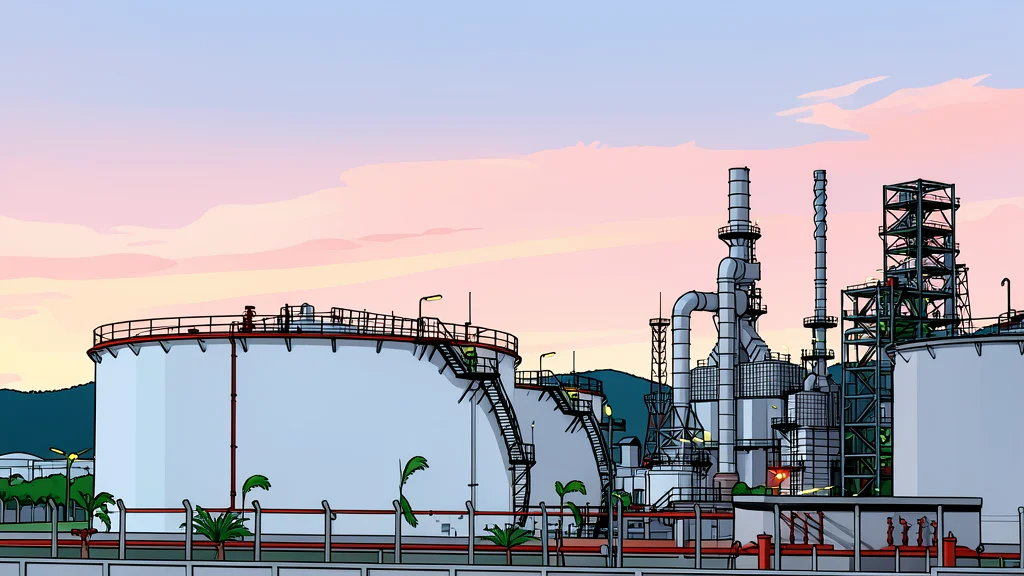
MPLX shares fell 1.59% as investors braced for year-over-year drops in earnings and revenue, testing a valuation narrative that suggests the stock is modestly undervalued.
MPLX Inc. shares declined 1.59% in the latest trading session, underperforming broader market indexes as traders positioned themselves ahead of the company's upcoming earnings report. Expectations indicate a year-over-year contraction in both earnings per share and total revenue, prompting a cautious stance among investors. While the recent dip reflects short-term anxiety, the stock remains up 5.01% over the past 90 days, suggesting a resilient underlying trend despite the immediate pullback.
The current trading price of $58.89 sits below a widely cited fair value estimate of $62.23, a gap that implies approximately 5% undervaluation. This premium is attributed to MPLX's long-term infrastructure expansion in the Permian Basin and its disciplined capital return strategy. However, the company’s heavy reliance on U.S. oil and gas cycles and its acquisition-heavy growth model introduce risks that could challenge this valuation if fossil fuel demand softens or recent deals underperform.
Infrastructure Acquisitions Drive Throughput Growth
MPLX is leveraging recent strategic moves to boost revenue and operating margins. The acquisition of Northwind Midstream and the assumption of full ownership of the BANGL NGL pipeline are central to this strategy. These assets are complementary to MPLX's existing Permian infrastructure, designed to increase throughput volumes and expand access to dedicated acreage. By integrating these pipelines, the company aims to unlock additional natural gas liquids volumes, supporting a multi-year trajectory of revenue expansion.
The business case for these additions rests on the ability to convert increased physical capacity into improved cash flows. As MPLX expands its midstream network, the focus remains on capturing higher volumes from the Permian production hub. This operational efficiency is intended to offset potential headwinds in commodity prices, providing a buffer that supports the company's payout discipline and long-term shareholder returns.
Valuation Gap Reflects Cyclical Risk
The 5% discount to fair value highlights a tension between fundamental growth and cyclical exposure. While analysts point to the infrastructure build-out as a driver of intrinsic value, the stock's sensitivity to broader energy demand remains a key variable. A downturn in U.S. oil and gas production or weaker demand for midstream services could quickly erode the margin of safety that the current price suggests. Investors are watching to see if the acquisition synergies materialize quickly enough to offset these macroeconomic pressures.
The upcoming earnings release will be a critical test for this narrative. If the year-over-year declines in EPS and revenue are accompanied by strong guidance on future throughput and margin expansion, the undervaluation thesis may hold. Conversely, if operational metrics show slower-than-expected integration of new assets, the market may reassess the premium attached to MPLX's growth story. The company's ability to maintain disciplined payouts while funding necessary infrastructure upgrades will be a focal point for stakeholders.
Market Sentiment Remains Cautious
According to data from GN markets/earnings, the recent price action reflects a broader skepticism regarding midstream operators facing potential demand softness. The stock's lagging performance relative to indexes suggests that traders are prioritizing defensive positioning over growth expectations. This caution is not necessarily a rejection of MPLX's business model but rather a hedging strategy against the anticipated earnings decline. The divergence between the 90-day positive return and the recent session drop illustrates the volatility inherent in energy-sector equities.
As the earnings season progresses, the market will closely monitor MPLX's commentary on future capital allocation and debt management. The company's strategy of acquiring adjacent assets to drive volume growth is a double-edged sword; it offers clear paths to expansion but also increases leverage and operational complexity. The resolution of these factors will determine whether the current 5% undervaluation represents a genuine opportunity or a temporary mispricing that corrects in the coming quarters.