Dan Ives Identifies Three Core Tech Stocks Driving AI Growth

Dan Ives positions Nvidia, Microsoft, and Palantir as the central pillars of the current AI expansion, arguing that infrastructure spending is entering a sustained multi-year phase rather than a speculative bubble.
Wedbush analyst Dan Ives has designated Nvidia Corp., Microsoft Corp., and Palantir Technologies Inc. as the primary engines of the ongoing technology sector expansion. In a recent appearance on the Global Money Talk podcast, Ives described these three firms as the structural backbones of the artificial intelligence revolution. He specifically highlighted Palantir’s execution capabilities, comparing its market position to a dominant sports figure, while identifying Nvidia and Microsoft as the foundational providers of the necessary computational infrastructure.
Ives emphasized the economic multiplier effect associated with hardware investments, asserting that every dollar spent on Nvidia chips generates approximately ten dollars in additional value across the broader tech ecosystem. This perspective frames the current market activity not as a speculative froth but as a necessary capital expenditure cycle. According to this view, the sector is currently in the third year of an eight-to-ten-year buildup period, suggesting that the initial infrastructure phase is far from complete.
US Data Center Expansion Accelerates
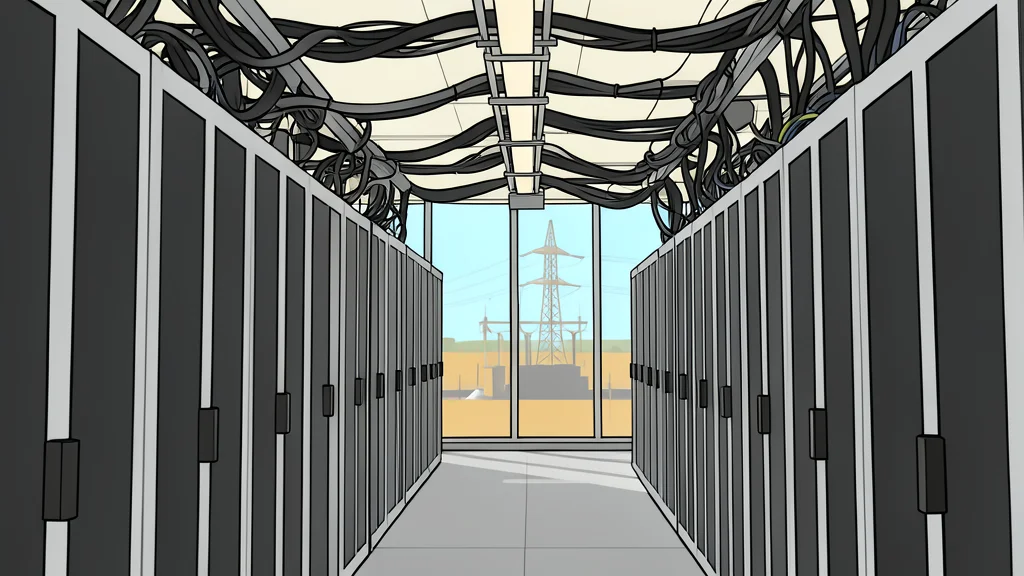
Recent field observations in rural Nebraska revealed a surge in physical infrastructure development, with up to 1,500 data centers currently under construction across the United States. Ives characterized these facilities as the vital organs of the AI industry, noting that they are expanding at an unprecedented rate. This physical build-out marks a significant shift in global technological leadership, with the United States currently outpacing China in development velocity for the first time in three decades.
The analyst dismissed concerns that the rapid expansion constitutes a market bubble, arguing that the timeline extends well into the future. By comparing the sector’s maturity to a late-night social event that has barely begun, Ives indicated that the peak of the AI cycle is still several years away. This timeline aligns with the massive capital requirements for housing and powering the next generation of AI models, reinforcing the need for continued investment in physical infrastructure.
Software Valuation Disconnect Persists
Despite the hardware boom, Ives identified the recent sell-off in software stocks as a significant market anomaly. He labeled the narrative that AI will eliminate established software companies as a mispricing of risk, describing it as the most disconnected trade he has witnessed in three decades. Ives argued that organizations will not abandon critical systems of record in favor of experimental coding methods, implying that entrenched software providers like Salesforce will retain their relevance.
While acknowledging that some legacy firms face challenges, Ives advised investors to ignore geopolitical noise and focus on fundamental business performance. He cautioned against reactive selling based on short-term news events, urging market participants to maintain their positions during normal market fluctuations. This stance suggests that the current volatility in the software sector does not reflect a fundamental change in the long-term value proposition of these companies.
Strategic Focus on Core Leaders
The analysis from GN auto stocks/technology: tech stocks highlights a divergence between infrastructure growth and software sentiment. By isolating Nvidia, Microsoft, and Palantir as the key beneficiaries, Ives underscores the importance of companies that directly enable AI deployment. This strategy prioritizes firms with strong execution records and essential infrastructure roles over those affected by broader sector-wide sentiment shifts.
The emphasis on these three stocks reflects a belief that the AI revolution is driven by tangible capital investment and execution rather than speculative hype. As the US continues to lead in data center construction, the financial performance of these core providers is expected to remain a primary driver of sector returns. Investors are encouraged to look past short-term volatility and focus on the multi-year trajectory of AI adoption.