Saudi Pipeline Shutdown After Drone Strike
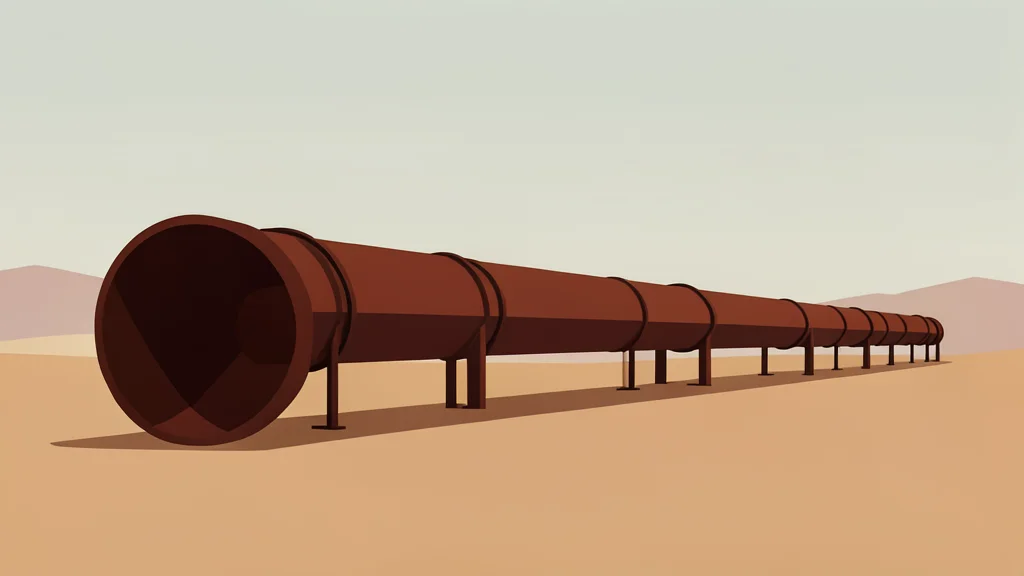
Saudi Arabia has suspended operations on its East-West pipeline following a drone attack, immediately removing 4-5 percent of global crude supply from the market.
Saudi Arabia temporarily closed its East-West pipeline after a drone attack originating from Iraq, a precautionary measure that halts a critical artery for global energy. The 1,200 km conduit, which has been the primary exit route for Middle East crude since the Strait of Hormuz faced disruptions, was struck in an area south of Medina. Satellite imagery confirmed black smoke rising from the site, and the Saudi Foreign Ministry reported injuries and damage under assessment, though the precise impact on export volumes remains unquantified.
The suspension removes 4 million to 5 million barrels per day from the market, representing 4 to 5 percent of global oil supply. This pipeline has served as a vital buffer for Saudi Arabia, allowing the kingdom to bypass the Strait of Hormuz and maintain exports while other Gulf producers faced disruptions. The attack, attributed to Iranian-backed militias in Iraq, has already triggered a surge in oil prices and pushed US diesel retail prices past a record high of US$6 per gallon.
Pipeline Capacity Halts Global Supply
The East-West pipeline is the backbone of Saudi Arabia’s current export strategy, moving nearly 5 million barrels daily to avoid the contested waters of the Persian Gulf. Its closure creates an immediate vacuum in global supply, forcing traders to seek alternative sources or absorb higher prices. The attack underscores the vulnerability of overland infrastructure to aerial threats, a risk that had been mitigated by the pipeline’s existence during the previous six months of regional instability.
Market participants now face a sharper tightening of supply as the most reliable bypass for Hormuz is offline. The loss of this volume directly impacts global inventory levels, exacerbating the price spike observed in the past week. With the pipeline closed, the market loses a key mechanism for stabilizing supply, leaving the global energy sector more exposed to further geopolitical shocks in the region.
Geopolitical Tensions Escalate Energy Risks
The closure coincides with intensified Houthi activity in the Red Sea, where the group has seized the strategic island of Perim in the Bab el-Mandeb Strait. This move threatens another major oil route, compounding the supply risks created by the pipeline shutdown. Saudi Crown Prince Mohammed bin Salman has requested US military assistance to combat the Houthis, though Washington has indicated it will limit its role to intelligence sharing for now.
US President Donald Trump suggested Iran is responsible for the drone strike, while Iraqi authorities dismissed a military commander in response to the incident. The convergence of attacks on Saudi infrastructure and Houthi advances in the Red Sea signals a widening conflict that directly impacts energy logistics. For the oil market, this means sustained volatility as the two primary routes for Middle East crude face simultaneous threats.
Diplomatic Efforts Fail to Reopen Routes
Iranian officials have dismissed the likelihood of a breakthrough in the Oman-mediated talks scheduled for Monday, stating that dialogue is futile unless the US accepts all Iranian conditions. The meeting, which will include Iraq, aims to discuss the future of the Strait of Hormuz, but no signed agreement is expected. This diplomatic stalemate leaves the physical infrastructure for oil transport in a state of heightened uncertainty.
With the East-West pipeline offline and the Strait of Hormuz remaining largely shut, the global energy market faces a dual constraint on supply. The lack of a diplomatic resolution increases the probability that these disruptions will persist, keeping pressure on prices and forcing consumers and industries to contend with higher energy costs. The situation highlights the fragility of global oil logistics in the face of ongoing regional conflict.