Shell Q2: $17.5B FCF, 18Mt LNG Sales Amid 36Mt Supply Loss
Shell generated $17.5B free cash flow in Q2 despite losing 36Mt of LNG and 1.6B barrels of oil from global buffers.
Key points
- Shell reported Q2 adjusted earnings of $9.8B and free cash flow of $17.5B.
- Global energy buffers shrank by 36Mt of LNG and 1.6B barrels of oil.
- European gas storage is below targets, raising winter restocking needs.
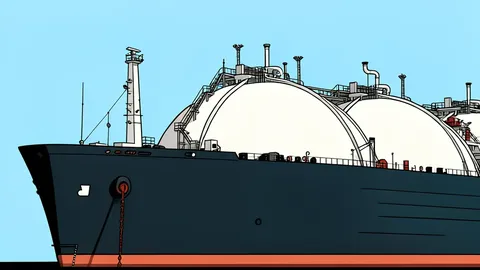
Shell Plc reported second-quarter adjusted earnings of $9.8 billion, supported by the sale of 18 million tonnes of liquefied natural gas. The company generated $21.4 billion in operating cash flow and $17.5 billion in free cash flow during the period.
These financial results coincide with a significant contraction in global energy buffers. Shell indicated that approximately 36 million tonnes of Middle East LNG and 1.6 billion barrels of oil have been removed from the market year-to-date, tightening global supply conditions.
Supply Losses Tighten Global Buffers
The removal of 36 million tonnes of LNG has directly reduced available global gas stocks. Shell attributes this supply deficit to outages in the Middle East, which has constrained the volume of product available for international trade.
Concurrently, the loss of 1.6 billion barrels of oil has exacerbated tightness in the crude market. These combined losses have forced traders to adjust their positioning, with Shell noting that global buffers are now lower than previous seasonal averages.
European Storage Deficits Drive Pressure
Europe is entering the winter season with gas storage levels below target thresholds. Shell’s integrated gas division highlighted that these low inventories increase the need for restocking, creating potential seasonal supply pressures for European customers.
Demand Weakness Offsets Supply Tightness
Despite the supply constraints, Shell noted that weaker demand in China has provided some relief to the global market. The company also pointed to flexible shipping arrangements and U.S. output levels as factors that help manage the overall balance.
Shell expects these dynamics to persist into 2027, with gas markets remaining tight. The company’s share buyback program, executed by Goldman Sachs International, continued during the period, reflecting management’s view on capital allocation.
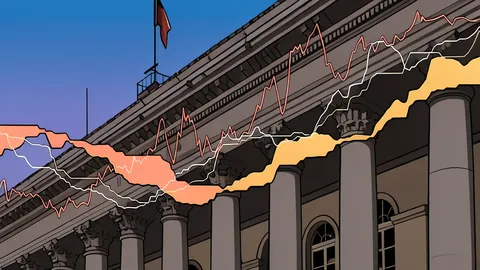
According to TradingView data, Shell’s stock experienced intraday volatility as traders reacted to the interplay of strong cash flows and supply-side risks. The company’s performance underscores the ongoing tension between robust corporate earnings and structural supply disruptions.