Tanker Rates Hit Record Highs Amid Geopolitical Disruption
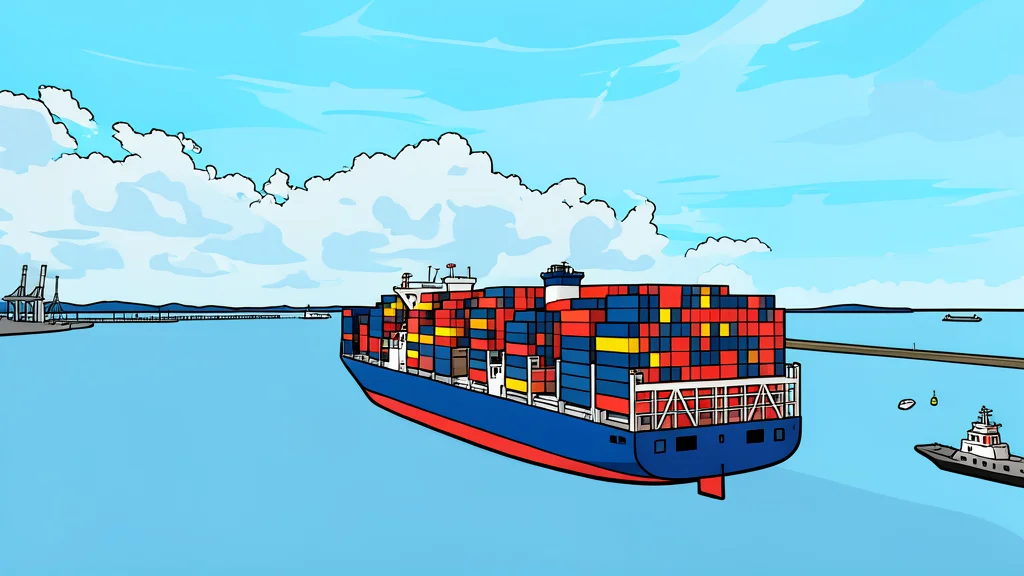
VLCC rates reached $1.1 million per day as geopolitical conflicts drove up freight costs and forced carriers to implement multiple surcharge waves.
Global shipping markets have entered a phase of elevated costs driven by geopolitical conflicts, fuel pressures, and trade bottlenecks. According to data cited by GN markets/earnings (en-US), Very Large Crude Carriers operating from the Arabian Gulf to China earned approximately $1.10 million per day on September 15. This level of profitability marks a significant shift in tanker economics, driven by tight vessel availability and disrupted trade patterns rather than traditional economic factors.
The current market dynamics contrast sharply with container shipping, where carriers are responding to rising operating and fuel costs by adding layers of surcharges. While tanker owners benefit from exceptional freight rates, container lines have introduced emergency fuel surcharges, inland charges, and peak-season fees. This divergence highlights how geopolitical disruptions, including the U.S.-Iran conflict and the war in Ukraine, are reshaping the maritime sector's financial landscape.
Tanker Earnings Surpass Historical Booms
Industry observers note that the current tanker cycle has surpassed the shipping boom of the 2000s. Senior reporter Greg Miller indicated that earnings approaching $1 million a day were previously difficult to imagine in the recent past. The combination of longer voyages and security concerns has created a market where geopolitical disruption directly translates into higher freight earnings for shipowners.
Richard Meade, editor-in-chief of Lloyd’s List, stated that disruption is no longer the exception but a defining feature of shipping markets. He emphasized that security concerns and uncertainty are now primary drivers of market conditions. This shift means that companies must account for geopolitical risk as a core component of their supply chain strategy.
Supply Chain Costs Rise Across Sectors
The financial impact of higher transport costs extends beyond shipping companies to the broader economy. Higher diesel prices are increasing expenses for businesses relying on road, rail, and ocean freight. Companies handling chemicals and petroleum-based materials are facing particular difficulty in managing uncertainty, leading them to place smaller orders and seek shorter lead times to avoid committing large amounts of capital to expensive inventory.
This shift in procurement behavior creates a dual risk for businesses. While smaller orders reduce exposure to price drops, maintaining insufficient inventory may prevent companies from meeting customer demand when supplies are needed. The pressure could eventually reach consumers through higher prices for transportation, food, and products containing petroleum-based chemicals, such as paints and data-center cooling materials.
Carriers Invoice Volatility Through Surcharges
Container shipping companies have introduced multiple waves of surcharges during the year to offset rising costs. An analysis from Xeneta identified emergency fuel surcharges followed by additional inland and intermodal charges. Another emergency fuel surcharge was implemented as tensions surrounding the U.S.-Iran conflict intensified in late July, reflecting the direct link between geopolitical events and freight billing.
Emily Stausboll, senior analyst at Xeneta, noted that three surcharge waves in six months indicate that volatility is now being invoiced to shippers. For businesses, this means transportation budgets are becoming harder to predict. The rapid translation of geopolitical and environmental disruptions into supply-chain costs underscores the need for greater flexibility and risk management in global logistics.