Fed Hikes Rates to 4.00% Amid Inflation Concerns
The Federal Reserve raised benchmark rates by 25 basis points to a target range of 3.75% to 4.00%, marking the first increase in three years. Futures edged higher overnight following the decision, which was driven by persistent inflation concerns despite political pressure for lower rates.
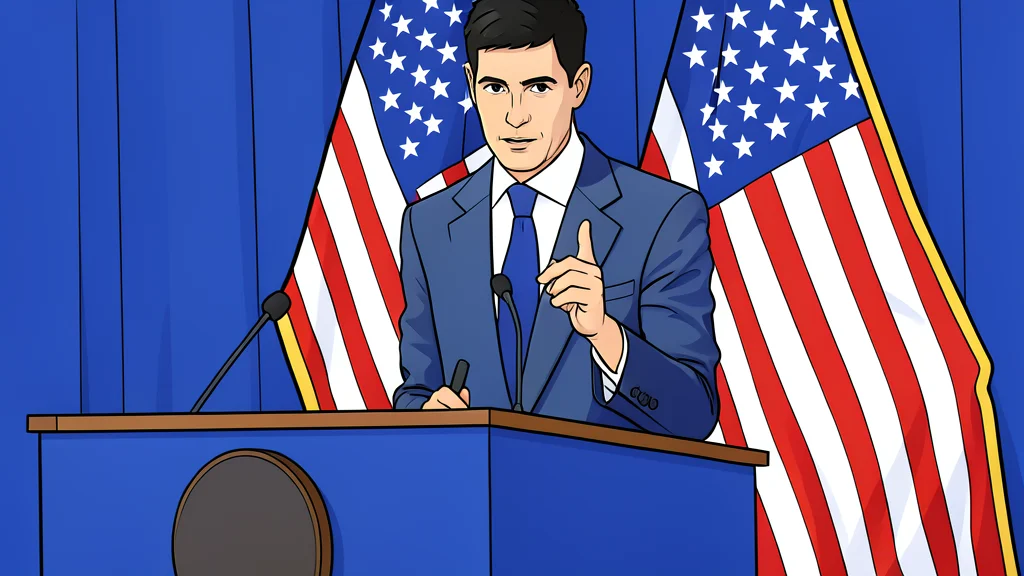
The Federal Reserve increased its benchmark interest rate by 25 basis points on Wednesday, lifting the target range to 3.75% through 4.00%. This marks the first rate hike in three years, reversing a period of easing. The move was widely anticipated, with the CME FedWatch tool showing a 92.4% probability of an increase heading into the announcement. Despite the hike, Fed Chair Kevin Warsh emphasized that the primary focus remains on price stability, noting that inflation has remained elevated for an extended period.
U.S. stock futures reacted positively to the decision in the overnight session following a day of losses. At 10:54 PM EDT, Dow futures climbed 0.62%, the S&P 500 futures gained 0.56%, and Nasdaq-100 futures rose 0.57%. This rebound followed Wednesday's close, where the Dow Jones Industrial Average fell 1.21% to 51,461.90, the S&P 500 dropped 0.45% to 7,551.81, and the Nasdaq Composite slipped 0.01% to 25,978.42. The market’s initial negative reaction likely stemmed from the timing of the hike, which occurred just before a weekend when geopolitical or economic headlines could shift sentiment.
Political Tension Surrounds Monetary Policy
The rate decision has intensified the conflict between the Federal Reserve and the White House. President Donald Trump publicly criticized the central bank, posting on Truth Social that U.S. interest rates should be at 1% or less. He argued that the country is the best credit in the world and that lower rates are necessary to support investment. However, Trump later defended Fed Chair Warsh, acknowledging that the board is 'hostile' and 'political,' suggesting that Warsh’s hands were tied by the committee’s composition.
Market analysts are divided on the implications of this move. Lark Davis suggested that recent economic decisions, including rising oil prices and tariffs, forced the Fed’s hand. Conversely, James E. Thorne of Wellington Altus criticized Warsh’s stance, while Steve Rick of TruStage raised questions about whether this hike is a one-time event or the start of a new tightening cycle. The divergence in opinion highlights the uncertainty surrounding the 'higher-for-longer' narrative that currently dominates market pricing.
Sector Specific Movements And Risks
Individual equities showed mixed performance against the backdrop of the rate hike. SpaceX (SPCX) shares climbed more than 5% at the close and continued to rise overnight, driven by a reiterated 'Overweight' rating from Morgan Stanley. The firm cited the company’s potential to improve AI computing efficiency as a key growth driver. This outperformance suggests that investors are selectively favoring companies with strong growth narratives despite the broader tightening of monetary conditions.
Other stocks in focus include Cadence Design Systems (CADL), Snap Inc. (SNAP), and Fluence Energy (FLNC), which are being watched for their sensitivity to interest rate changes. Higher borrowing costs typically pressure growth-oriented technology and clean energy firms by increasing the cost of capital and valuations. The market will now turn its attention to weekly jobless claims data expected on Thursday, which will provide further insight into the health of the U.S. labor market and the Fed’s future trajectory.
Forward Guidance Remains Vague
Despite the rate hike, the Federal Reserve did not provide explicit forward guidance on the timing of future moves. Chair Warsh indicated that another hike could occur this year, leaving the door open for further tightening if inflation remains stubborn. This ambiguity has led to increased volatility in bond and equity markets, as traders attempt to price in the probability of additional rate increases. The lack of a clear path forward complicates investment strategies, particularly for sectors highly sensitive to discount rates.
The decision to hike rates comes at a time when the U.S. economy shows mixed signals. While inflation remains a concern, the labor market is showing signs of cooling, as evidenced by recent data releases. The Fed’s stance suggests a cautious approach, prioritizing price stability over rapid economic growth. This balance will be critical in determining the long-term impact of the rate hikes on corporate earnings and consumer spending.