US Margin Debt Hits Record $1.45 Trillion

US margin debt reached $1.45 trillion in August, outpacing equity gains and raising risks of forced liquidations.
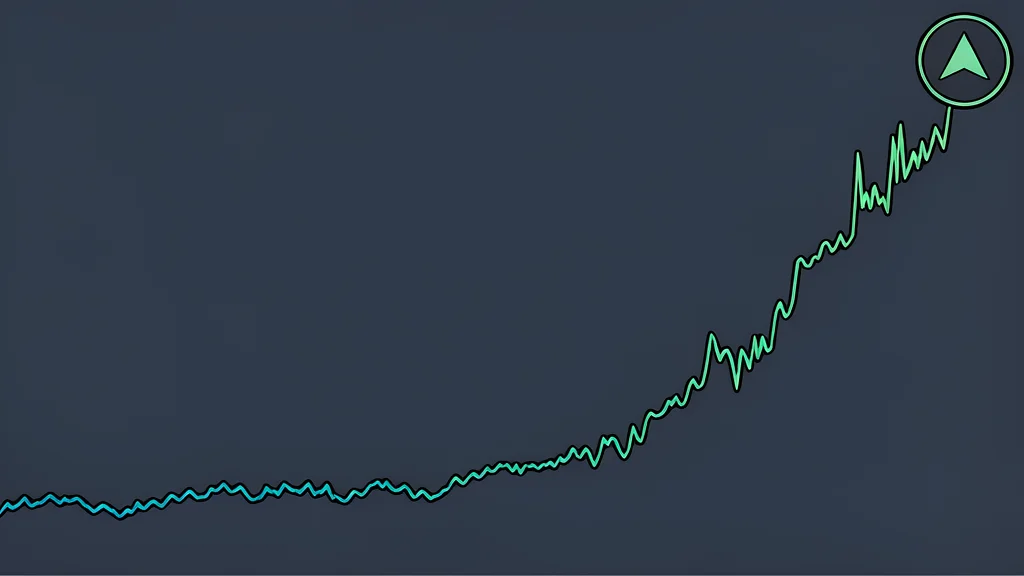
US margin debt reached $1.45 trillion in August, marking the second-highest level on record. This accumulation of borrowed funds exceeds the growth of the S&P 500, which rose 98% over the same period. The disparity indicates that investors have leveraged their positions to a degree that outstrips the actual appreciation of their portfolios.
The leverage ratio now stands at approximately 4.5% of US GDP. This figure surpasses the 2.8% peak observed during the 2000 dot-com bubble and the 3.6% high recorded in 2021. According to data cited by GN stocks/sp500, this level of borrowing creates a structural vulnerability where a routine market correction could trigger widespread forced selling.
Leverage Outpaces Market Growth
Since the end of 2022, margin debt has increased by $847 billion, a 140% rise. This growth rate significantly outpaces the 98% gain in the S&P 500. The data suggests that the AI-driven rally has been fueled disproportionately by debt. Investors have borrowed more aggressively to capture returns, leaving less equity cushion in their accounts compared to previous market cycles.
The August balance was up $228 billion, or 19%, from the start of 2026. This rapid expansion occurred despite the market already being at historical highs. The result is a portfolio structure with higher sensitivity to price declines. When leverage grows faster than the underlying asset value, the risk of margin calls increases substantially.
Mechanics of Forced Liquidation
A margin loan does not distinguish between a temporary dip and a bear market. If account equity falls below maintenance requirements, brokers are authorized to sell securities without prior permission from the investor. This mechanism can create a negative feedback loop where initial selling pressure lowers prices further, triggering additional margin calls and more forced liquidations.
While not all $1.45 trillion will be liquidated simultaneously, the potential for cascading sales is higher than in prior decades. The SEC notes that margin accounts magnify both gains and losses. The current environment leaves less room for error, as a sharp decline could quickly deplete the equity cushions that currently prevent immediate broker intervention.
Historical Context and Risk
The current leverage levels are higher than those seen during the 2008 financial crisis and the 2000 tech bubble. This does not guarantee a crash, but it does mean the market carries more forced-selling risk. The simultaneous need for cash by overleveraged investors is the primary danger, as it can turn a standard correction into a broader sell-off.