Alcoa Positioned for Growth in Atomized Aluminum Powder Market
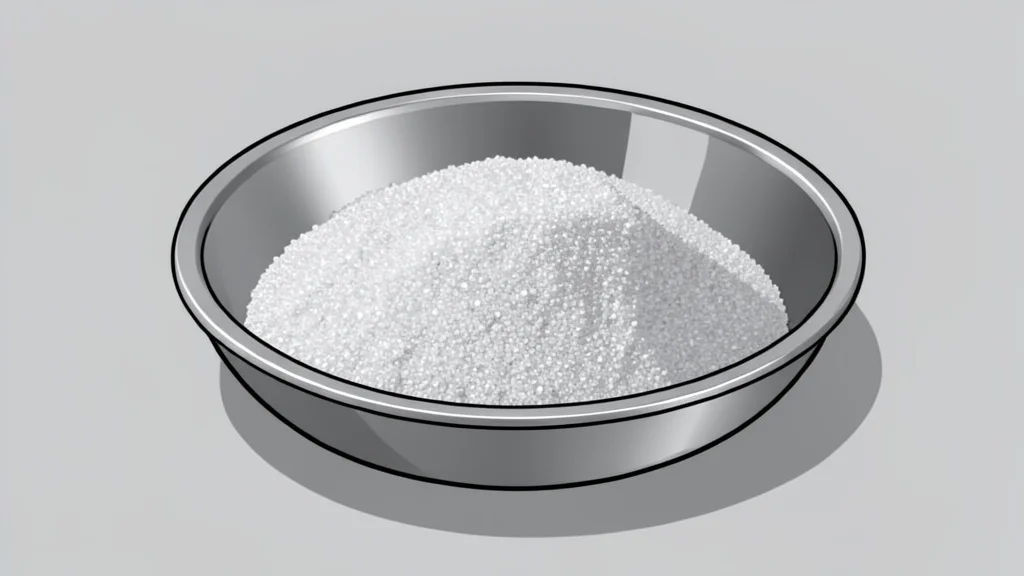
Alcoa Corporation stands to benefit from a projected 4-7% annual expansion in the global atomized aluminum powder market through 2035, driven by critical demand in electronics thermal management and additive manufacturing.
The global market for atomized aluminum powder is entering a sustained expansion phase, with volume growth forecast at a compound annual rate of 4% to 7% between 2026 and 2035. This trajectory is fueled by the material’s essential role in electronics thermal management, conductive pastes, and feedstocks for additive manufacturing. As consumer and industrial devices become more compact and power-dense, manufacturers increasingly require fine, spherical aluminum powders with tight particle size distributions to manage heat dissipation effectively.
Supply dynamics remain structurally skewed, with China estimated to produce 40% to 55% of global output. This concentration leaves North America and Europe dependent on imports for 30% to 40% of their requirements. However, this imbalance creates a high-value opportunity for producers of premium grades. High-tech applications command prices three to five times higher than standard grades, supporting a submarket that is growing at an annual rate of 12% to 18%.
Electronics Drive Core Demand Growth
The electronics and semiconductor sectors represent the largest incremental demand drivers. Investments in semiconductor fabrication, 5G infrastructure, and electric vehicles necessitate advanced thermal management solutions. Atomized aluminum powder serves as a critical filler in thermal interface materials and conductive pastes, enabling efficient heat transfer in compact hardware. This demand is further amplified by the aerospace and medical sectors, which are increasingly adopting binder jetting and laser powder bed fusion technologies that require high sphericity and purity.
Supply Constraints Sustain Premium Pricing
Constraints in high-end inert-gas-atomized production lines are limiting the availability of premium grades, thereby supporting continued price premiums. Raw material price volatility, which can swing 20% to 40% within a single year, presents challenges for contract negotiations. To mitigate these risks, industry participants are increasingly relying on long-term agreements and recycling initiatives. Closed-loop recycling is expected to reduce demand for virgin material by 5% to 10% in certain regions by 2030, reshaping the supply chain landscape.
Market Outlook Through 2035
The baseline scenario assumes no major global recessions and a continued shift toward electrification and miniaturization. The market index, with 2025 as the base year at 100, is projected to reach 145 by 2035. While regulatory hurdles and qualification cycles of six to 12 months for new suppliers may slow adoption in critical applications, the overall outlook remains robust. Alcoa Corporation, as an integrated producer with advanced atomization technology, is well-positioned to capture value in this high-performance segment.