Belledune Plant Shifts to Wood Pellets by 2029
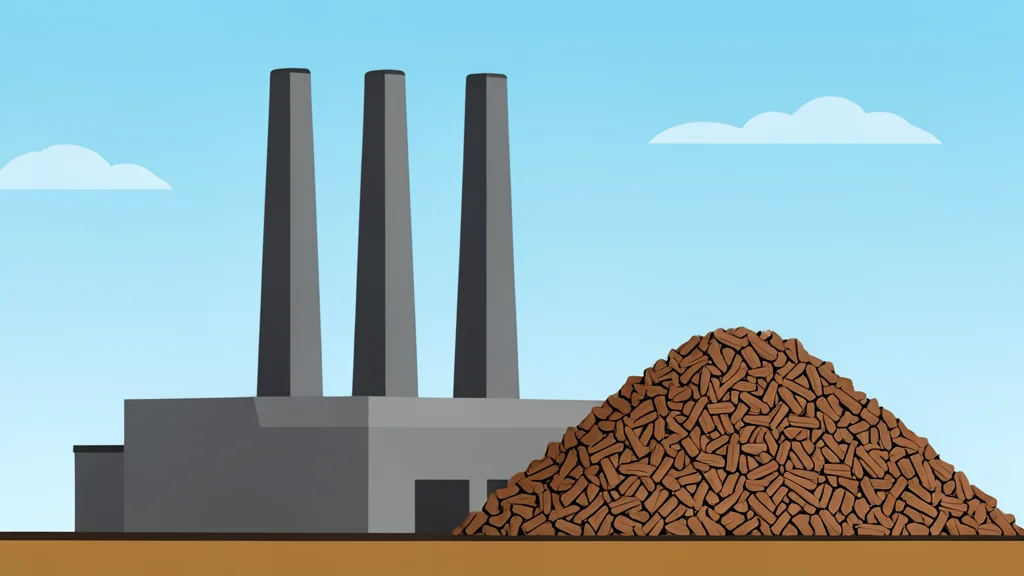
N.B. Power is converting its Belledune coal station to wood and hemp biomass, a $65 million investment that cuts carbon emissions by 70% and secures local fuel supply.
N.B. Power has finalized agreements to transition the Belledune generating station from coal to wood and hemp biomass pellets. The utility announced the move on Thursday, citing federal mandates that require the phase-out of coal generation by 2030. By switching fuel sources, the plant will reduce its carbon dioxide emissions by 70 percent, effectively transforming a high-pollution asset into a renewable energy generator.
The conversion is estimated to cost $65 million. While N.B. Power stated that pellet costs are higher than coal, the company identified this as the least-cost option for meeting the 2030 deadline. The utility emphasized that sourcing fuel domestically protects the plant’s operations from global market volatility, ensuring a stable supply chain for the province's power grid.
Biomass supply chain secured
N.B. Power signed contracts with Canadian producers to supply the necessary biomass pellets. One supplier is a new venture planned for a vacant building at the Port of Belledune. Partners include the Pabineau First Nation, Eel River Bar First Nation, Arbec Forest Products, and Quebec-based Airex Energy. According to Michel Gagnon, CEO of Airex Energy, the pellets will be produced from forest byproducts, or slash, rather than newly cut trees.
This approach utilizes wood left behind by forestry operations, which Gagnon noted contributes to wildfire risks. By processing this material, the supply chain turns a waste product into a viable fuel source. The agreement ensures that the plant’s fuel requirements are met by regional producers, reducing logistical dependencies and supporting local industrial activity.
Economic impact and employment
The fuel transition is expected to generate 700 to 1,000 jobs in the surrounding community. Currently, the Belledune plant employs 120 to 130 staff members, supported by 30 to 40 regular contractors. N.B. Power President Lori Clark highlighted that the project strengthens the local economy by creating new roles in biomass production and logistics.
Premier Susan Holt stated that the shift to cleaner energy makes the region more attractive for investment in port expansion, defense, and minerals. She emphasized that a diverse generation mix, including nuclear, hydro, wind, solar, biomass, and natural gas, allows the province to use the least-cost power available at any given time. This strategy supports both affordability and reliability for consumers.
Timeline for full conversion
Jeff Yeomans, director of coal transition at N.B. Power, indicated that the plant must build an inventory of pellets before full operation. Contracts are signed, and a federal contribution agreement is in place. The project scope is currently being planned, with the goal of completing the conversion by November 2029. This timeline allows for the necessary infrastructure adjustments and supply chain stabilization.
The Belledune plant remains a critical component of the provincial power system, particularly as demand increases. By extending its operational life beyond 2030 with a new fuel source, N.B. Power ensures continued grid stability. The transition represents a significant shift in the utility’s asset strategy, prioritizing local fuel security and environmental compliance.