Critical Metals Plans $2.2B Romanian Refinery for Rare Earths

Critical Metals (Nasdaq: CRML) announced a preliminary study for a Romanian joint venture refinery, projecting $2.2 billion in annual revenue by processing eudialyte concentrate from its Tanbreez project in Greenland.
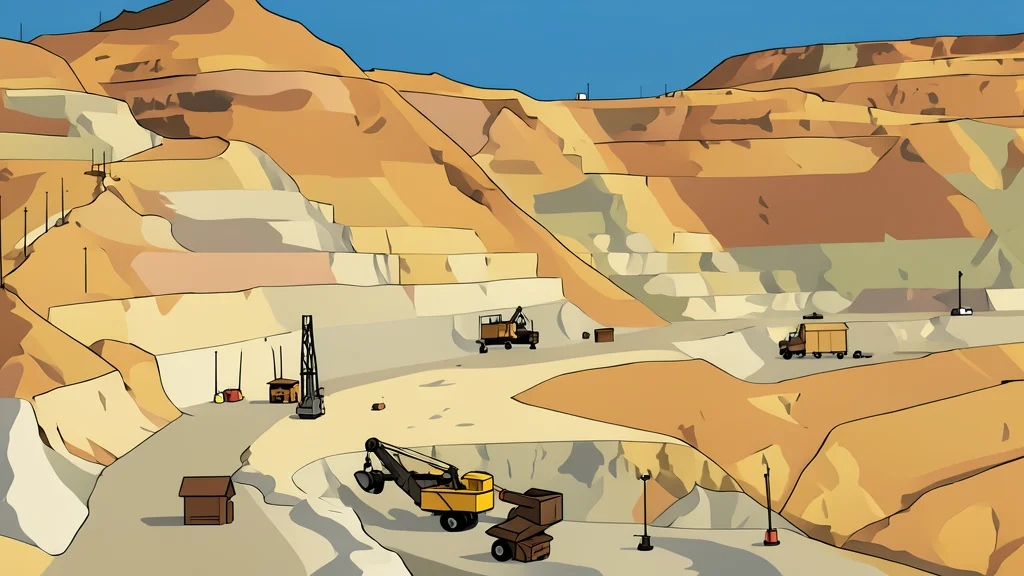
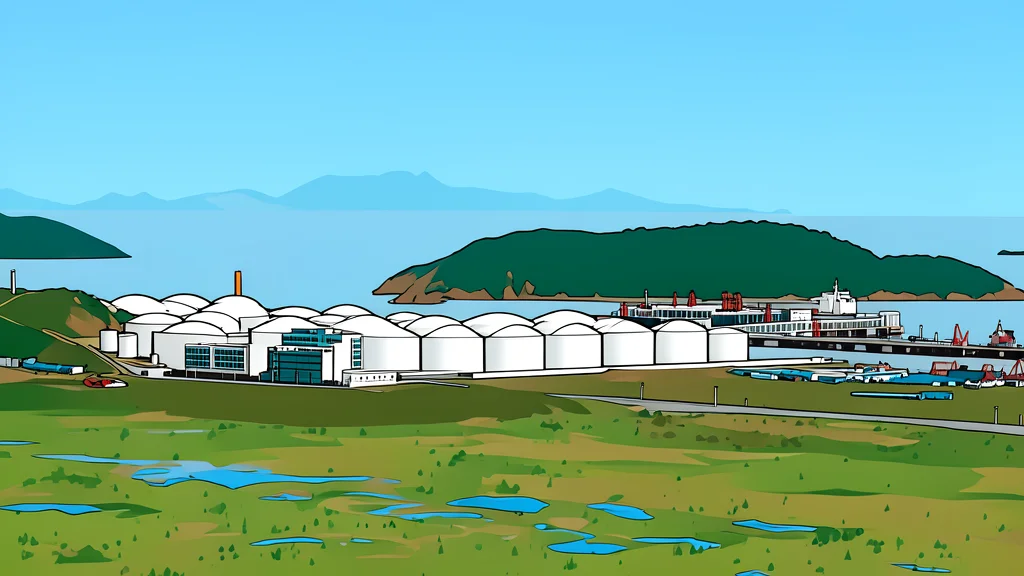
Critical Metals (Nasdaq: CRML) has outlined a plan to construct a processing facility in Romania capable of handling up to 100,000 tons of eudialyte concentrate annually. The company stated that its patent-pending metallurgical process successfully overcomes the traditional silica gel formation issue associated with eudialyte ores. This technical breakthrough allows for the recovery of 19 ultra-high-purity rare earth and critical metal products, fundamentally altering the economic viability of the Tanbreez project in southern Greenland.
The proposed joint venture is designed to produce approximately 27,943 tons of rare earth and critical metal products per year, primarily in the form of chloride salts. Critical Metals projects that this operation will generate approximately $2.2 billion in annual revenue before accounting for operating costs, taxes, and capital recovery. The financial model assumes a preliminary capital expenditure of $1.85 billion and indicates a net present value of $4.5 billion over ten years, with an internal rate of return estimated at 55% and a payback period of roughly two years.
Technical Process Overcomes Silica Barriers
Historically, eudialyte processing has been hindered by the formation of unfilterable silica gel during dissolution. Critical Metals describes its new multistage, mixed-acid leach process as a solution to this specific metallurgical challenge. The system operates at elevated temperatures to dissolve more than 99% of the eudialyte concentrate. This approach enables cascading recovery steps that separate high-purity salts for industrial, aerospace, and defense applications, while minimizing the tailings stream to approximately 1% of the feed tonnage.
Silica By-Products Drive Revenue Streams
A significant portion of the projected revenue stems from the recovery of materials traditionally discarded as waste. The facility is designed to produce 25,670 tons of high-purity silicon dioxide powder annually. Based on current market pricing models, this silica by-product alone could contribute approximately $600 million to annual revenue. Additionally, the silicate recovery system is projected to save $400 million to $600 million per year in acid costs, effectively transforming a conventional waste stream into a primary financial contributor alongside key drivers like niobium, dysprosium, and tantalum products.
Hafnium Production Targets Aerospace Demand
The refinery plan includes specific production targets for high-purity hafnium, a metal critical for advanced semiconductor manufacturing and aerospace applications. Critical Metals projects the production of 50 to 70 tons of high-purity hafnium metal annually during the first five years of operation. Concurrently, the facility aims to produce 20 to 30 tons of high-purity hafnium chloride per year. These projections are contingent upon further engineering validation, metallurgical testing, and final investment decisions, but they underscore the company's strategy to secure supply chains for high-value critical metals outside of China-dominated markets, as highlighted in recent GN auto stocks and rare earths materials analyses.