Dalaroo Maps Blue Lagoon Structure with 354 Measurements
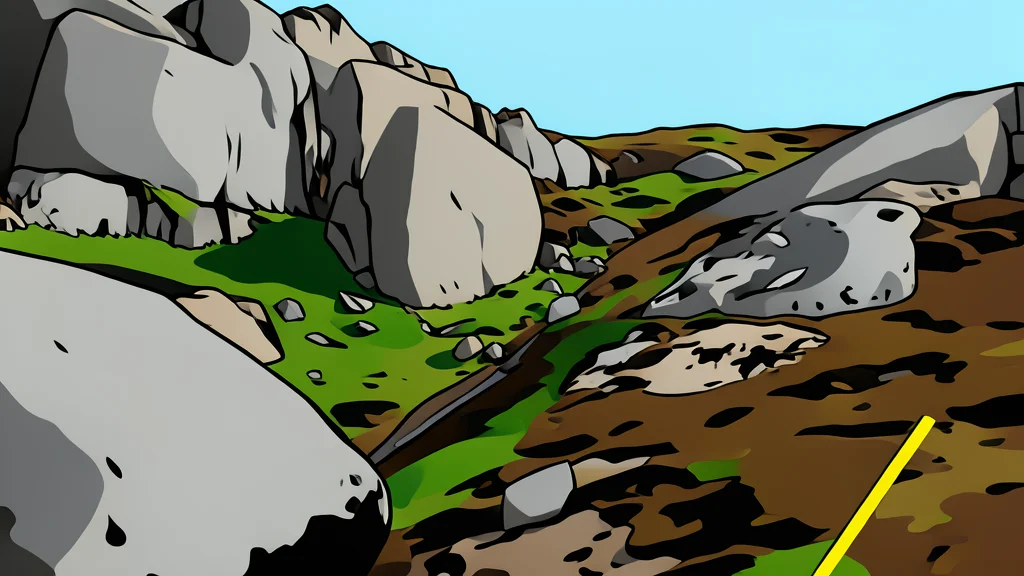
Dalaroo Metals defines the structural architecture of its Greenland rare earth project using 354 measurements and over 200 new samples.
Key points
- Dalaroo Metals collected 354 structural measurements to define the fault architecture controlling mineralisation at its Blue Lagoon project.
- The mapping identified the weathered Larvikite as the primary source of rare earth elements, with material transported to lower basins.
- Over 200 new samples have been sent for assay, with the next step being the integration of structural and geochemical data.
Dalaroo Metals has completed a detailed geological mapping program at its 100% owned Blue Lagoon rare earth elements project in southern Greenland. The initiative focused on defining the structural architecture that controls mineralisation, collecting 354 structural measurements to identify consistent orientations for quartz veins and pegmatites. This work establishes a geological framework that aligns with the structural setting of Amaroq Minerals’ adjacent Ilua discovery, which features five kilometres of strike.
Management states that the mapping identified a dominant fault set aligning with the elliptical shape of the Blue Lagoon intrusive complex. A secondary fault set creates a widespread structural network believed to have acted as plumbing for mineral-rich fluids. The program also mapped extensive alkaline intrusive and altered rocks, including granites, syenites, and pegmatites, indicating a large, chemically evolved intrusive system capable of concentrating rare earth elements.
Source-to-sink model gains geological support
The new data strengthens Dalaroo’s source-to-sink exploration model by identifying the heavily weathered Larvikite as the primary source of rare earth mineralisation. This coarse-grained igneous rock sits at the centre of the complex, enclosed by a ring of harder Nunarssuit Syenite that forms the surrounding high ridges. Weathering of these elevated intrusive rocks is believed to have transported material into lower-lying basins around the lagoon, where natural traps allowed sediments to accumulate and concentrate mineralisation.
The mapping program documented multiple generations of intrusive rocks, including dolerite dykes forming deep valleys and extensive shallow-dipping aplite sills traceable for several kilometres. Two sets of amazonite-bearing pegmatites were also identified, providing additional prospective corridors for rare earth minerals. Chief Executive Officer John Morgan noted that the collection of 354 structural measurements allows the company to move beyond identifying prospective rocks to defining the architecture that controlled the emplacement of rare earth-bearing pegmatites and hydrothermal fluids.
Sample assays and target integration ahead
In parallel with the structural mapping, Dalaroo collected more than 200 rock-chip, stream-sediment, and surface-sediment samples. These specimens have been dispatched for multi-element assay analysis to identify the principal source-to-sink pathways into the Blue Lagoon basin. The next phase involves integrating the new structural data with existing geochemical, geophysical, and bathymetric datasets to zero in on priority targets for further exploration.
This geological progress occurs as southern Greenland becomes a strategically vital jurisdiction for critical minerals, with Western nations seeking to secure rare earths supply chains outside of traditional producing countries. The region already hosts several significant projects, and Dalaroo’s defined structural framework positions the Blue Lagoon project as a key asset in this emerging supply chain. As reported by SMH.com.au, the company’s detailed blueprint provides a clearer path for interpreting geochemical results and advancing the project toward development.