Energy Fuels Targets 3,600t Rare Earth Capacity Outside China
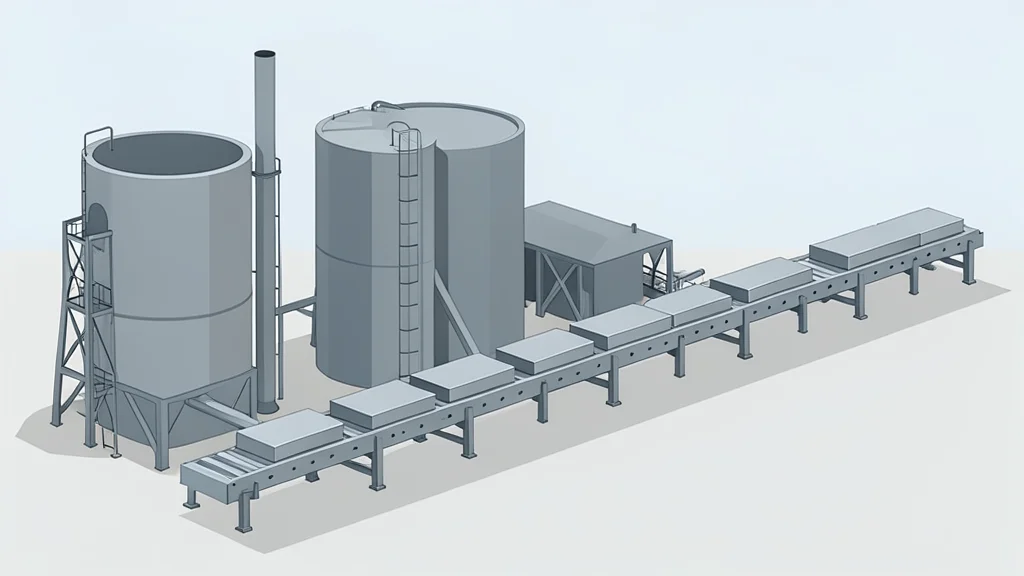
Energy Fuels aims to expand Ochang plant output to 3,600 tonnes by late 2026, while USA Rare Earth reports 2,500 tonnes capacity in the UK.
Key points
- Energy Fuels' Korean plant expands from 1,300 to 3,600 tonnes per year of NdFeB alloy capacity by late 2026.
- USA Rare Earth's UK facility reports 2,500 tonnes per year capacity and completed its first commercial yttrium pour in April 2026.
- Japan's Santoku and Shin-Etsu operate metal production sites, though specific tonnage data for new refineries remains undisclosed.
Global rare earth metal production outside China remains concentrated in a small number of operational sites as of September 2026. The supply chain is thinner than headline figures suggest, with actual metal and alloy output significantly lower than announced capacity or oxide separation volumes.
Key operators include Energy Fuels in South Korea and USA Rare Earth in the United Kingdom. These facilities represent the primary sources of non-Chinese rare earth metal, serving distinct markets for magnet alloys and critical minerals.
Korean facility expands alloy capacity
Energy Fuels Inc. acquired the Korean Metals Plant in Ochang, South Korea, through its subsidiary Strategic Materials Ltd. The facility currently processes 1,300 tonnes per year of NdFeB alloy and is expanding to 3,600 tonnes per year, with commissioning targeted for late 2026.
In the second quarter of 2026, the plant dispatched approximately 45 tonnes of NdFeB alloy and NdPr metal. This output demonstrates that nameplate capacity does not equate to immediate production, as the site remains in an expansion phase rather than operating at full capacity.
UK site processes recycled inputs
Less Common Metals in Cheshire, United Kingdom, operates under USA Rare Earth Inc. The facility converts oxides and recycled materials into rare earth metals and master alloys, including products containing neodymium, praseodymium, dysprosium, and terbium.
USA Rare Earth reports a total capacity of roughly 2,500 tonnes per year for rare earth and critical mineral metals and alloys. The company conducted its first commercial pour of yttrium metal in April 2026, marking a specific production milestone for the site.
Japanese producers maintain legacy operations
Japan hosts several operational facilities, including Santoku and Shin-Etsu Chemical, which produce rare earth metals and magnet alloys. Santoku, now part of Proterial Magnetics, commercialized molten salt electrolysis for rare earth metals but does not disclose detailed tonnage breakdowns.
Shin-Etsu Chemical announced a new domestic rare earth refinery in June 2026 to secure supply for its magnet products. However, specific capacity and opening dates for this new facility have not been disclosed, so it is not yet included in current metal production figures. According to investornews.com, the distinction between announced capacity and actual production remains critical for assessing true global supply.