Northern Rare Earth Partners with University for Hydrogen Storage
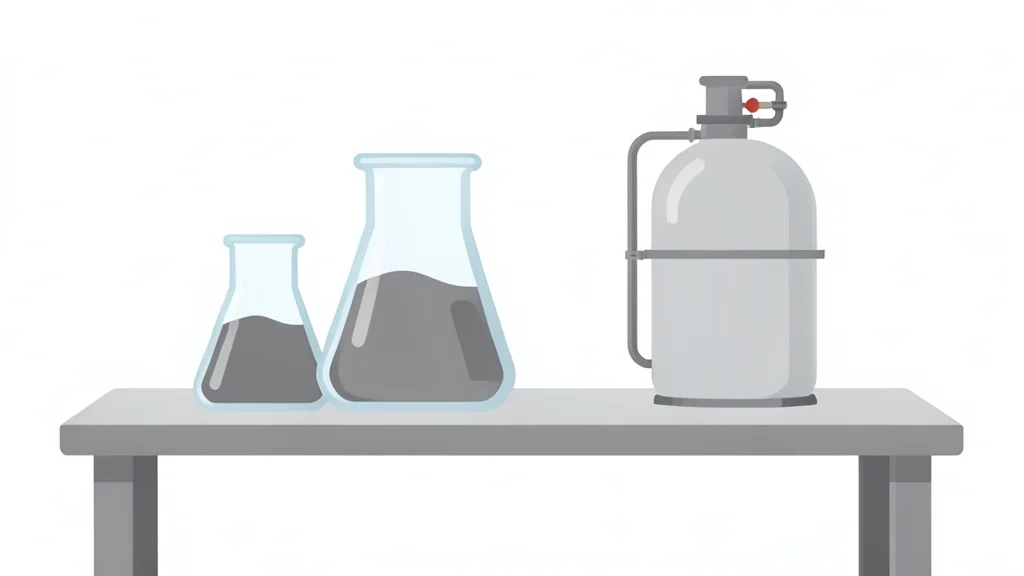
China Northern Rare Earth and Inner Mongolia University are collaborating to commercialize solid-state hydrogen storage using lanthanum alloys.
Key points
- Northern Rare Earth and Inner Mongolia University are collaborating to commercialize solid-state hydrogen storage using lanthanum alloys.
- The partnership addresses technical bottlenecks in hydrogen absorption and release, offering an alternative to high-pressure storage methods.
- This initiative supports China's strategy to reduce oil import dependence and leverages its rare-earth ecosystem for advanced materials R&D.
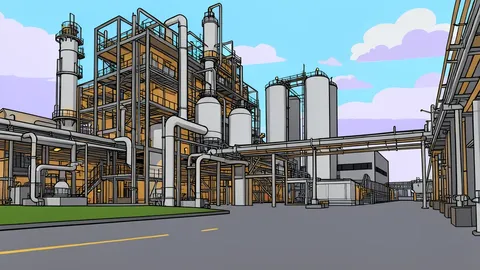
China Northern Rare Earth Group High-Tech (SHA: 600111) has initiated a direct technical partnership with Inner Mongolia University to address barriers in solid-state hydrogen storage. The collaboration focuses on translating laboratory research into industrial applications by leveraging the company's existing equipment and production capabilities at its Xi'ao Ke facility.
According to reporting by Rare Earth Exchanges, the initiative aims to resolve specific technical bottlenecks in the absorption and release of hydrogen using rare-earth alloys. This effort aligns with Beijing's broader strategy to utilize its rare-earth ecosystem for advanced materials R&D, moving beyond simple extraction and separation toward downstream energy applications.
Lanthanum Alloys Offer Storage Alternative
The core technical premise involves lanthanum-based alloys that can absorb and release hydrogen, providing a potential alternative to high-pressure gas or cryogenic liquid storage. While this solid-state approach mitigates certain safety and infrastructure risks, the partnership acknowledges that significant barriers remain, including high costs, weight constraints, heat management, and cycling performance limitations.
Northern Rare Earth currently produces large volumes of light rare earths, and developing new uses for these elements could help convert potential oversupply into downstream demand. The university delegation, led by Liu Jian, dean of the School of Chemical Engineering, inspected industrial storage equipment to identify pathways for moving research from the lab to commercial scale.
Strategic Response to Oil Import Vulnerability
This research initiative intersects with China's need to reduce reliance on crude oil imports. In 2024, China imported approximately 11.1 million barrels per day while producing only 4.3 million barrels domestically, creating exposure to geopolitical chokepoints and shipping disruptions. Hydrogen is being promoted as part of a diversification strategy to mitigate these energy security risks.
In 2026, three Chinese ministries launched pilot programs intended to connect hydrogen production, storage, and end-use sectors. The collaboration between the university and the producer is a direct response to these policy goals, aiming to overcome the commercialization gaps that have previously hindered the widespread adoption of hydrogen infrastructure.
Industrial Model Connects Science and Production
The significance of this meeting lies in the direct link between academic research and an established industrial producer. Rather than announcing a breakthrough, the partnership signals a structured approach to integrating university science with existing rare-earth processing capabilities. This model allows for immediate testing of technical hypotheses within a real-world production environment, accelerating the path to commercial viability.