RAPTOR Project Aims to Cut Critical Mineral Exploration Time
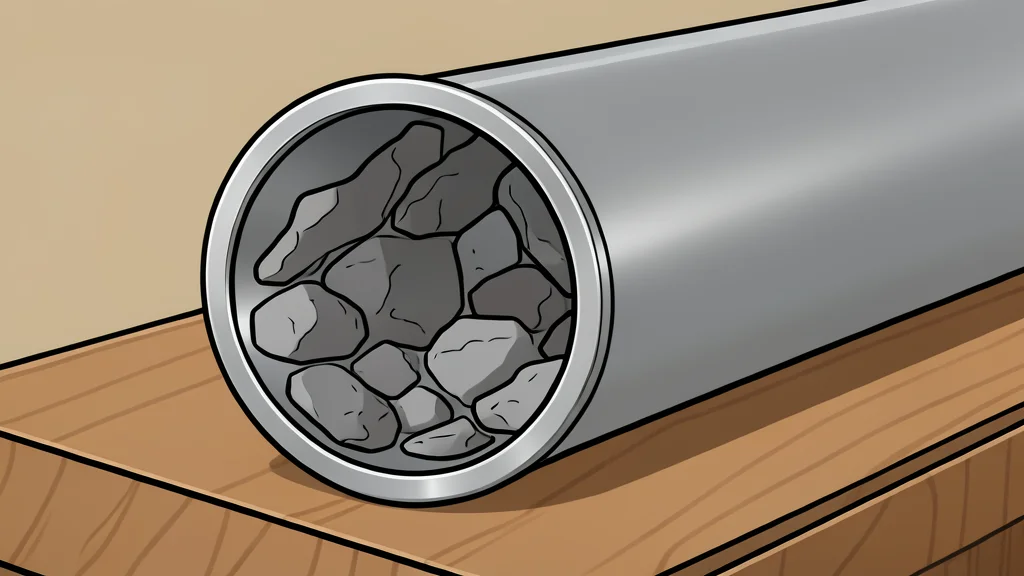
A $3.5 million ARPA-E funded initiative led by Texas A&M seeks to replace multi-year core analysis with real-time AI-driven drilling assessments for rare earth elements.
Texas A&M University has secured $3.5 million in federal funding to accelerate the identification of domestic critical mineral deposits. The project, known as RAPTOR, addresses the current inefficiency in U.S. mineral exploration, where reliance on imported materials creates supply chain vulnerabilities for batteries, defense systems, and renewable energy infrastructure. By integrating advanced drilling mechanics with immediate data analysis, the team aims to reduce the multi-year lag between geological sampling and commercial viability decisions.
The initiative is a joint effort between Texas A&M, the University of Texas at Austin, and industry partners, all working under the DOE’s ARPA-E ROCKS program. The core objective is to develop a mobile drilling system that provides instant feedback on rock composition. This approach seeks to eliminate the costly and time-consuming process of transporting thousands of feet of core samples to off-site laboratories, thereby allowing exploration teams to make immediate strategic adjustments at the drill site.
Real-time sensing replaces lab assays
Traditional exploration methods require drilling hundreds of shallow boreholes and waiting months for laboratory results to determine if a site holds sufficient concentrations of rare earth elements. The RAPTOR system replaces this static model with a dynamic, on-site analytical process. As cuttings reach the surface, the rig’s integrated sensing technologies and machine learning algorithms identify specific minerals and elements in real time. This continuous data stream allows geologists to evaluate deposit quality instantly rather than relying on delayed external reports.
The system utilizes rotary percussive drilling technology, which combines standard rotary motion with a hammering action to penetrate rock more efficiently than conventional methods. By coupling this faster mechanical approach with immediate chemical analysis, the project aims to significantly lower the cost per unit of geological data. This efficiency is critical for identifying high-concentration deposits that justify the capital expenditure required for full-scale mining operations.
Strategic focus on domestic supply chains
The United States currently depends heavily on imported critical minerals, exposing the industrial sector to global logistical delays and geopolitical risks. The RAPTOR project specifically targets rare earth elements and other critical materials essential for semiconductor manufacturing, electric vehicle motors, and wind turbine components. By accelerating the discovery process, the initiative supports a broader national priority to secure independent access to these foundational industrial inputs.
While the project is funded as a research and development effort, its potential impact on the mining sector is substantial. Reducing the time frame for exploration from years to months could drastically improve the return on investment for prospecting companies. The integration of artificial intelligence in the decision-making loop ensures that drilling resources are directed only toward promising geological formations, minimizing wasted effort on low-yield sites.
Collaborative R&D framework for mining
The project structure reflects a collaborative approach to solving complex engineering challenges in the resource sector. By combining academic research from Texas A&M’s petroleum engineering department with industry partners, the team ensures that the developed technology is grounded in practical field applications. This partnership model is designed to bridge the gap between theoretical drilling advancements and the operational requirements of commercial mineral exploration.
The RAPTOR system represents a shift toward more agile and data-driven exploration practices. Unlike static mining operations, the mobile nature of the coiled-tubing rig allows for rapid deployment across diverse geological landscapes. This flexibility, combined with the precision of real-time AI analysis, positions the project as a key development in the effort to make domestic critical mineral sourcing more competitive and reliable for the US industrial base.