Saudi Arabia Confirms 110 Million Ton Rare Earth Find in Medina
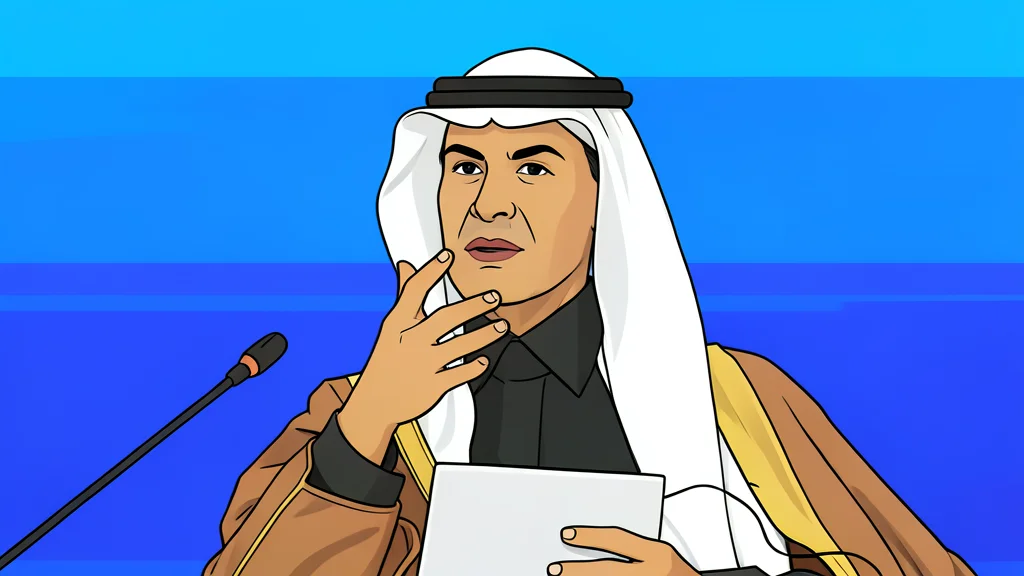
Saudi Energy Minister Prince Abdulaziz bin Salman announced a 110 million ton deposit of rare earths and uranium in Medina, signaling a pivot toward mineral exports.
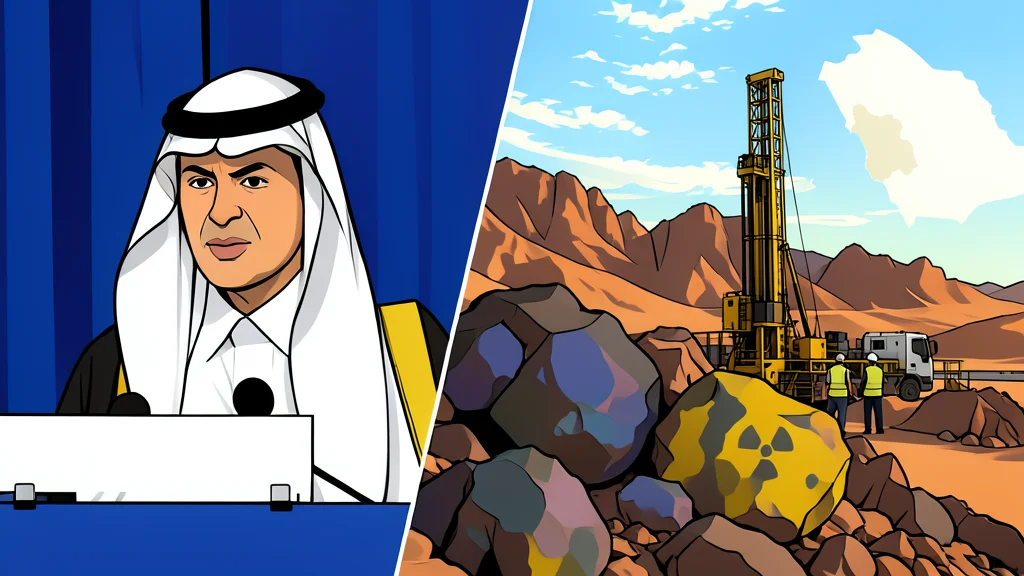
Saudi Arabia has identified a substantial mineral reserve in the Medina region, totaling 110 million tons of raw materials with uranium concentrations. Prince Abdulaziz bin Salman, the Kingdom’s Energy Minister, disclosed the discovery during his address at the International Atomic Energy Agency General Conference in Vienna. The announcement marks a significant expansion of the country's natural resource portfolio beyond hydrocarbons, positioning Saudi Arabia as a key player in the global critical minerals market.
The minister emphasized that the Kingdom is actively working to invest in its diverse energy and mineral assets to support economic growth. By diversifying its resource base, Saudi Arabia aims to enhance supply security and reduce reliance on oil revenues. This strategic shift aligns with broader national goals to develop a more resilient industrial base and attract foreign investment in mining and processing infrastructure.
Strategic Minerals Investment
The discovery of rare earths and uranium in Medina adds new dimensions to Saudi Arabia’s economic diversification strategy. The Energy Minister stated that leveraging these resources is essential for supporting long-term economic growth. The Kingdom has solidified its position as an active partner in global energy markets, and this mineral find further strengthens its bargaining power in international trade negotiations.
Nuclear Transparency and Cooperation
Prince Abdulaziz also addressed the Kingdom’s civil nuclear program, referencing the recent landmark agreement with the United States. He clarified that the deal is governed by the 123 Agreement, includes special voluntary safeguard arrangements, and is subject to IAEA oversight. This framework is designed to ensure that nuclear activities remain transparent and compliant with international standards.
Rejection of Isolationist Models
The minister pushed back on critics who have raised concerns about Saudi Arabia’s nuclear ambitions. He explicitly rejected the notion of developing a nuclear program in isolation or through secretive activities, a description that appears to reference the underground nuclear facilities of Iran. Instead, the Kingdom emphasizes an approach founded on transparency, openness, and international cooperation, distinguishing its strategy from opaque regional precedents.