Saudi Arabia Identifies 110 Million Tonnes of Rare Earth and Uranium Ore
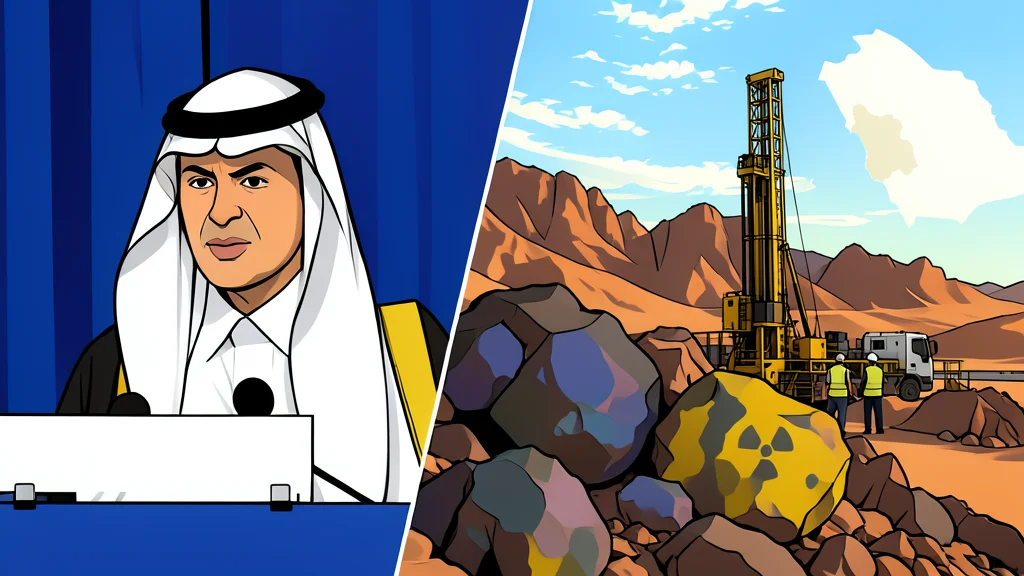
Jabal Sayid exploration yields massive mineral reserves, diversifying Saudi Arabia's economic base beyond hydrocarbons.
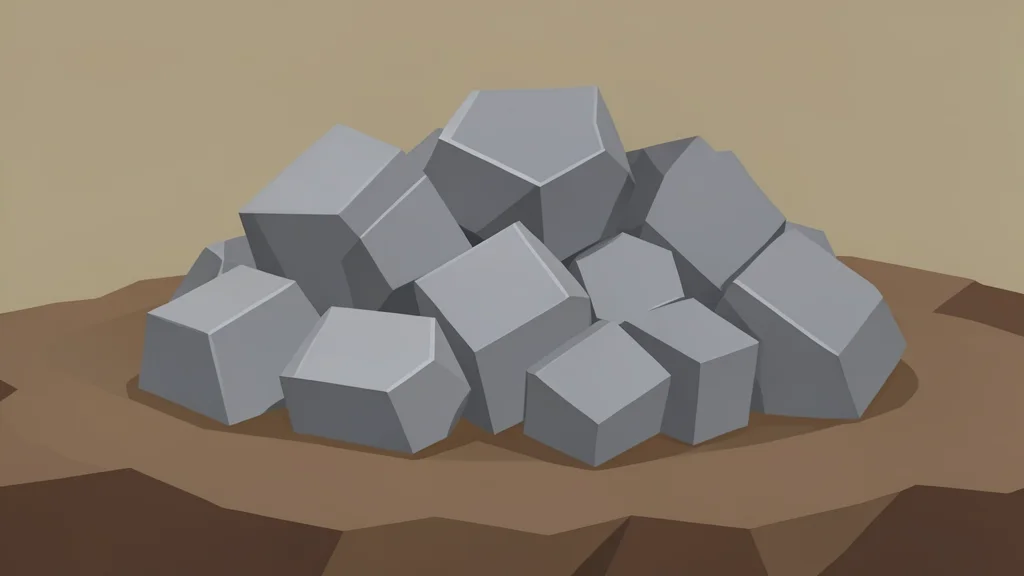
Saudi Arabia has confirmed the identification of approximately 110 million tonnes of ore at the Jabal Sayid project in Madinah. The deposit contains high concentrations of heavy rare earth elements and promising levels of uranium, marking a significant expansion of the kingdom’s non-energy mineral resources.
These geological findings support Riyadh’s Vision 2030 strategy to reduce reliance on crude oil exports. By developing a domestic supply of critical raw materials, the state aims to enhance its position in global supply chains for industries ranging from electronics to nuclear energy.
Jabal Sayid Ore Composition Details
Exploration studies conducted at the site revealed the specific mineral breakdown of the 110 million tonne estimate. The ore is characterized by high concentrations of rare earth minerals, with a particular emphasis on heavy elements that are essential for advanced technological applications.
In addition to rare earths, the geological surveys identified promising concentrations of uranium. This dual-resource profile positions the Jabal Sayid project as a key asset for diversifying Saudi Arabia’s industrial output and reducing import dependency for critical inputs.
Global Rare Earth Market Context
The discovery occurs against a backdrop of concentrated global supply, with China holding the largest identified rare earth reserves. According to US Geological Survey data cited in recent commodity summaries, China’s reserves are estimated at 44 million metric tonnes of rare earth oxide equivalent, representing roughly 40% of the global total.
Saudi Arabia’s new reserves offer a potential alternative source in a market dominated by a single supplier. This development aligns with broader geopolitical efforts to secure stable supply chains for critical minerals, reducing vulnerability to regional concentration risks.
Uranium Resource Global Distribution
The uranium component of the Jabal Sayid find adds to a globally distributed resource base. Australia currently leads with the largest identified recoverable uranium resources, accounting for approximately 28% of the global total, with an estimated 1.67 million tonnes.
Other major holders include Kazakhstan with 814,000 tonnes and Canada with 582,000 tonnes. The addition of Saudi Arabian uranium resources contributes to a more diversified global inventory, supporting nuclear energy production needs across multiple continents.