Tanbreez: The Critical Minerals Play that Could Disrupt China's Grip
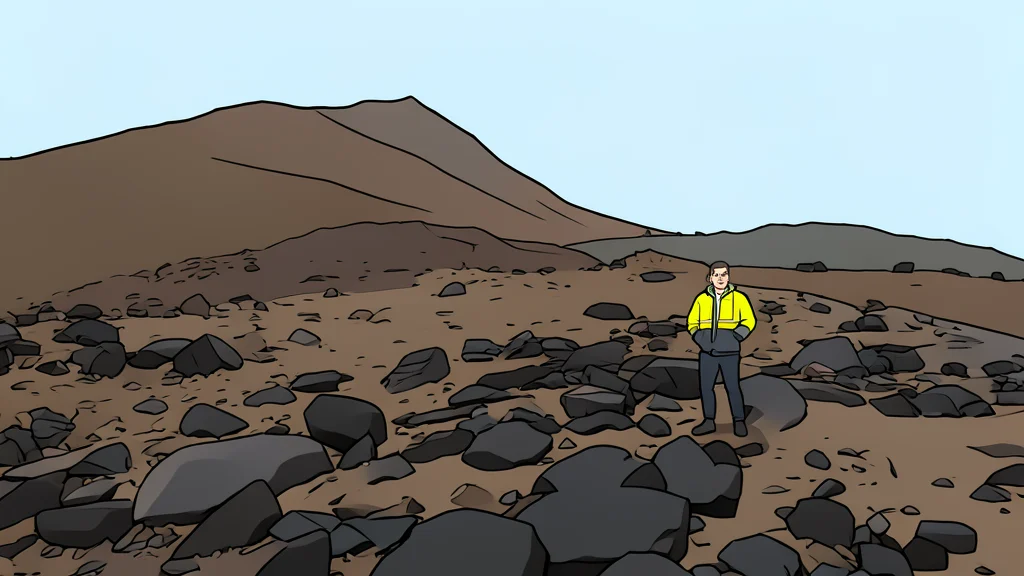
A 4.7 billion tonne deposit in Greenland, named for its tantalum, niobium, and rare earth content, is emerging as a strategic pivot point for Western supply chains.
The Tanbreez project in Greenland represents a potential structural break in the global supply of critical minerals. Discovered in 1992 by geologist Greg Barnes, the deposit contains an estimated 4.7 billion tonnes of rock rich in rare earth elements, tantalum, niobium, and zirconium. The name Tanbreez is derived directly from these chemical symbols, highlighting the asset’s multi-commodity nature. This concentration of high-value minerals makes it a significant counterweight to the current dominance of Chinese processing and mining.
Tony Sage, the former owner of the Perth Glory soccer team, is now leading the development efforts for this asset. The project is positioned as a strategic response to geopolitical risks in mineral supply. Sage’s team is tasked with extracting these materials efficiently, a challenge complicated by the remote Arctic location and the political volatility surrounding Greenland. The deposit’s purity and scale suggest it could significantly alter the balance of power in the critical minerals market.
Geological Composition Drives Strategic Value
The primary geological carrier of the minerals at Tanbreez is eudialyte, a silicate material identified by its distinct color change from red to brown when wet. This specific mineralogy allows for the extraction of elements critical to advanced electronics and renewable energy technologies. The diversity of the deposit means it is not limited to a single commodity, reducing the project’s exposure to price volatility in any one metal. This broad spectrum of resources enhances its appeal to investors seeking diversified exposure to the critical minerals sector.
The strategic importance of Tanbreez is further underscored by its potential to disrupt existing supply chains. By offering a large, high-purity source of rare earths and other critical metals outside of China, the project addresses a key vulnerability in Western industrial policy. The ability to produce these materials domestically or in allied territories could reduce reliance on adversarial suppliers. This shift has implications for national security and economic resilience, making the project a focal point for government and industry leaders alike.
Political and Geographic Challenges
Developing the Tanbreez mine faces significant hurdles due to its location in Greenland, a territory with a harsh climate and limited infrastructure. The remote setting requires substantial investment in logistics and environmental management, which could impact the project’s timeline and cost structure. Additionally, the political landscape is complex, with Greenland being a self-governing territory of Denmark and a subject of interest for the United States. This geopolitical tension adds a layer of risk that must be carefully navigated by the project’s developers.
The involvement of prominent figures like Tony Sage and Malcolm Day, who has a background in both mining and business, suggests a concerted effort to bring the project to fruition. Their experience in promoting and managing large-scale ventures provides a foundation for addressing the operational and financial challenges ahead. However, the success of Tanbreez will depend on its ability to overcome the inherent difficulties of mining in such a remote and politically sensitive region. The project’s progress will be closely watched as a test case for Western efforts to secure independent access to critical minerals.
Impact on Global Mineral Markets
If successfully developed, Tanbreez could have a profound impact on the pricing and availability of rare earth elements and other critical metals. The introduction of a large new supply source could exert downward pressure on prices, benefiting manufacturers and end-users. This dynamic could also shift the competitive landscape, forcing existing producers to improve efficiency and reduce costs. The project’s potential to break China’s stranglehold on critical minerals makes it a significant factor in the global trade of these resources.
The strategic significance of Tanbreez is further highlighted by the interest of government officials, including a personal invitation to brief the President’s advisers in the United States. This level of attention underscores the project’s importance to national security and economic policy. As the world increasingly relies on critical minerals for technological advancement, the ability to secure reliable and diverse supply sources becomes a critical priority. Tanbreez stands as a key asset in this effort, with its development closely tied to broader geopolitical and economic trends.